
How did cannabis become a consensus in Israel?

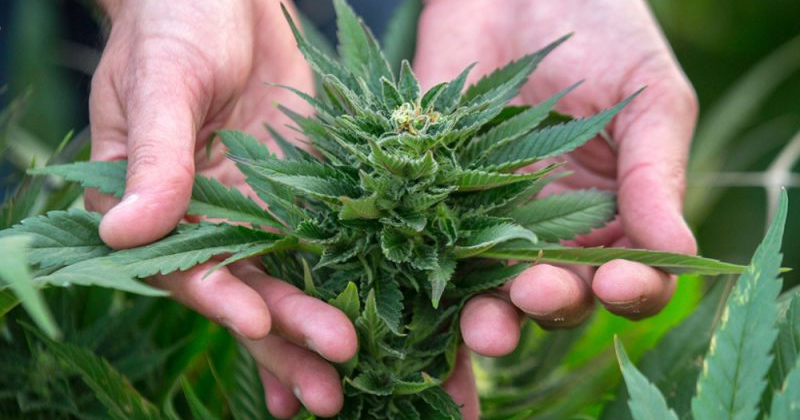
Israel is currently the world leader in cannabis research. Cannabis remains illegal there, except for medical use related to certain conditions, but the country is now seeking to decriminalize the use and possession of cannabis.
«It’s a matter of citizens» rights,” says Sharren Haskel, a Likud member of the Knesset, who is proposing to reclassify cannabis possession offenses as administrative offenses, roughly equivalent to a contraventionnalisation, as long as the amounts remain below 15 grams. The issue of full legalization is not yet on the agenda. Israeli lawmakers are waiting, in particular, to decriminalize the substance before deciding whether legalization is appropriate. «We don’t want to make things worse,» she told the website Forward.
This is where Israel stands on its cannabis policy. The country has recently authorized the medical cannabis exports, even though the issue of prescribing cannabis for medical use is no longer a point of contention among members of Congress.
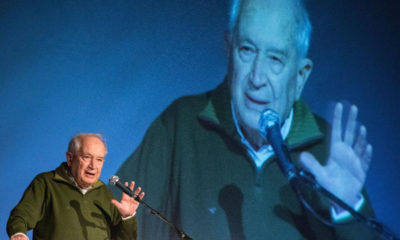
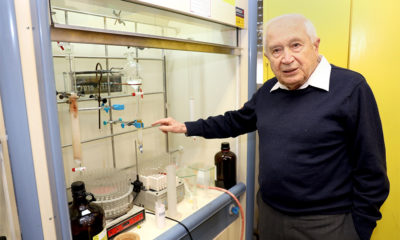
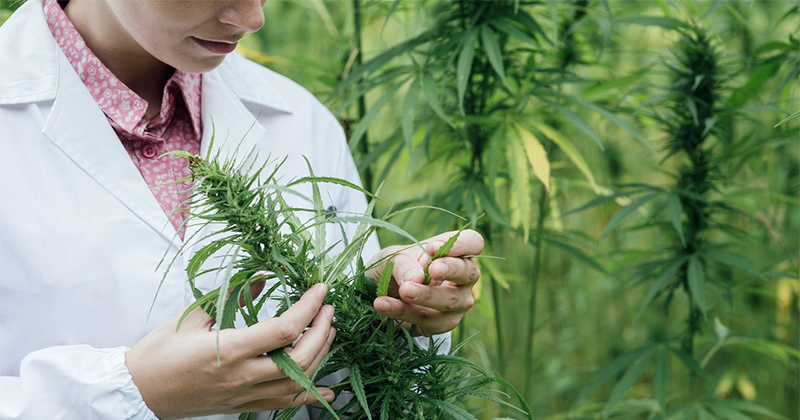
The history of medical cannabis began in the 1960s in Israel, with a chemist born in Bulgaria, Raphael Mechoulam. A police officer provided him with contraband Lebanese cannabis for his research, enabling him to isolate and synthesize cannabidiol and THC, the psychoactive component of cannabis. It was this initial discovery that established Israel as a leader in cannabis research.
In the 1990s, at Mechoulam’s urging, the country authorized the use of cannabis to treat serious illnesses, including cancer, Parkinson’s, and Crohn's disease and post-traumatic stress disorders. At the time, cannabis was still considered a left-wing, pacifist hippie thing. In fact, the only politicians who spoke out about it were from the left.
That changed in 2013, when Moshe Feiglin of the Likud (a right-wing party) came out in favor of the medical use of cannabis. His wife has Parkinson’s disease and uses cannabis to relieve her symptoms. Feiglin proposes that all doctors be allowed to prescribe medical cannabis and supports the full legalization of the plant.
Today, any specialist can prescribe cannabis, and every prescription must be approved by the Ministry of Health. Doctors are also trained in how to prescribe it. 25,000 patients are using cannabis for treatment.
Feiglin’s public announcement made Israelis realize that the issue of medical cannabis was not a partisan one, but a societal one, and it shattered the stereotypes and clichés associated with cannabis. Even the religious parties have joined this coalition of interest.
Numerous research studies have also been conducted, particularly on the effect of the Cannabis and Crohn's Disease, or studies on Autism in Children and Adults.
Medical cannabis in Israel is now attracting a number of startups and investors. The authorization to export medical cannabis will continue to solidify Israel’s position as a leader in this field, while the United States still does not officially recognize the therapeutic benefits of cannabis (though 28 states have legalized its medical use), and France remains at an impasse on this issue.












CBD is said to promote athletic recovery, without improving performance

294 cannabis clubs in Chile: a booming movement with uneven distribution

Chronic Sciatica: New York Approves First Clinical Trial of a THC-Based Medication

United States: The DEA is accelerating the integration of medical cannabis at the federal level

Florida is nearing one million patients using medical cannabis

Uruguay Revives Its Plan to Allow Tourists to Legally Access Cannabis

In Brazil, researchers are developing an innovative CBD eye drop

Autism: Medical Cannabis Is Linked to Reduced Anxiety

The $28 billion U.S. hemp market remains under threat

Jamaica Eases Small Farmers' Access to the Cannabis Market
-
 Business6 days ago
The legal cannabis market in New York exceeds 4 billion $ in revenue
-

 Cannabis in France2 weeks ago
Which countries legalized medical cannabis before France?
-
Business2 weeks ago
South Korea is preparing to begin local production of medical cannabis to meet rising demand
-
Cannabis in the Netherlands4 weeks ago
One year after the launch of the Dutch cannabis experiment, the first trends are emerging
-
Cannabis in Thailand2 weeks ago
From the boom in dispensaries to a purely medical approach: Thailand is revising its cannabis policy
-
Cannabis in France4 weeks ago
French medical cannabis remains stalled at the Ministry of Health
-
Cannabis in Argentina3 weeks ago
Argentina Opens Its Market to Hemp Flowers Containing 1% of THC
-
Cannabis and driving2 weeks ago
Medical Cannabis and Driving: New South Wales Ends Automatic Penalties for THC
















You must be logged in to post a comment Login