
The Canadian hemp industry is advocating for a 1% THC limit

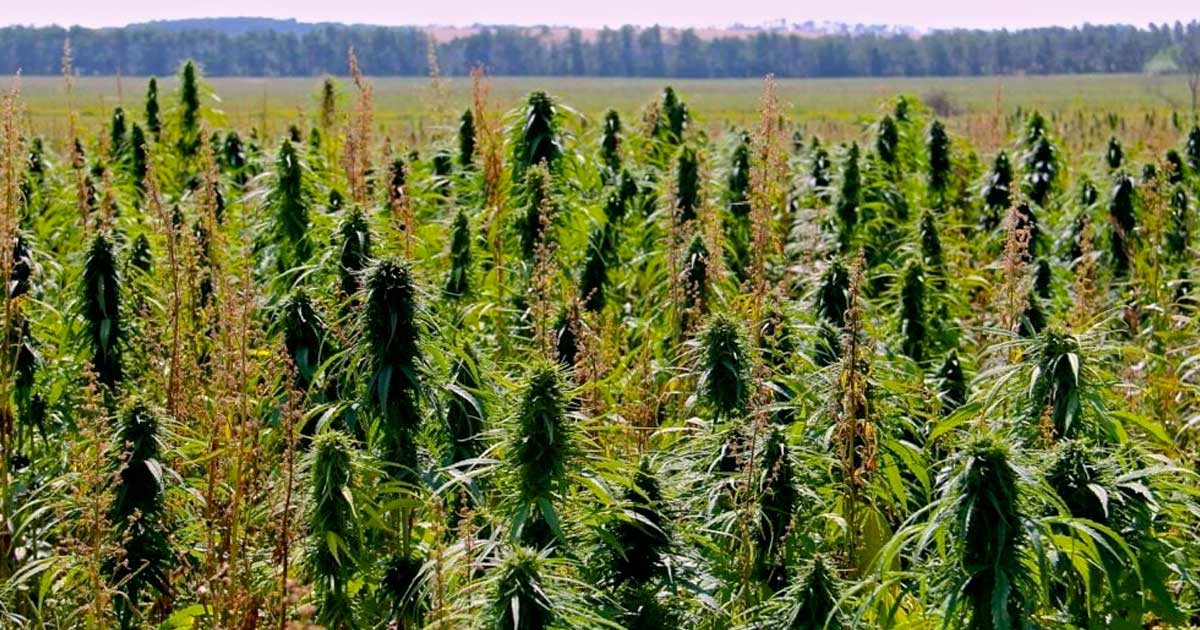
The Canadian hemp industry is calling for a comprehensive overhaul of the country’s regulatory framework, arguing that current rules continue to treat industrial hemp as if it were a controlled substance rather than an agricultural crop.
As part of a submission to a public consultation launched by Health Canada, the Canadian Hemp Trade Alliance (CHTA) proposed a series of reforms that could significantly transform the sector.
An initiative to raise the THC limit to 1%
Among the various proposals is an increase in the maximum permitted level of THC in industrial hemp, which would rise from 0.3 to 1%.
According to the CHTA, the current 0.3% threshold no longer reflects scientific knowledge or the economic realities of hemp production. The organization emphasizes that this The limit was initially set in the 1970s by the Canadian researcher Ernest Small, who has since called this figure arbitrary and expressed support for a higher threshold.
The industry believes that a 1% THC limit offers breeders greater flexibility to develop new varieties optimized for fiber production, seed yield, and floral biomass. Growers, for their part, argue that these varieties could improve profitability by enabling the simultaneous processing of both the fibers and the flowers, while maintaining competitiveness with other hemp-producing countries.
This proposal is part of an international trend toward more flexible regulations. Recently, New Zealand has adopted a 1% THC limit as part of broader reforms aimed at reducing the administrative burden on hemp growers, as well as in the Czech Republic and Costa Rica.
Opening of the hemp flower market
The CHTA also wants to see major changes in the way hemp flowers are regulated.
Current Canadian regulations impose restrictions on who is authorized to purchase floral material from hemp producers. The trade association argues that flowers, leaves, and branches should be treated as standard agricultural products, unless they are used for the extraction of concentrated cannabinoids.
Under the proposed framework, hemp growers would be free to sell flower biomass without being subject to the licensing requirements that currently apply to many transactions. The companies that extract phytocannabinoids However, these concentrates would remain subject to the provisions of the Cannabis Act.
Reducing Regulatory Burdens
Beyond THC limits and the sale of flower, the CHTA advocates for a significant reduction in licensing, reporting, and permitting requirements.
The organization argues that hemp cultivation should be regulated in the same way as other field crops, rather than under a narcotics control regime. It has proposed transferring several oversight responsibilities from Health Canada to agricultural agencies such as Agriculture and Agri-Food Canada, the Canadian Food Inspection Agency, and Statistics Canada.
“The Canadian hemp industry is pleased that Health Canada has recognized that the current regulatory framework for hemp in Canada is costly and not tailored to the risk profile of hemp for humans and animals,” said Ted Haney, president and CEO of the CHTA.
The alliance also wants the management of Canada’s list of approved cultivars to be transferred to the Canadian Seed Growers’ Association, arguing that the current approval process slows down innovation and creates obstacles for breeders.
Consultation in Progress
Health Canada launched the consultation in May to identify regulatory changes that could reduce compliance costs and barriers to market entry, while safeguarding public safety and meeting international obligations.
Stakeholders have until June 30 to submit their comments.




















Medical Cannabis and Driving: New South Wales Ends Automatic Penalties for THC

China's Yongji Health Takes Control of Tasmanian Botanics

Autism and Cannabis: Results from the First Placebo-Controlled Trial of NTI164

Which countries legalized medical cannabis before France?

From the boom in dispensaries to a purely medical approach: Thailand is revising its cannabis policy

South Korea is preparing to begin local production of medical cannabis to meet rising demand

In the United States, cannabis use among high school students has reached an all-time low

Medical cannabis use surges by 64 % in Denmark

Canopy Growth Enters the U.K. Market with Four Canadian Strains

CBD: Full-Spectrum Extracts Under Threat in Greece
-
 Cannabis and driving2 weeks ago
Cannabis and CBD: French Drivers Can Now Lose Their License Even Without a Positive Test Result
-

 Cannabis in France2 days ago
Which countries legalized medical cannabis before France?
-
Cannabis in France3 weeks ago
Cannabis Legalization: The LFI Bill Has a Major Problem—THC
-
Cannabis in the Netherlands2 weeks ago
One year after the launch of the Dutch cannabis experiment, the first trends are emerging
-
Cannabis in France2 weeks ago
French medical cannabis remains stalled at the Ministry of Health
-
Cannabis in Argentina1 week ago
Argentina Opens Its Market to Hemp Flowers Containing 1% of THC
-
Business2 weeks ago
The United Kingdom Is Moving Closer to a Regulated CBD Market
-
Business2 days ago
South Korea is preparing to begin local production of medical cannabis to meet rising demand














You must be logged in to post a comment Login