New Zealand raises the THC limit for hemp to 1%

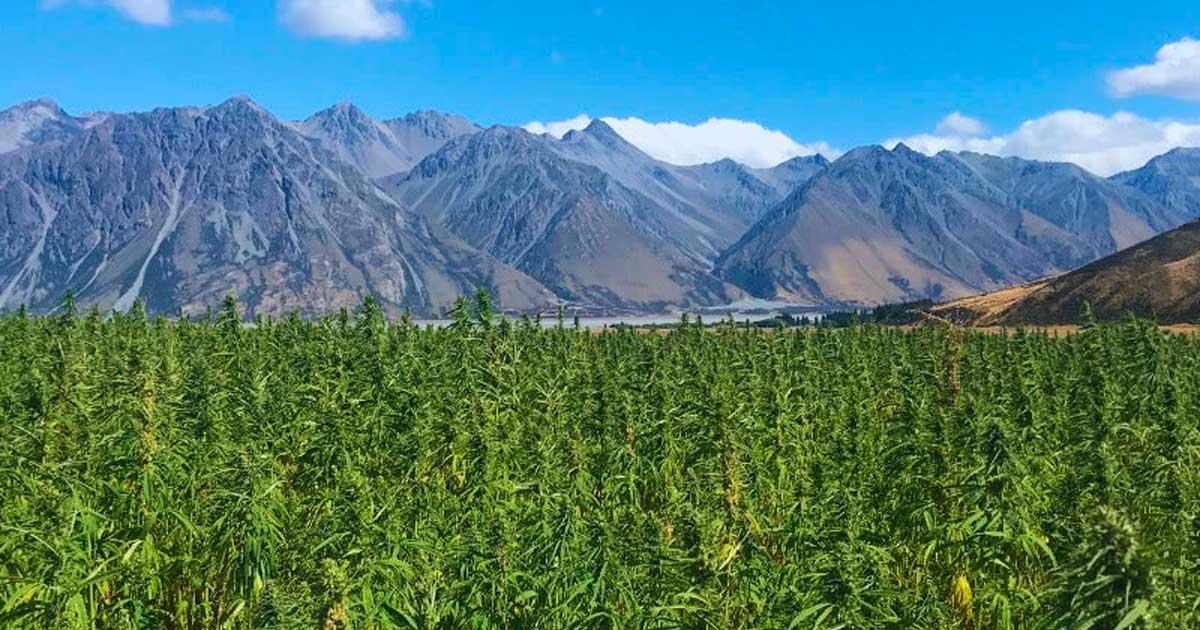
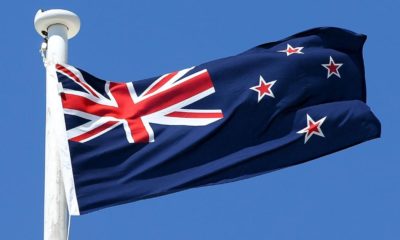
The New Zealand raised the legal THC limit in hemp from 0.35% to 1%.
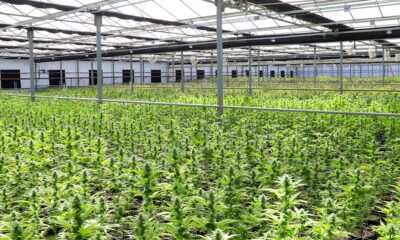
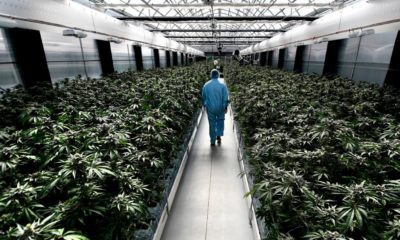
These changes repeal the 2006 Industrial Hemp Regulations and replace a licensing framework with a simpler notification system. Farmers no longer require the permission of health authorities to grow hemp. They must now simply notify the police and the Ministry of Primary Industries (MPI) of their intention before proceeding with planting.
«This is fantastic news for industrial hemp growers, now simply called «hemp» in Aotearoa New Zealand,» said Richard Barge, president of the New Zealand Hemp Industries Association (NZHIA).
The THC limit has been raised to reduce risks for growers.
Under the new rules, hemp is now defined as a plant with Cannabis sativa containing no more than 1% THC in dry weight. Industry representatives state that this higher threshold will significantly reduce the risk of crops unintentionally exceeding legal limits.
The new framework also opens hemp cultivation to all regions of the country and removes several administrative hurdles that previously discouraged participation in this sector.
According to Mr. Barge, these reforms help to reposition hemp as «a legitimate agricultural crop with strong potential in the areas of seeds, fibers, food, manufacturing, construction, and the development of sustainable bioproducts.».
This package of reforms also strengthens ties between the New Zealand sector of medical marijuana and the hemp industry.
As part of this new system, hemp biomass, including leaves and flowers, can be provided to licensed medical cannabis operators.
«Collaboration between the hemp and medical cannabis sectors is an important and positive step forward,» said Sally King, Executive Director of the New Zealand Medicinal Cannabis Council. «There are still significant opportunities surrounding the full utilization of the plant, notably by enabling the use of hemp leaves and flowers in the future for medicinal and wellness products for both humans and animals.»
Industry associations believe these new rules could help attract investment in processing infrastructure and the manufacturing of value-added products from hemp fibers, seeds, and biomass.
Restrictions on flowers, roots, and animal feed remain in effect.
Despite deregulation of the culture, significant restrictions continue to apply.
The government now defines a hemp product as primarily one made from hemp seeds, hemp stalks, or food products made from hemp seeds. Consequently, the commercial use of leaves, flowers, and roots remains restricted outside of medical cannabis or export channels.
Proponents of the sector have long argued that these restrictions prevent the full utilization of the plant and limit the development of higher value-added wellness and industrial products.
Another major open question concerns theAnimal feed. The MPI recently reaffirmed that hemp-derived ingredients remain subject to regulation under the Animal Products and Veterinary Medicines Act. This means that hemp-based products cannot be freely incorporated into thelivestock feed, pet food or other agricultural compounds without regulatory approval.

















Dr. Pascal Douek, a tireless advocate for medical cannabis in France, has died

Kentucky now has 26 medical cannabis dispensaries

«Vincy Gold»: Humboldt Seed Company on the Hunt for Saint Vincent Sativas

Cronos Completes the Acquisition of CanAdelaar for 57.5 million euros

Cannabis with a "bloody" twist: Discover Sensi True Blood and Sensi Sangria, the two new strains from Sensi Seeds

Hemp: The Council of the EU Takes a Stand on New Production and Marketing Rules

Missouri's legal cannabis market accounts for 93 % of consumer spending

THC Gummies: How to Read a Certificate of Analysis Before Buying

British patients now have access to THCV-rich cannabis flowers

Spain: Medical Cannabis Is Coming to About 50 Hospitals
-
 Business3 weeks ago
The legal cannabis market in New York exceeds 4 billion $ in revenue
-
Cannabis in France2 weeks ago
France already has 3,000 cannabis retail outlets. None of them are legal.
-
Cannabis in the U.S.2 weeks ago
A DEA report confirms that there are no fatal cannabis overdoses
-
Cannabis in France4 weeks ago
France’s Drug Policy Chief Defends Cannabis Prohibition... and Runs Into the Facts
-
Studies on cannabis2 weeks ago
Cannabis Oil and Endometriosis: A Promising Study for Pain Relief
-
Business2 weeks ago
Tilray is accelerating its operations in Europe thanks to a license in Portugal
-
CBD3 weeks ago
In Brazil, researchers are developing an innovative CBD eye drop
-
Cannabis in France2 weeks ago
CBD in France: Traceability, Retail Stores, THC and Driving… What the New Bill Proposes















You must be logged in to post a comment Login