Australian researchers improve CBD bioavailability


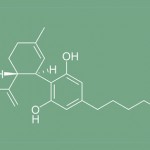
Researchers at the University of South Australia claim to have succeeded in significantly increasing the solubility of cannabidiol (CBD) and improving its absorption in the gastrointestinal tract.
Indeed, one of the challenges of its consumption is bioavailability. when ingested orally, that is, the proportion likely to be absorbed by the body. Low bioavailability (around 6% in humans) results from poor water solubility, physicochemical instability and high first-pass metabolism.
Although progress has been made in terms of bioavailability, it has been limited. For example, oil-based formulations are commonly used for the oral administration of CBD, and they provide only a 14% increase over lipid-free formulations.
But a UniSA team led by Professor Sanjay Garg reports having identified the optimal composition of phospholipids (lipids containing a phosphate group) to form nanometric CBD-PLC particles with a six-fold increase in solubility and dissolution. And in cellular studies of CBD-PLC, their development showed higher 32.7 % permeability, enabling greater absorption through the intestinal wall.
«Improved bioavailability means that lower doses can achieve the same therapeutic effect, which can reduce side effects and make treatment more cost-effective.», said the study's first author, Thabata Muta, a doctoral candidate at UniSA.
Moreover, while conventional CBD formulations degrade over time when exposed to heat, light or oxygen, tests carried out over a one-year period showed that CBD-PLC retained its performance under different storage conditions: 4°C, 25°C and 40°C.
A prolonged release of the molecule was also observed, which could offer therapeutic benefits by maintaining plasma concentrations over a prolonged period. In addition to CBD, the general approach could be applied to other poorly water-soluble substances to improve their absorption.
«The results indicate that CBD-PLC improves CBD solubility, permeability and stability, providing a promising strategy to address the limitations of oral CBD delivery systems,» says the study report.
Armed with the results of its work, the UniSA research team is now studying the possibilities of commercialization and clinical trials to validate this new formulation.
The study has been published in the’International Journal of Molecular Sciences.
















New Caledonia: The Courts Clear the Way for the Return of CBD

The Brazilian medical cannabis market continues to grow

Morocco: Three Cannabis-Based Medications Approved for the Treatment of Epilepsy

Canopy Growth Receives New EU-GMP Certification to Strengthen Its Presence in Europe

Three years after legalizing medical cannabis, Albania continues to establish regulations for it

The first plant-based medical THC spray arrives in the United Kingdom

Medical Cannabis in Germany: THC Prices Vary by a Factor of 12

France already has 3,000 cannabis retail outlets. None of them are legal.

Morocco's exports of legal cannabis have expanded to 15 countries

Aurora Cannabis Doubles Its Production Capacity in Germany
-
 Business2 weeks ago
The legal cannabis market in New York exceeds 4 billion $ in revenue
-

 Cannabis in France4 weeks ago
Which countries legalized medical cannabis before France?
-
Business4 weeks ago
South Korea is preparing to begin local production of medical cannabis to meet rising demand
-
Cannabis in France4 days ago
France already has 3,000 cannabis retail outlets. None of them are legal.
-
Cannabis in Thailand4 weeks ago
From the boom in dispensaries to a purely medical approach: Thailand is revising its cannabis policy
-
Cannabis in the U.S.5 days ago
A DEA report confirms that there are no fatal cannabis overdoses
-
Cannabis and driving3 weeks ago
Medical Cannabis and Driving: New South Wales Ends Automatic Penalties for THC
-
Cannabis in France3 weeks ago
France’s Drug Policy Chief Defends Cannabis Prohibition... and Runs Into the Facts
















You must be logged in to post a comment Login