Scientific review confirms CBD's promise in treating drug-resistant epilepsy

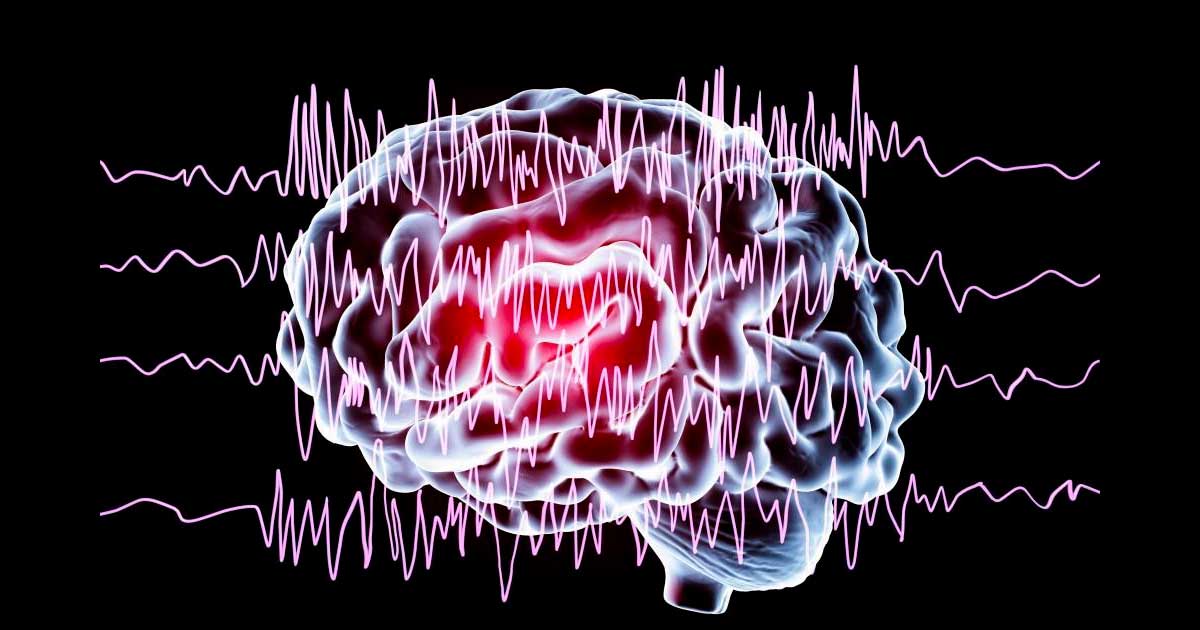
A recently published scientific study reinforces the potential of cannabidiol (CBD) as a treatment for drug-resistant epilepsy.
The study, which analyzed data from six clinical trials, found that patients who incorporated CBD into their treatment experienced an average reduction of 41% in seizures. This is more than double the reduction in seizures observed in patients who received a placebo, which was 18.1%.
Published in Acta Epileptologica, the study was conducted by researchers at the University of Tiradentes and the University of São Paulo in Brazil.
The Effectiveness of CBD in Reducing Epileptic Seizures
According to the research, the response rate to the CBD treatment was 127% higher than in the placebo group. «In light of these results, it can be concluded that the therapeutic response to cannabidiol warrants consideration in new treatment protocols and should be incorporated into public health systems due to its antiepileptic potential,» the authors write.
The study also compared two doses, 10 mg/kg/day and 20 mg/kg/day, both of which demonstrated significant efficacy. The higher dose controlled 12% more seizures, but even the lower dose was considered a viable option for clinical use.
Although the results strongly support the antiepileptic effects of CBD, the researchers also acknowledged the high placebo response rate in the trials. They suggested that this could be partly attributed to patients’ psychological expectations and the immense hope placed in the treatments by families seeking relief. Some participants even moved to the United States to access these treatments—particularly to Ohio—driven by a desperate need for effective solutions.
One of the study’s main findings is that CBD is generally well tolerated. The most common side effects include drowsiness, loss of appetite, and diarrhea. These side effects were described as mild and did not significantly interfere with treatment adherence.
However, the researchers emphasized the need to conduct more controlled studies in order to refine the optimal CBD dosage and to explore its potential interactions with other antiepileptic drugs.
Limited access in Brazil
Despite these promising results, access to The use of CBD-based treatments remains limited in Brazil. The study explains that cannabidiol is not yet included in official treatment protocols and that all CBD-based products used in the research had to be imported, making widespread adoption difficult due to high costs and regulatory barriers.
The authors called for further local research to adapt CBD therapy to the Brazilian context and improve its accessibility. «These obstacles highlight the need to discuss improving accessibility and to conduct local studies to adapt the use of CBD to the Brazilian context,» states the magazine.
















Boston will host the 10th annual State of the Cannabis Industry Conference on October 26

A DEA report confirms that there are no fatal cannabis overdoses

A British patient is challenging the NHS's refusal to reimburse medical cannabis

October 2026 CBD Highlights: 10 Strains and Hash to Discover from 5 French Producers

CBD in France: Traceability, Retail Stores, THC and Driving… What the New Bill Proposes

Organigram Enters the Race for Aurora Cannabis

Medical Cannabis: Augur Associates’ latest report provides an update ahead of the publication of the decrees

Golden Buds is relaunching its Nova High vape pens with a cannabinoid formula that’s out of the ordinary

Cannabis is now Canada's fifth-largest commercial crop

Bedrocan Finally Declared Bankrupt
-
 Business1 week ago
The legal cannabis market in New York exceeds 4 billion $ in revenue
-

 Cannabis in France3 weeks ago
Which countries legalized medical cannabis before France?
-
Business3 weeks ago
South Korea is preparing to begin local production of medical cannabis to meet rising demand
-
Cannabis in Thailand3 weeks ago
From the boom in dispensaries to a purely medical approach: Thailand is revising its cannabis policy
-
Cannabis and driving3 weeks ago
Medical Cannabis and Driving: New South Wales Ends Automatic Penalties for THC
-
Cannabis in Argentina4 weeks ago
Argentina Opens Its Market to Hemp Flowers Containing 1% of THC
-
Autism3 weeks ago
Autism and Cannabis: Results from the First Placebo-Controlled Trial of NTI164
-
CBD1 week ago
In Brazil, researchers are developing an innovative CBD eye drop
















You must be logged in to post a comment Login