
Mexico decriminalizes cannabis to combat drug trafficking

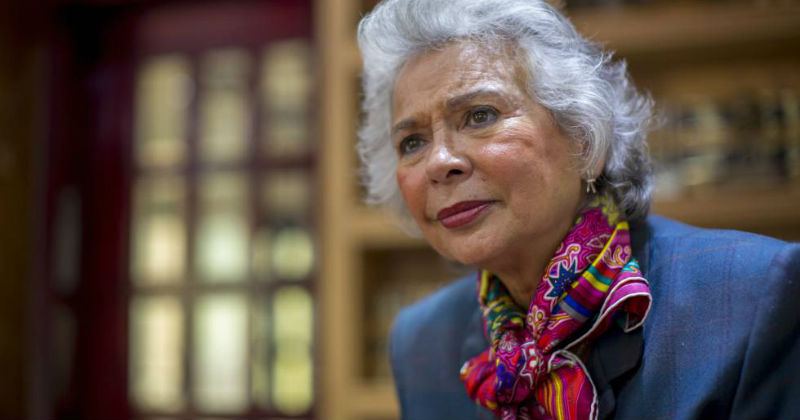
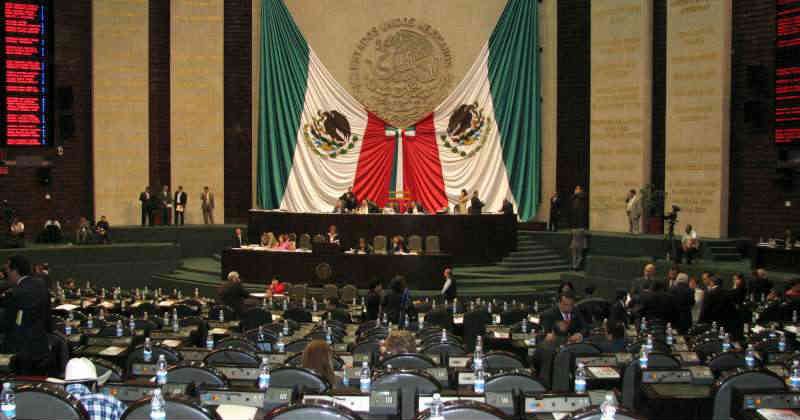
A breath of fresh air has been blowing through Mexico since this past Sunday, the 1ster July, with the inauguration of Andrés Manuel López Obrador, the country’s first left-wing president. This event could very well change the Legal Status of Cannabis in Mexico since the new president plans to appoint Olga Sánchez Cordero, a former Supreme Court justice who supports the decriminalization of cannabis, as interior minister. Her upcoming appointment signals a radical change in policy.
New government, new policy
The future interior minister revealed, in an interview with AFP, the measures she planned to take regarding public safety once her appointment took effect. She will therefore submit a bill to the new president regarding the decriminalization of the cultivation and recreational use of cannabis.
This project is part of the overall effort to combat the drug trafficking that is plaguing the country. 2017 was the bloodiest year of the 21stème century in Mexico, marked by a significant expansion of the cartels and a rise in murders, kidnappings, and disappearances. This observation highlights the ineffectiveness of previous anti-drug trafficking policies—such as a military presence and tougher penalties—promoted by Enrique Peña Nieto and, before him, Felipe Calderón.
Olga Sánchez Cordero will opt for alternative methods that do not involve the systematic use of armed force and police services (which, moreover, are riddled with corruption). She herself states: «We are not going to fight violence with violence.» The goal of this new policy is to develop a legal system that would render drug trafficking obsolete and reduce the cartels’ influence over young people.
How will it work?
To implement its new policy, it will rely on «transitional justice,» a series of special legal mechanisms that can be invoked in cases of systematic human rights violations in a country.
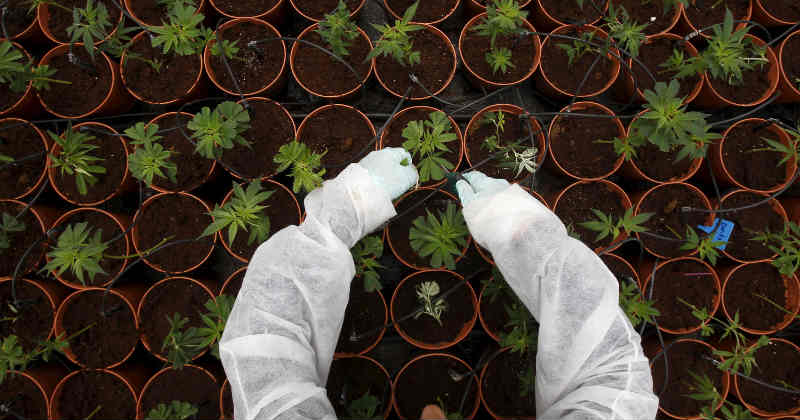
It is also considering amnesty and reduced sentences for imprisoned cartel members who cooperate in locating the missing persons, as well as for young people who were forcibly recruited. Decriminalization will not be limited to cannabis but could also extend to other plants in order to allow their legal cultivation for the legal pharmaceutical market.





CBD is said to promote athletic recovery, without improving performance

294 cannabis clubs in Chile: a booming movement with uneven distribution

Chronic Sciatica: New York Approves First Clinical Trial of a THC-Based Medication

United States: The DEA is accelerating the integration of medical cannabis at the federal level

Florida is nearing one million patients using medical cannabis

Uruguay Revives Its Plan to Allow Tourists to Legally Access Cannabis

In Brazil, researchers are developing an innovative CBD eye drop

Autism: Medical Cannabis Is Linked to Reduced Anxiety

The $28 billion U.S. hemp market remains under threat

Jamaica Eases Small Farmers' Access to the Cannabis Market
-
 Business5 days ago
The legal cannabis market in New York exceeds 4 billion $ in revenue
-
Cannabis and driving4 weeks ago
Cannabis and CBD: French Drivers Can Now Lose Their License Even Without a Positive Test Result
-

 Cannabis in France2 weeks ago
Which countries legalized medical cannabis before France?
-
Business2 weeks ago
South Korea is preparing to begin local production of medical cannabis to meet rising demand
-
Cannabis in the Netherlands4 weeks ago
One year after the launch of the Dutch cannabis experiment, the first trends are emerging
-
Cannabis in Thailand2 weeks ago
From the boom in dispensaries to a purely medical approach: Thailand is revising its cannabis policy
-
Cannabis in France4 weeks ago
French medical cannabis remains stalled at the Ministry of Health
-
Cannabis in Argentina3 weeks ago
Argentina Opens Its Market to Hemp Flowers Containing 1% of THC

















You must be logged in to post a comment Login