UN: France defends medical cannabis

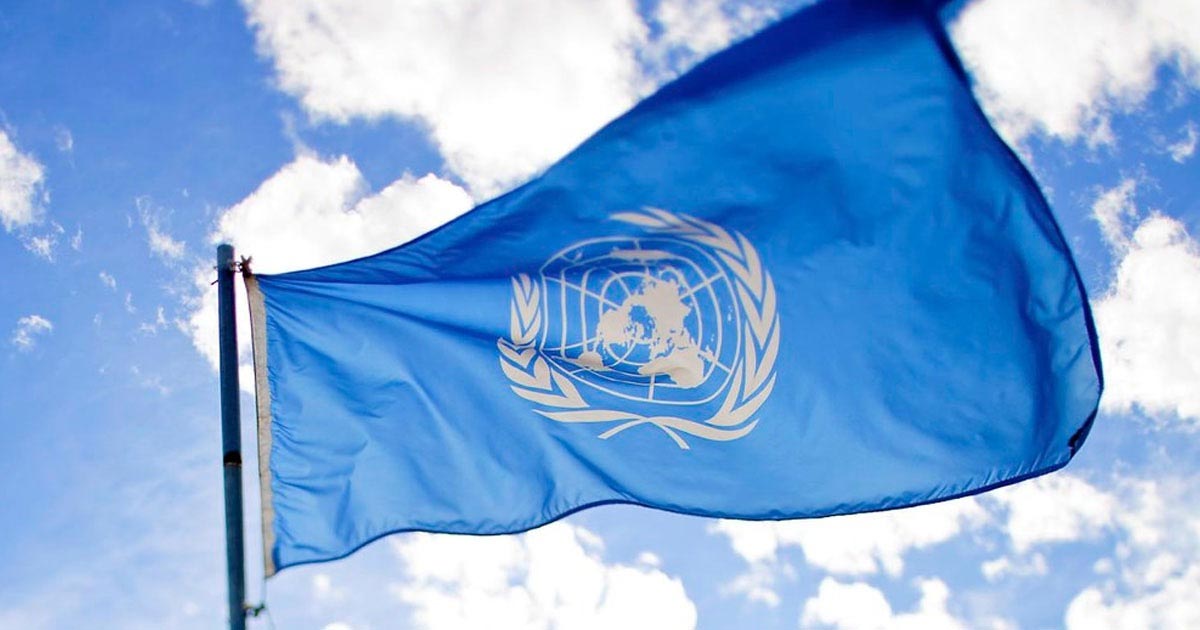
This week, for the first time in almost a century, France vigorously defended the therapeutic potential of cannabis at the UN, calling the WHO's landmark recommendation to declassify medical cannabis from Schedule IV of international treaties “necessary”.
List IV of the 1961 Convention (the international treaty that regulates cannabis) is the most restrictive and, symbolically, the list of drugs described as a “scourge”.”[1]. Table IV lists heroin, krokodil and fentanyl... but also cannabis and hashish!
In January 2019, the World Health Organization (WHO), after more than 2 years of scientific analysis of all available data, recommended removing cannabis from this Schedule IV. Other, more technical recommendations, aimed at facilitating medicinal access. However, these historic recommendations have yet to be validated or rejected by a vote of governments on December 2.
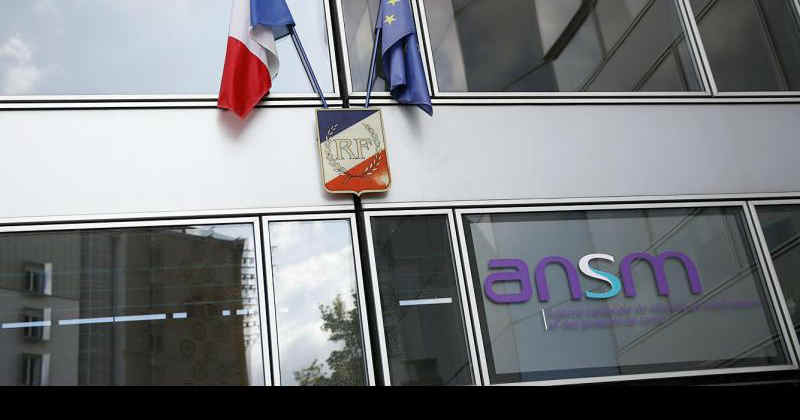
This recommendation “clearly raises the strongest symbolism and raises the highest expectations among part of our public opinion.” So said Elena Salazar (from ANSM), France's representative at the special diplomatic closed-door meeting, whose speech Newsweed was able to obtain.
“Recognizing the therapeutic potential of cannabis, it is also essential to enable scientific research [...]. the international community must send a clear signal on this issue. We must be able to show [...] that we will not compromise on drug trafficking and drug-related social damage, while taking into account scientific developments concerning cannabis.”
- Extract from Elena Salazar's statement on behalf of France at the UN Commission on Narcotic Drugs, Tuesday, October 6, 2020.
The French representative went on to present the ANSM experiment to the world in the following terms:
“In 2018, a scientific committee dedicated to the question of the relevance and feasibility of offering therapeutic cannabis in France [...] issued a positive opinion [...] for a clearly limited number of cases: pain refractory to available treatments, palliative care, pain and spasticity associated with MS, for certain forms of drug-resistant epilepsy, as well as in the context of accompanying care in oncology. The aim is to test this new, clearly defined medical use of cannabis in real-life conditions, an experiment should be set up in 2021, to evaluate the prescription and distribution circuit in real-life situations, and the commitment of healthcare professionals and patients to these conditions. 3000 patients suffering from the above-mentioned diseases are expected to be included in this experimental phase. This small-scale experiment will enable us to collect the first French data on the efficacy and safety of medical cannabis..”
With such a speech, France positioned itself alongside South Africa, the Netherlands, Jamaica, Mexico and Colombia, as well as the United States and Switzerland, in defending the declassification of Schedule IV and the role of scientific research in the evolution of public policy. This diplomatic shift was confirmed two days later, at the close of the UN cannabis consultations launched in January 2019. [2]. Adrien Frier, deputy director in charge of the fight against terrorism and organized crime at the Ministry of Europe and Foreign Affairs, declared :
“As we vote on these recommendations this December, we must remember to the main aim of international conventions: to protect the health and well-being of all populations. It is clear that these recommendations are not, and must not be seen as, a step towards liberalizing the non-medical use of cannabis, which is and will remain contrary to the Conventions. It is also clear that we do not, and must not, minimize the risks and dangers to health, particularly for young people, and that there is no room for drug-related trafficking and violence. At the same time, the Conventions are also built on the principle that they reflect scientific developments, and that the medicinal use of narcotics continues to be indispensable for relieving pain and suffering. This now means consider the therapeutic potential of cannabis”
- Extract from Adrien Frier's statement on behalf of France at the UN Commission on Narcotic Drugs, Thursday, October 8, 2020.
This is the first time since the late 1950s that France has adopted a position on cannabis on the international stage that differs from frontal opposition or denial. At that time, the efforts of France and other countries enabled the Conventions to exclude all cannabis cultivated and used “for industrial purposes”.” [3] making today's “hemp” possible.
As the history of cannabis policies is being written, France seems to be consolidating its support for research and access to cannabis and cannabinoids for medical purposes, and defending the right to health and science-based drug policies at the UN, in France and in the French overseas departments and territories.
[1] The term “plague” is used in the 1961 Convention, available at : https://www.unodc.org/pdf/convention_1961_fr.pdf
[2] Second intersessional meeting of the 63rd UN Commission on Narcotic Drugs.
[3] See: James H. Mills (2016). “The IHO as Actor: the case of cannabis in the Single Convention on Narcotic Drugs 1961”, Hygiea InternationalisVolume 13 Number 1, pages 95-115. DOI: 10.3384/hygiea.1403-8668.1613195. available at :https://ep.liu.se/ej/hygiea/v13/i1/a07/hygiea16v13i1a07.pdf
















JIHE 2026: Japan’s Largest Trade Show Dedicated to Hemp and CBD Returns to Tokyo with More Than 100 Industry Players
New Caledonia: The Courts Clear the Way for the Return of CBD

The Brazilian medical cannabis market continues to grow

Morocco: Three Cannabis-Based Medications Approved for the Treatment of Epilepsy

Canopy Growth Receives New EU-GMP Certification to Strengthen Its Presence in Europe

Three years after legalizing medical cannabis, Albania continues to establish regulations for it

The first plant-based medical THC spray arrives in the United Kingdom

Medical Cannabis in Germany: THC Prices Vary by a Factor of 12

France already has 3,000 cannabis retail outlets. None of them are legal.

Morocco's exports of legal cannabis have expanded to 15 countries
-
 Business2 weeks ago
The legal cannabis market in New York exceeds 4 billion $ in revenue
-

 Cannabis in France4 weeks ago
Which countries legalized medical cannabis before France?
-
Business4 weeks ago
South Korea is preparing to begin local production of medical cannabis to meet rising demand
-
Cannabis in France4 days ago
France already has 3,000 cannabis retail outlets. None of them are legal.
-
Cannabis in Thailand4 weeks ago
From the boom in dispensaries to a purely medical approach: Thailand is revising its cannabis policy
-
Cannabis in the U.S.5 days ago
A DEA report confirms that there are no fatal cannabis overdoses
-
Cannabis and driving3 weeks ago
Medical Cannabis and Driving: New South Wales Ends Automatic Penalties for THC
-
Cannabis in France3 weeks ago
France’s Drug Policy Chief Defends Cannabis Prohibition... and Runs Into the Facts















You must be logged in to post a comment Login