
Spain's Ministry of Health runs out of arguments against medical cannabis

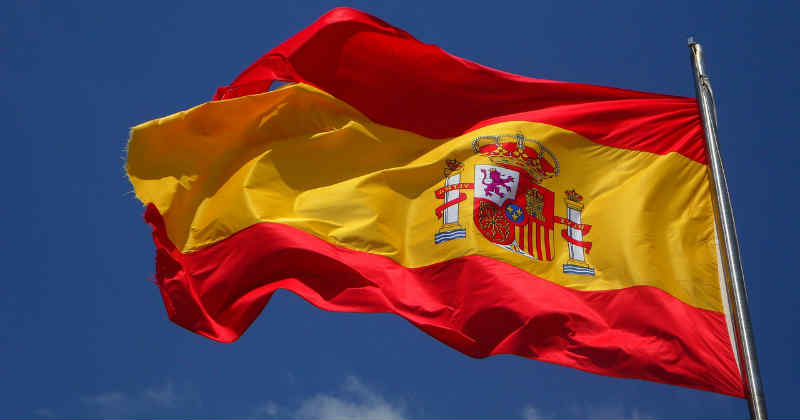
Questioned on the issue by the Spanish Observatory for Medical Cannabis, the Spanish Minister of Health cut short the debate by saying that cannabis was not a medicinet. With more nuance, the Spanish Ministry of Health has replied in writing to a question put to him by party members Ciudadanos on the possible regulation of medical cannabis, saying that there was insufficient evidence of its therapeutic efficacy. The government hinted that it would defer to the WHO's opinion on the matter.
The «lack of evidence»
In its response, the Ministry of Health refers to the results of the 40th meeting of the committee, published last June, with a strong emphasis on the adverse effects reported: motor and cognitive alterations, tachycardia, anxiety, depression, psychosis, impaired development of young brains and addiction. For the members of the Spanish Medical Cannabis Observatory, however, the Ministry is clearly confusing recreational and medical cannabis.
«When you look at the possible adverse effects they mention, adverse effects that otherwise cannabis and cannabinoids have like any drug (and especially psychotropic drugs), you see that these effects are mostly caused by smoked cannabis (a route of administration that is not recommended without therapy) and in recreational users (not in a controlled therapeutic context).» explains Manual Guzmán, professor of biochemistry at the University of Madrid and member of the OECM.
The Ministry of Health also cites the American study of the American Academy of Engineering and Medical Sciences, The health effects of cannabis and cannabinoids the current State. The study provides an overview of the current state of knowledge on medical cannabis, stating that there is conclusive evidence of its efficacy against chronic pain, adverse effects of oncology treatments and loss of spasticity in multiple sclerosis. Ironically, when the Ministry cites the study, it omits these conclusions altogether and simply highlights the fact that the researchers are calling for more research.
Finally, the Ministry states that «the efficacy and safety of cannabis-based therapies are currently being studied worldwide». It refers to the’WHO's critical assessment of the therapeutic potential of cannabis and its Expert Committee on Drug Dependence, stating in its reply that it was «necessary to await its conclusions and the position adopted before taking the relevant decisions at national level». Shortly after this response, the WHO published its recommendations. These recognize the therapeutic potential of cannabis and recommend its reclassification in international treaties to enable its medicinal use. This news does not force the Spanish government to change its legislation, but it does leave it short of arguments.
The current situation of medical cannabis in Spain
Some cannabis medicines are already authorized in Spain. This is the case of Epidiolex and Sativex from the laboratories GW Pharmaceuticals as well as exceptional imports of nabilone and dronabinol. Access to these drugs is extremely limited, however, and many patients resort to CBD available in the shops. The OECM has called on the government to regulate CBD after conducting a study showing that the CBD levels displayed on the labels of certain brands do not correspond to the actual content in the products.
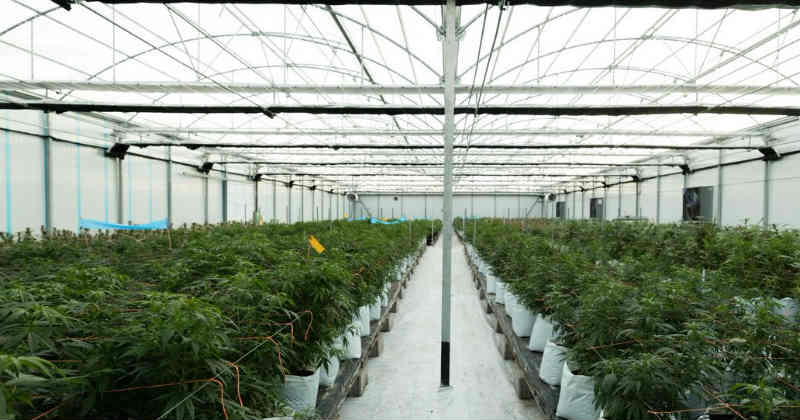
The production of medical cannabis in Spain is authorized to a lesser extent and for research and export purposes only. For the moment, only 4.03 hectares of land in Andalusia, Catalonia, Murcia and Valencia have been approved for production. The Ministry of Health has granted production licenses to only six companies (160 applied), including Phytoplant, CIJA Preservation, S.L., DJT Plants Spain and Alcaliber. The latter is a leader in global opioid production and was owned 60% by pharmaceutical magnate and multimillionaire Juan Abello and 40% by Sanofi Aventis, and was sold to a British fund in 2018, GHO. Juan Abello is now reconverted to cannabis via Linneo Health, owned by GHO (which holds Alcaliber's cannabis production license) and Abello.
Two parliamentary initiatives to regulate cannabis are currently languishing in the Spanish Congress of Deputies. One from Podemos and aims to legalize cannabis in its entirety, while the other is from Ciudadanos and aims to legalize medical cannabis. Driven by an ideal of direct democracy, these two relatively young political formations had the ambition of renewing the Spanish political scene dominated by the Popular Party and the Socialist Party. Significantly, they have come up with progressive proposals, while the traditional parties seem to be stuck in a form of conservatism. According to a recent survey 84% of Spanish citizens are in favor of legalizing medical cannabis.












Medical Cannabis and Driving: New South Wales Ends Automatic Penalties for THC

China's Yongji Health Takes Control of Tasmanian Botanics

Autism and Cannabis: Results from the First Placebo-Controlled Trial of NTI164

Which countries legalized medical cannabis before France?

From the boom in dispensaries to a purely medical approach: Thailand is revising its cannabis policy

South Korea is preparing to begin local production of medical cannabis to meet rising demand

In the United States, cannabis use among high school students has reached an all-time low

Medical cannabis use surges by 64 % in Denmark

Canopy Growth Enters the U.K. Market with Four Canadian Strains

CBD: Full-Spectrum Extracts Under Threat in Greece
-
 Cannabis and driving2 weeks ago
Cannabis and CBD: French Drivers Can Now Lose Their License Even Without a Positive Test Result
-
Cannabis in France3 weeks ago
Cannabis Legalization: The LFI Bill Has a Major Problem—THC
-

 Cannabis in France1 day ago
Which countries legalized medical cannabis before France?
-
Cannabis in the Netherlands2 weeks ago
One year after the launch of the Dutch cannabis experiment, the first trends are emerging
-
Cannabis in France2 weeks ago
French medical cannabis remains stalled at the Ministry of Health
-
Cannabis in Argentina1 week ago
Argentina Opens Its Market to Hemp Flowers Containing 1% of THC
-
Business2 weeks ago
The United Kingdom Is Moving Closer to a Regulated CBD Market
-
Cannabis in France1 week ago
Rima Hassan: When «Drugs» Become a Political Weapon













You must be logged in to post a comment Login