
An African plant produces cannabinoids similar to cannabis

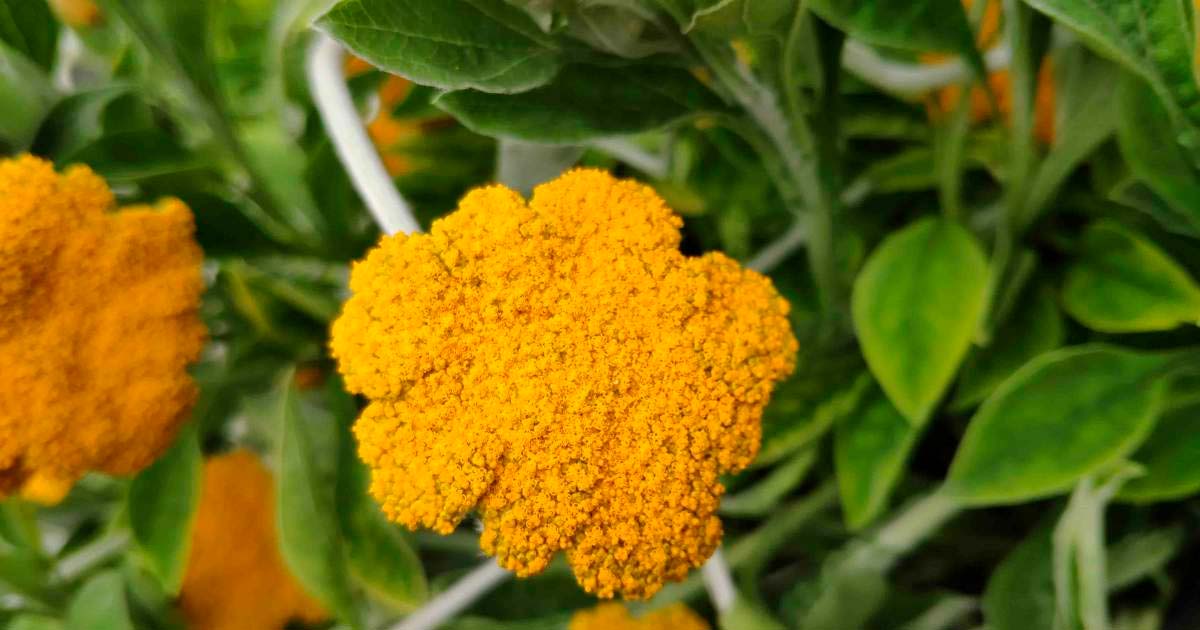
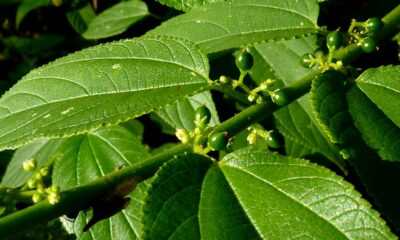
A South African plant with the mild Latin name of Helichrysum Umbraculigerum is known to produce cannabinoids usually found in Cannabis, some of which could have new medical uses.
In a study published in Nature Plants, researchers from the Israeli Weizmann Institute have identified more than 40 cannabinoids in this variety of Helichrysum. The team revealed the series of biochemical steps followed by the plant when making these compounds, and also showed how these steps can be reproduced in the laboratory to synthesize or even design new cannabinoids.
«We've found an important new source of cannabinoids and developed tools for their long-term production that can help explore their enormous therapeutic potential,» Dr. Shirley Berman, who led the study, told the Jerusalem Post.
This variety of Helichrysum is traditionally consumed in South Africa. German scientists had already studied the plant in 1979 and found cannabigerol (CBG), the cannabinoid that gives rise to the others in Cannabis.
Today, using a battery of cutting-edge technologies, Berman and his colleagues have confirmed this initial report, as well as the presence of CBGa, the precursor of CBG. They found neither CBD nor THC, but sequenced the entire genome of the’Helichrysum Umbraculigerum and used advanced analytical chemistry techniques, including high-resolution mass spectroscopy, to identify the types of cannabinoids it contains.
Using nuclear magnetic resonance, the researchers revealed the precise structure of more than a dozen of these cannabinoids and other related metabolites. They have traced the entire biochemical pathway involved in cannabinoid production and determined where in the plant they are produced.
The plant manufactures its cannabinoids mainly in its leaves, unlike Cannabis, where it's the flowers that produce these active ingredients. Despite this difference, scientists have found many similarities between Helichrysum and Cannabis. In particular, the enzymes used at each stage of their cannabinoid production process belong to the same families throughout the first half of the biochemical pathway.
«The fact that over the course of evolution, two genetically unrelated plants independently developed the ability to produce cannabinoids suggests that these compounds fulfill important ecological functions,» Aharoni suggested. «Further research is needed to determine what these functions are.»
Aharoni's team have already taken their latest knowledge of cannabinoid genetics a step further, using it to generate the cannabinoid-making enzymes recently discovered in tobacco plants. The researchers have also successfully used these enzymes to create finished cannabinoids in yeast, suggesting a new method of manufacturing compounds for research and the biotech industry.
In future, the results of the study could even lead to the manufacture of cannabinoids that do not exist in nature. These could be designed to bind better to human forms of cannabinoid receptors, for example, or to achieve specific therapeutic benefits.
«The exciting next step will be to determine the properties of the more than 30 new cannabinoids we've discovered, and then see what therapeutic uses they might have,» concludes Berman.



















CBD is said to promote athletic recovery, without improving performance

294 cannabis clubs in Chile: a booming movement with uneven distribution

Chronic Sciatica: New York Approves First Clinical Trial of a THC-Based Medication

United States: The DEA is accelerating the integration of medical cannabis at the federal level

Florida is nearing one million patients using medical cannabis

Uruguay Revives Its Plan to Allow Tourists to Legally Access Cannabis

In Brazil, researchers are developing an innovative CBD eye drop

Autism: Medical Cannabis Is Linked to Reduced Anxiety

The $28 billion U.S. hemp market remains under threat

Jamaica Eases Small Farmers' Access to the Cannabis Market
-
 Business6 days ago
The legal cannabis market in New York exceeds 4 billion $ in revenue
-

 Cannabis in France2 weeks ago
Which countries legalized medical cannabis before France?
-
Business2 weeks ago
South Korea is preparing to begin local production of medical cannabis to meet rising demand
-
Cannabis in the Netherlands4 weeks ago
One year after the launch of the Dutch cannabis experiment, the first trends are emerging
-
Cannabis in Thailand2 weeks ago
From the boom in dispensaries to a purely medical approach: Thailand is revising its cannabis policy
-
Cannabis in France4 weeks ago
French medical cannabis remains stalled at the Ministry of Health
-
Cannabis in Argentina3 weeks ago
Argentina Opens Its Market to Hemp Flowers Containing 1% of THC
-
Cannabis and driving2 weeks ago
Medical Cannabis and Driving: New South Wales Ends Automatic Penalties for THC















You must be logged in to post a comment Login