New Zealand's medical cannabis sector struggles to meet demand

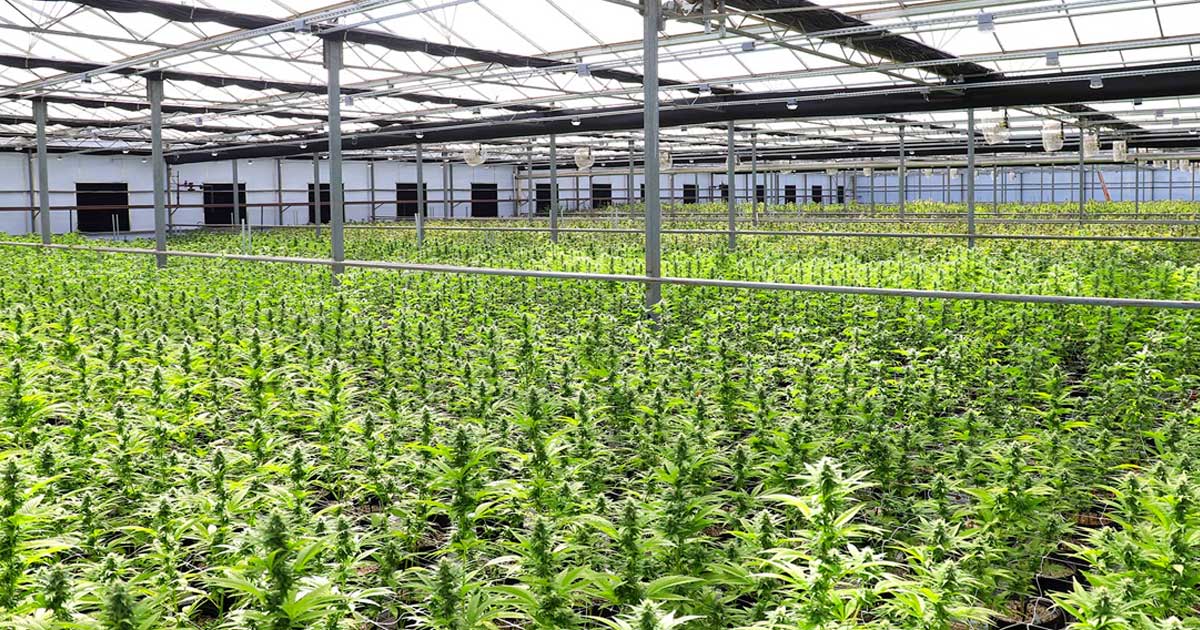
The medical marijuana in New Zealand is expanding rapidly, but is now facing major growth challenges. While patient access has exploded since the launch of medical cannabis program in 2020, The companies warn that regulatory blockages and supply shortages could threaten market viability.
Explosive growth in prescriptions
The rise of medical marijuana in New Zealand has been nothing short of spectacular. According to official data, «the number of medical cannabis products dispensed rose from 4,875 in 2020, when the program was launched, to 265,731 in 2025».
This exponential increase reflects both growing acceptance among patients and a greater willingness on the part of healthcare professionals to prescribe cannabis-based medicines. Since 2020, more than 80 products have been approved, including 25 new ones in 2024 alone.
Initially dependent on imports, the country has made a major important step in 2022 by authorizing national culture, with the aim of strengthening supply chains and reducing dependence on foreign producers.
Despite this progress, the sector is now facing a critical problem: product shortages. Clinics and suppliers report that these supply disruptions affect thousands of patients, sometimes forcing them to change their treatment abruptly.
Waseem Alzaher, Managing Director of Cannabis Clinic, emphasized the scale of the problem: «Because it leads to treatment discontinuation and forces us to switch patients to other products.»
Such disruptions are particularly problematic in a medical context, where continuity of treatment is essential. These shortages are not isolated incidents, but appear to reflect systemic constraints within the current regulatory framework.
Regulatory obstacles are slowing down the sector's development
Industry players claim that the regulations is now one of the main obstacles to growth. One of the issues frequently raised concerns the strict shelf-life rules imposed on certain products. While identical formulations can remain stable for up to a year in other markets, New Zealand regulations sometimes limit them to just three months.
According to Alzaher, «legislation stands in the way and makes no sense», particularly when it complicates import planning and inventory management.
Other bottlenecks include lengthy product approval processes, complex quality standards and limited flexibility to increase production or exports. These constraints prevent companies from reacting quickly to fluctuations in demand.
The regulatory environment is also creating financial strains for operators. Companies have invested heavily in infrastructure to meet stringent compliance requirements, only to see the market take off more slowly than expected.
Vicky Taylor, CEO of the Helius Group, explained, «We don't make breakfast cereals, we grow a plant and process it under highly regulated conditions with rigorous testing requirements, which takes time.»
High operating costs, combined with supply chain inefficiencies, push some companies to the brink.
Government open to reform
Authorities acknowledge the challenges, but maintain that the regulatory framework aims to strike a balance between patient safety and industry viability. Officials say they are in regular contact with stakeholders and continue to approve new products.
David Seymour, Minister for Regulation, has expressed his willingness to adapt policies: «I'm willing to look at how we can improve regulation for the internal market too; I encourage suppliers to contact the Department for Regulation with their concerns.»
To date, efforts have focused on optimizing export procedures, with licensing times cut by more than half since 2023. But on the domestic market, industry professionals are now calling for faster, more concrete reforms. For patients, the stakes are crucial: access to stable, effective and continuous cannabis-based treatments remains closely linked to the ability of the regulatory framework to adapt.
























Cronos Completes the Acquisition of CanAdelaar for 57.5 million euros

Cannabis with a "bloody" twist: Discover Sensi True Blood and Sensi Sangria, the two new strains from Sensi Seeds

Hemp: The Council of the EU Takes a Stand on New Production and Marketing Rules

Missouri's legal cannabis market accounts for 93 % of consumer spending

THC Gummies: How to Read a Certificate of Analysis Before Buying

British patients now have access to THCV-rich cannabis flowers

Spain: Medical Cannabis Is Coming to About 50 Hospitals

JIHE 2026: Japan’s Largest Trade Show Dedicated to Hemp and CBD Returns to Tokyo with More Than 100 Industry Players

New Caledonia: The Courts Clear the Way for the Return of CBD

The Brazilian medical cannabis market continues to grow
-
 Business2 weeks ago
The legal cannabis market in New York exceeds 4 billion $ in revenue
-

 Cannabis in France4 weeks ago
Which countries legalized medical cannabis before France?
-
Cannabis in France6 days ago
France already has 3,000 cannabis retail outlets. None of them are legal.
-
Business4 weeks ago
South Korea is preparing to begin local production of medical cannabis to meet rising demand
-
Cannabis in the U.S.1 week ago
A DEA report confirms that there are no fatal cannabis overdoses
-
Cannabis in Thailand4 weeks ago
From the boom in dispensaries to a purely medical approach: Thailand is revising its cannabis policy
-
Cannabis and driving4 weeks ago
Medical Cannabis and Driving: New South Wales Ends Automatic Penalties for THC
-
Cannabis in France3 weeks ago
France’s Drug Policy Chief Defends Cannabis Prohibition... and Runs Into the Facts

















You must be logged in to post a comment Login