

In Morocco, legal cannabis growers call for recreational legalization

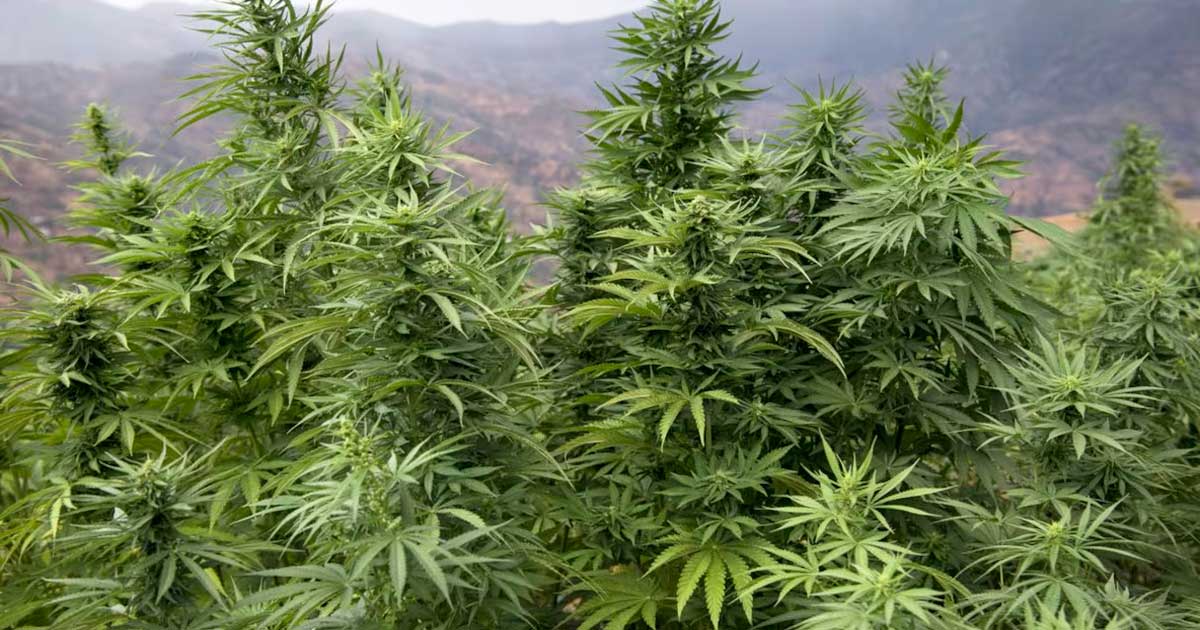
While the first year of legal hemp production ended with a substantial harvest of 4,000 tonnes (including all the plants, not the end product), Moroccan legal growers are now faced with the reality of the market and inadequate infrastructure.
Production of legal cannabis, in excess of demand, has led to a fall in prices, with some growers selling their crop for as little as 80 dirhams (8 euros) a kilo. At this price, many are unable to cover their costs. This economic pressure is exacerbated by the limited number of treatment capable of converting raw cannabis into medical or industrial products, leaving a large part of the harvest unsold.
Insufficient demand and structural challenges
In 2024, Morocco issued 3,371 cannabis cultivation permits under law 13.21, which authorizes the production of cannabis for medical and industrial purposes. Despite these efforts, farmers face obstacles in selling their production due to a lack of investors and buyers.
Charif Adraddak, President of the Moroccan Cannabis Regulatory Observatory, explained to Hesspress that growers must sign contracts with purchasing companies to participate in the regulated system. However, the small number of such companies creates bottlenecks, discouraging many growers from entering the legal market.
Farid Ahithour, president of the Tizi Ifri cooperative, estimates that ’about half of all cannabis growers have not yet switched to the regulated market«. due to systemic and regulatory barriers.
Ahithour warns that the situation will worsen if more farmers join the regulated system without increased investment and infrastructure. Even with 700 investors, he argues, current production levels would remain unmanageable. This stagnation has led many growers and activists to ask for extended legalization which would include both recreational and traditional use of cannabis.
Calls for legalization of recreational and traditional use
Growers and activists argue that legalizing recreational and traditional cannabis use could ease market pressures while bringing economic benefits.
Adraddak highlights the rich history of informal cannabis consumption in Morocco, particularly in the northern regions. Drawing parallels with regulated cannabis spaces in countries like the Netherlands and Spain, he asks, «Why shouldn't we have regulated spaces like cafés or cannabis clubs?»
Such measures could not only boost domestic sales, but also attract tourists, especially as Morocco prepares to host the 2030 FIFA World Cup.
Mr Ahithour stresses the need for the government to take into account the preferences of international visitors.
«Why not provide safe, regulated places where [cannabis consumption] can take place?» he suggests, noting the potential for tourism-driven economic growth.
In the absence of immediate action, the the promise of a thriving cannabis industry may remain out of reach, leading many to question whether current policies can really support the long-term viability of the sector.



















The «cannabis» fine raised to 500 euros under the RIPOST Act

Sacha Baron Cohen Brings Ali G Back to Life During a Surprise Appearance at Wimbledon

Botswana Paves the Way for Commercial Hemp Cultivation

The First Authorized Medical Cannabis Cultivation in the Canary Islands

Germany Ends Public Health Insurance Coverage for Medical Cannabis Flowers

Cannabis Legalization in Pennsylvania Once Again on Hold

Democratic senators are reviving a bill to legalize cannabis at the federal level in the United States

A THC:CBD oil shows promising results in reducing agitation in people with dementia

San Francisco Allows «Cannabis Cafés»

Kenya Denies Rastafarians the Right to Use Cannabis
-

 Cannabis in Europe4 weeks ago
Bosnia and Herzegovina Continues to Roll Out Medical Cannabis Following Its Legalization
-
Cannabis in France3 weeks ago
France Submits the Long-Awaited Decree on the Reimbursement of Medical Cannabis to the Council of State
-
Cannabis in the U.S.4 weeks ago
The DEA Begins Hearings on the Federal Rescheduling of Cannabis
-
Business3 weeks ago
China Invests $10 Million in Medical Cannabis in Lebanon
-
Cannabis in Thailand4 weeks ago
Thailand Threatens Cannabis Shops with Severe Penalties
-
Business4 weeks ago
The British medical cannabis market is expected to exceed 140,000 patients by 2026
-
Cannabis in Australia2 weeks ago
South Australia is working to identify more water-efficient hemp varieties
-
Exchange4 weeks ago
Glass House will be the second U.S. cannabis company to list on the New York Stock Exchange















You must be logged in to post a comment Login