Mexico's Supreme Court puts a definitive end to cannabis prohibition

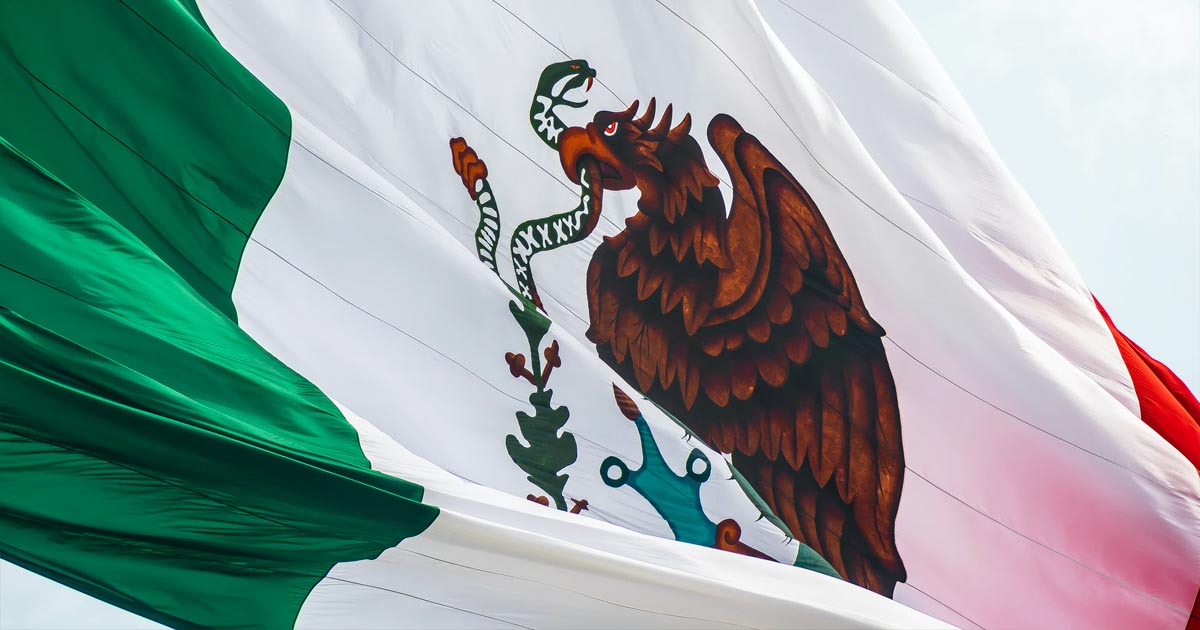
Almost three years after the Mexican Supreme Court ruled that the country's ban on cannabis is unconstitutional, On Monday, it voted to end its criminalization, after legislators failed to pass a legalization bill before the long-postponed deadline.
In 2018, the court had thus ordered the legislature to enact a policy change. But while both houses of Congress undertook their reform in various forms, they were unable to finalize it by the April 30 deadline.
Al resolver la declaratoria general de inconstitucionalidad 1/2018, la Corte eliminó la prohibición absoluta al consumo lúdico o recreativo de cannabis y THC que establecía la Ley General de Salud. El ejercicio del derecho de autoconsumo en ningún caso podrá afectar a terceros. pic.twitter.com/JvK4dPUdm3
- Suprema Corte (@SCJN) June 28, 2021
Minister Norma Lucía Piña Hernández, who sits on the high court, filed a general declaration of unconstitutionality earlier this month, paving the way for Monday's vote, which ended with 8 in favor of repealing prohibition and 3 against.
For Kenzi Riboulet-Zemouli, independent researcher and President of FAAAT, «the judges» qualified majority vote is a breath of fresh air for the rights of people who use cannabis, including beyond Mexico. After South Africa and Georgia, the Mexican Supreme Court confirms that the absolute prohibition of cannabis constitutes a violation of human rights. Human rights are the same everywhere, so it's only a matter of time before this doctrine is extended to other countries that place a high value on human rights in their constitutions".»
Is cannabis legal in Mexico?
This Supreme Court vote means that the possession and cultivation of cannabis for personal use is now legal nationwide. The Department of Health will retain some regulatory power over the authorization of personal cultivation, but people will no longer need to submit applications for legal protection through a more complicated judicial process.
Nevertheless, the decision underscores the need for legislators to rapidly adopt a measure aimed at implementing a comprehensive system of legal and regulated sales, a project on which they were already working. The main thrust of the project, which has so far remained unfinished, was to ensure the creation of a fair market that addresses the damaging effects of criminalization on certain communities and promotes individual freedom.
The Senate has thus approved a legalization bill at the end of last year, then the Chamber of Deputies revised it and adopted in March, sending it back to the original chamber. Two Senate committees then reviewed and approved the amended measure, but the leadership quickly indicated that certain revisions made the proposal unworkable.
This is how the situation evolved for weeks, as we approached the final deadline of April 30 set by the Court. It was expected that the Senate would again ask the Court for an extension, but that didn't happen. Instead, legislators began to raise the idea of holding a special legislative session to get the job done this year.
Outline of the bill
According to the proposal, Under the new law, adults aged 18 and over would be allowed to buy and possess up to 28 grams of cannabis and grow up to six plants for personal use. The MPs made changes that mainly concern the regulatory structure, rules for the commercial market and licensing policies.
One of the most notable changes made by the House of Representatives is that the revised bill does not establish a new, independent regulatory body to oversee licensing and program implementation, as approved by the Senate. Instead, it would give this authority to an existing agency, the National Commission on Drug Abuse.
Deputies also approved additional revisions to increase penalties for unauthorized possession of large quantities of cannabis, prevent the conversion of forest land into cannabis cultivation areas, and require regulators to «coordinate campaigns against the problematic use of cannabis and [...] develop permanent actions to deter and prevent its use by minors and vulnerable groups».
Legalization advocates were hoping for more. Throughout the legislative process, they called for changes to promote greater social equity and eliminate strict penalties for breaking the law.
Although the bill prioritizes marginalized communities for licensing, human rights advocates fear that the criteria are not strict and specific enough to ensure that this is the case. They also lobbied for an amendment to reserve a specific percentage of licenses for these communities. The amendment failed to pass.
























JIHE 2026: Japan’s Largest Trade Show Dedicated to Hemp and CBD Returns to Tokyo with More Than 100 Industry Players
New Caledonia: The Courts Clear the Way for the Return of CBD

The Brazilian medical cannabis market continues to grow

Morocco: Three Cannabis-Based Medications Approved for the Treatment of Epilepsy

Canopy Growth Receives New EU-GMP Certification to Strengthen Its Presence in Europe

Three years after legalizing medical cannabis, Albania continues to establish regulations for it

The first plant-based medical THC spray arrives in the United Kingdom

Medical Cannabis in Germany: THC Prices Vary by a Factor of 12

France already has 3,000 cannabis retail outlets. None of them are legal.

Morocco's exports of legal cannabis have expanded to 15 countries
-
 Business2 weeks ago
The legal cannabis market in New York exceeds 4 billion $ in revenue
-

 Cannabis in France4 weeks ago
Which countries legalized medical cannabis before France?
-
Business4 weeks ago
South Korea is preparing to begin local production of medical cannabis to meet rising demand
-
Cannabis in France4 days ago
France already has 3,000 cannabis retail outlets. None of them are legal.
-
Cannabis in Thailand4 weeks ago
From the boom in dispensaries to a purely medical approach: Thailand is revising its cannabis policy
-
Cannabis in the U.S.5 days ago
A DEA report confirms that there are no fatal cannabis overdoses
-
Cannabis and driving3 weeks ago
Medical Cannabis and Driving: New South Wales Ends Automatic Penalties for THC
-
Cannabis in France3 weeks ago
France’s Drug Policy Chief Defends Cannabis Prohibition... and Runs Into the Facts
















You must be logged in to post a comment Login