
Goldbar420®, the importance of terroir in CBD hashish, a heritage of excellence and transparency


The concept of terroir is deeply rooted in agriculture, particularly in wine and coffee production, where the environment shapes the characteristics of the final product. It encompasses climate, soil composition, altitude and traditional farming techniques, all of which influence the quality, strength and flavor of a plant.
Just as terroir defines the unique profiles of Bordeaux or Champagne wines, it plays a crucial role in hashish production. The specific conditions in which Cannabis is grown determine its cannabinoid and terpene content, shaping the resin's aroma, effects and purity.
The relationship between terroir and Cannabis
Cannabis, like any other cultivated plant, reacts in complex ways to its growing environment. The altitude at which it is grown affects UV exposure, which influences resin production, while soil composition determines the availability of key nutrients.
Microclimate - temperature variations, humidity levels and seasonal changes - further refine a variety's chemical expression. Traditional cultivation methods handed down from generation to generation, combined with these environmental factors, result in a hashish that bears the undeniable stamp of its origin.
Moroccan hashish is thus loved and recognized for its rich terpene profiles and potency, thanks to the terroir of the Moroccan growing areas. With the rise of CBD hashish on the European legal market, this same approach to high-quality, regionally-specific cannabis is now being applied to the cultivation of hemp, Cannabis with levels below 1% or 0.3% depending on the country.
The legacy of illegal growers in the new legal CBD hashish
The legalization of cannabis for industrial and pharmaceutical purposes in Morocco has opened doors for traditional growers who once operated on the bangs of the law. Regions such as Bab Berred, Ounas Edin and Taounate in Morocco have been at the heart of cannabis cultivation for generations, producing some of the world's most sought-after resins.
Moroccan growers are now processing hemp for the «wellness» market and Beldia for the medical sector, using the same working and selection processes. With the support of the Agence Nationale de Réglementation des Activités relatives au Cannabis (ANRAC), they are also documenting the differences observed according to altitude and geolocation of cultivation in the Moroccan Rif. .
Bab Berred, in the Rif mountains, has long been a stronghold of traditional cannabis cultivation. The village benefits from an altitude of 1,350 metres, a Mediterranean climate and mineral-rich soils, all of which contribute to the production of plants with a high resin content. Historically known for its high THC content hashish, Bab Berred is now moving towards legal CBD production, while maintaining the same rigorous cultivation standards.
Likewise, Ounas Edin has over 17 hectares of cannabis cultivation at an altitude of 1,100 metres, where local farmers use organic and environmentally-friendly methods. This heritage of natural farming ensures that the cannabis produced here retains its authenticity, even within the limits of legal hemp production. Taounate, Located at an altitude of 600 metres, the soil is more fertile and easier to work, enabling us to produce a wide range of terpene profiles and efficient production methods.
In France, Durance, between Embrun and Sisteron, presents an interesting case of adaptation. With cannabis cultivation tightly regulated in France, the region offers a promising environment for hemp, benefiting from high-altitude UV exposure and mineral-rich glacial deposits. This terroir-focused approach results in hemp flowers and, in fine, hashish, rich in cannabinoids and terpenes, which rival traditional Moroccan production.
The transition of these regions from the underground market to the legal industry is a testament to the resilience and expertise of their growers. While regulations impose new constraints, they also offer the opportunity to improve the perception of cannabis products, moving from an illicit trade to a recognized agricultural craft.
Transparency and traceability: the challenge of a rigged market
Despite the growth of the legal CBD hashish market in Europe, issues of product transparency and quality remain major challenges. Many hashish products sold on legal markets are diluted with substances such as milk powder, cornstarch or synthetic additives, undermining product integrity and misleading consumers.
In the absence of rigorous traceability measures, even well-intentioned brands can fall victim to supply chain manipulation, with intermediary sellers making false claims about the purity of their hashish.
To combat this phenomenon, brands such as Goldbar420® emphasize total transparency of supply and production. By establishing direct relationships with farmers in Bab Berred, Ounas Edin, Taounate and Durance, they ensure that their hashish is produced with respect for the terroir and without artificial alteration. This direct approach to the source is essential for restoring consumer confidence and proving that legal hashish can match, if not exceed, the quality of its illicit counterpart.
Goldbar420® adds a stamp of authenticity to its products to ensure that the chain of transparency is not broken.
Recognition of terroir in hashish shouldn't be a marketing trend with materials that mimic real appellations; it's at root a movement to legitimize and refine an industry with deep historical roots. By embracing the environmental and cultural factors that shape cannabis production, the legal market has the opportunity to differentiate itself from the influx of synthetic cannabinoids in highly processed products.
For traditional cannabis-growing regions, legalization is both a challenge and an opportunity. It allows them to bring centuries of expertise to a regulated market, while preserving the authenticity of their art. With brands like Goldbar420® which are paving the way for "terroir" hashish, the future of legal cannabis reconciles the plant's age-old history with modern practices.
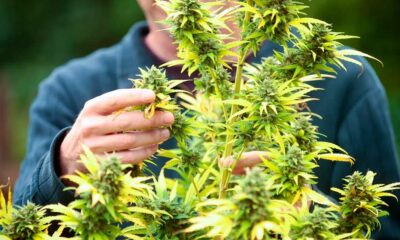
Photo credit: Wise Up Photographie.






















CBD is said to promote athletic recovery, without improving performance

294 cannabis clubs in Chile: a booming movement with uneven distribution

Chronic Sciatica: New York Approves First Clinical Trial of a THC-Based Medication

United States: The DEA is accelerating the integration of medical cannabis at the federal level

Florida is nearing one million patients using medical cannabis

Uruguay Revives Its Plan to Allow Tourists to Legally Access Cannabis

In Brazil, researchers are developing an innovative CBD eye drop

Autism: Medical Cannabis Is Linked to Reduced Anxiety

The $28 billion U.S. hemp market remains under threat

Jamaica Eases Small Farmers' Access to the Cannabis Market
-
 Business6 days ago
The legal cannabis market in New York exceeds 4 billion $ in revenue
-

 Cannabis in France2 weeks ago
Which countries legalized medical cannabis before France?
-
Business2 weeks ago
South Korea is preparing to begin local production of medical cannabis to meet rising demand
-
Cannabis in the Netherlands4 weeks ago
One year after the launch of the Dutch cannabis experiment, the first trends are emerging
-
Cannabis in Thailand2 weeks ago
From the boom in dispensaries to a purely medical approach: Thailand is revising its cannabis policy
-
Cannabis in France4 weeks ago
French medical cannabis remains stalled at the Ministry of Health
-
Cannabis in Argentina3 weeks ago
Argentina Opens Its Market to Hemp Flowers Containing 1% of THC
-
Cannabis and driving2 weeks ago
Medical Cannabis and Driving: New South Wales Ends Automatic Penalties for THC

















You must be logged in to post a comment Login