The entourage effect: Cannabis compounds beyond cannabinoids alone

The entourage effect is often summed up by the interaction of different cannabinoids. But this overlooks the fact that the Cannabis plant contains other active compounds, such as terpenes and flavonoids, which are just as powerful. The experts at Silent Seeds remind us that the entourage effect, that complex dance of interactions between cannabis compounds, is increasingly demonstrated by scientific studies and is set to revolutionize the future of cannabis consumption, whether for medical or recreational purposes.
Encouraging variety diversity for complete effects
In a very basic way, the boom in full-spectrum products sold in specialist stores and pharmacies is already based on the fact that an extract rich in cannabinoids has more effect than CBD taken in isolation. This symbiotic relationship between cannabis components is simply a reminder that different varieties of Cannabis contain different THC and CBD profiles, as well as terpenes, the plant's aromatic molecules. Nevertheless, to target a specific action, it's not enough to choose between CBD alone or a mixture of compounds. Various factors will determine the effect of a product or variety.
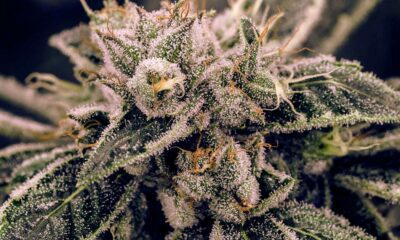
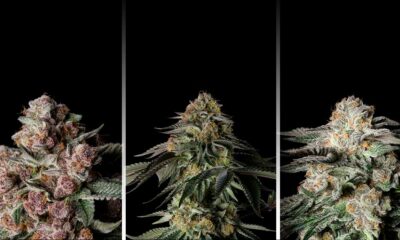
Let's take an example, a feminized variety of cannabis well known to Silent Seeds as the B-45, This makes it easy to find a maximum of 2 to 3 different phenotypes. Even if these 2 to 3 phenotypes have a similar genetic lineage, the flowers resulting from them will demonstrate distinctive properties in every respect (aroma, flavor and effect), which makes perfect sense because each phenotype's individual composition of active ingredients is drastically different (cannabinoids, terpenes and flavonoids). In the end, this means that genetic selection is interesting and important, so that the combination of chemical elements really does correspond to the desired purpose. One really interesting thing to remember is that sometimes two flowering tops bursting with resin trichomes, belonging to the same identified variety, will not have the same intensity of effect at all, quite simply because the variable element here is the content of the chemical elements present in the terpene profile. This explains why, at times, a Cannabis flower may look very attractive visually, but when you taste it, you're in for a big disappointment. Now it's clear why...
Research confirms the role of the entourage effect
The entourage effect, theorized by Israeli researcher Raphael Mechoulam in 1999, is based on the belief that cannabis compounds, including terpenes, reinforce the positive aspects of THC while mitigating psychoactivity-induced anxiety. Other research, led by American neurologist Ethan B. Russo, highlights the wider applications of the entourage effect. Russo's work demonstrate how cannabinoids act synergistically on each other, and subsequent studies show how secondary compounds can amplify or diminish the effects of cannabinoids. Surprisingly, even modest quantities of terpenes, the aromatic oils that give cannabis its characteristic fragrance, have a substantial impact.
Synergy in action: combining plant molecules for enhanced efficacy
The fundamental principle of the entourage effect emphasizes that the true potential of the cannabis plant is achieved through the harmonious collaboration of numerous compounds, including cannabinoids, terpenes, ketones, esters, lactones, alcohols, fatty acids, steroids and terpenes - the aromatic constituents responsible for flavor and smell. These compounds have remarkable therapeutic potential when working collectively, emphasizing that their strength lies in unity. Importantly, these compounds function in a variety of combinations, opening the way to a wide range of medical applications. To fully exploit their potential, it is essential to understand this complex chemistry in order to develop effective medical cannabis policies.
The alchemy of terpenes: Revealing their multi-faceted impact
Terpenes, often overshadowed by cannabinoids, play an essential role in the entourage effect. These molecules have the ability to block certain cannabinoid receptors in the brain, while activating others. In addition to influencing the brain's reception of THC and CBD, terpenes make a therapeutic contribution. The complexity of terpene interactions highlights their profound impact on the body's response to cannabis compounds.
Cannabic diversity of varieties
Cannabis genetics dictate the overall composition of each variety, which includes varying levels and combinations of cannabinoids, terpenoids and flavonoids. This inherent diversity leads to different levels of psychoactivity, resulting in strains that evoke either euphoric, cerebral sensations (known as Sativa) or sedative, physical effects (known as Indica). The presence of terpenes such as myrcene can enhance the brain's response to cannabinoids, while pinene counteracts the potential side effects of THC. The combination of terpenes such as pinene, myrcene and caryophyllene, for example, is an effective approach to combating anxiety.
The development of exotic« cannabis varieties», should also make it possible to discover new beneficial combinations.
Unlocking potential: Exploring compound synergy
Illustrating the limitless possibilities of compound interactions, the terpenes linalool and limonene, together with the cannabinoid CBG, promise to treat staphylococcal infections. The dynamic duo formed by THC and CBN amplifies sedative effects, while linalool and limonene, combined with CBD, could revolutionize anti-acne treatments. These insights into the potential associations between cannabis components only begin to uncover the vast network of combinations that could revolutionize medical treatments and impact the lives of countless people worldwide.
Changing perspective: From a THC-centric to a holistic approach
Recognition of the holistic potential of the’entourage effect is redefining the way cannabis is perceived. While THC often takes center stage, the entourage effect highlights the value of a more holistic approach. Drawing on patient experience and expert insights, it's clear that personalized, multi-component treatments often yield more favorable results than CBD alone.
Navigating grey areas
Despite the growing body of evidence, it's not always easy to adopt the entourage effect, mainly due to the complexity of isolating and reproducing all the plant's compounds. It is this limitation that motivates the development of pharmaceutical products based on isolated cannabinoids, such as Epidiolex with CBD or Sativex with THC and CBD. However, the appeal of fully exploiting the entourage effect remains, stimulated by the possibility of standardizing and controlling the delivery of cannabis' therapeutic benefits.
From exploration to application: revealing the way forward
While cannabinoid-based medicines such as Epidiolex have found their place in the pharmaceutical landscape, they only scratch the surface of the potential of the entourage effect. Research, coupled with strategic investment, could foster the development of more refined and accessible cannabis-based therapeutics. As the medical community continues to plumb the depths of cannabis chemistry, the entourage effect stands as a beacon, guiding the development of individualized treatments that have the power to transform lives.





























Medical Cannabis in Germany: THC Prices Vary by a Factor of 12

France already has 3,000 cannabis retail outlets. None of them are legal.

Morocco's exports of legal cannabis have expanded to 15 countries

Aurora Cannabis Doubles Its Production Capacity in Germany

Tilray is accelerating its operations in Europe thanks to a license in Portugal

Boston will host the 10th annual State of the Cannabis Industry Conference on October 26

A DEA report confirms that there are no fatal cannabis overdoses

A British patient is challenging the NHS's refusal to reimburse medical cannabis

October 2026 CBD Highlights: 10 Strains and Hash to Discover from 5 French Producers

CBD in France: Traceability, Retail Stores, THC and Driving… What the New Bill Proposes
-
 Business2 weeks ago
The legal cannabis market in New York exceeds 4 billion $ in revenue
-

 Cannabis in France3 weeks ago
Which countries legalized medical cannabis before France?
-
Business3 weeks ago
South Korea is preparing to begin local production of medical cannabis to meet rising demand
-
Cannabis in Thailand3 weeks ago
From the boom in dispensaries to a purely medical approach: Thailand is revising its cannabis policy
-
Cannabis and driving3 weeks ago
Medical Cannabis and Driving: New South Wales Ends Automatic Penalties for THC
-
Cannabis in Argentina4 weeks ago
Argentina Opens Its Market to Hemp Flowers Containing 1% of THC
-
Autism3 weeks ago
Autism and Cannabis: Results from the First Placebo-Controlled Trial of NTI164
-
Cannabis in France2 weeks ago
France’s Drug Policy Chief Defends Cannabis Prohibition... and Runs Into the Facts

















You must be logged in to post a comment Login