The Polynesian Economic Council does not want hemp for well-being

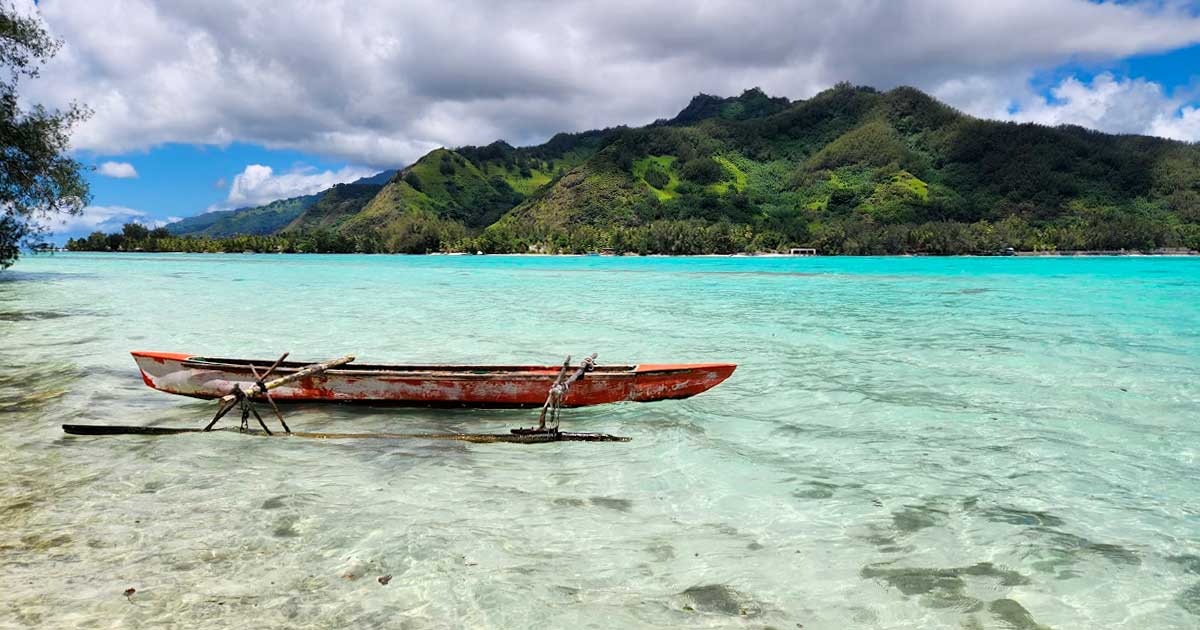
The French Polynesia announced in late December its intention to authorize cannabidiol (CBD) and its derivatives, set up a local hemp-growing industry and legalize therapeutic cannabis and its prescription for patients.
The Conseil économique, social et environnemental régional (Cesec), Fenua's consultative body, is reluctant to authorize the cultivation of hemp and the marketing of CBD products.
Cesec's cautious approach
Cesec, while recognizing the potential benefits of medical cannabis, is concerned about the premature nature of the bill. The institution supports the use of medical cannabis for specific pathologies, whether imported or locally produced, but insists on a controlled approach.
Marguerite Lai, Cesec's rapporteur, insists on the need for rigorous control: «we can't just let anything go». The Council fears that cannabis consumption will become commonplace, and stresses the potential risks to public health, particularly in view of the "high risk" associated with the use of cannabis.‘The interaction of cannabidiol (CBD) with drugs. Cesec is calling for better control and labeling of products, whether imported or locally produced, to mitigate risks.
Cesec's caution can also be explained by the absence of implementing decrees accompanying the bill. This is a recurring problem in the Polynesian legislative process, where the absence of detailed implementation plans can undermine the effectiveness of proposed legislation. Cesec remains in favor of the rapid legalization of medical cannabis, but stresses the importance of accompanying the use of these products with comprehensive training for medical personnel.
Cannabis as medicine against the green gold rush
Cesec draws a clear distinction between therapeutic cannabis, intended for specific medical conditions, and what it calls «wellness» cannabis. The institution initially supports the importation of cannabis-based medicines and envisages controlled local production in the future. However, it has reservations about the bill's provisions on «wellness» cannabis and its cultivation, weighing in on the need for stricter controls. .
Cesec suggests that a comprehensive legal framework be established before encouraging the green gold rush, highlighting the difficulty of keeping THC content below 0.3 % and the limited capacity of official analyses. The Polynesian Hemp Syndicate argues that this threshold should be raised to 1% because local environmental conditions favor the production of hemp's active ingredients.
The Syndicat expressed its disappointment at Cesec's unfavorable opinion, citing the Conseil d'Etat ruling of 2022 which called into question the absolute ban on hemp flower, limited to 0.3%, on the grounds that health risks had not been demonstrated.



















Medical Cannabis in Germany: THC Prices Vary by a Factor of 12

France already has 3,000 cannabis retail outlets. None of them are legal.

Morocco's exports of legal cannabis have expanded to 15 countries

Aurora Cannabis Doubles Its Production Capacity in Germany

Tilray is accelerating its operations in Europe thanks to a license in Portugal

Boston will host the 10th annual State of the Cannabis Industry Conference on October 26

A DEA report confirms that there are no fatal cannabis overdoses

A British patient is challenging the NHS's refusal to reimburse medical cannabis

October 2026 CBD Highlights: 10 Strains and Hash to Discover from 5 French Producers

CBD in France: Traceability, Retail Stores, THC and Driving… What the New Bill Proposes
-
 Business2 weeks ago
The legal cannabis market in New York exceeds 4 billion $ in revenue
-

 Cannabis in France3 weeks ago
Which countries legalized medical cannabis before France?
-
Business3 weeks ago
South Korea is preparing to begin local production of medical cannabis to meet rising demand
-
Cannabis in Thailand3 weeks ago
From the boom in dispensaries to a purely medical approach: Thailand is revising its cannabis policy
-
Cannabis and driving3 weeks ago
Medical Cannabis and Driving: New South Wales Ends Automatic Penalties for THC
-
Cannabis in Argentina4 weeks ago
Argentina Opens Its Market to Hemp Flowers Containing 1% of THC
-
Autism3 weeks ago
Autism and Cannabis: Results from the First Placebo-Controlled Trial of NTI164
-
Cannabis in France2 weeks ago
France’s Drug Policy Chief Defends Cannabis Prohibition... and Runs Into the Facts

















You must be logged in to post a comment Login