
Belgium's national drugs commissioner would like to follow Portugal's example

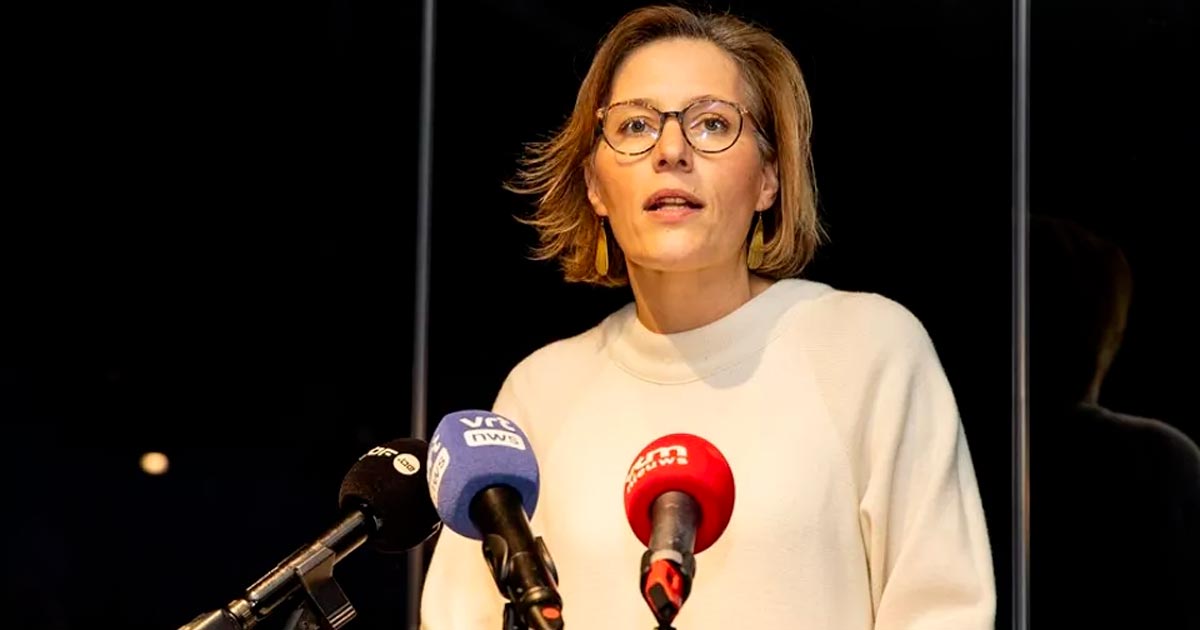
In an interview on drug policy reform, Belgium’s National Commissioner for Drug Control, Ine Van Wymersch, suggested that she was in favor of adopting the Portuguese model of drug decriminalization.
Portugal as an example
This approach would aim to replace punitive measures with more rehabilitative ones, treating drug addicts as patients rather than criminals. The spotlight is often on Portugal, which has implemented a revolutionary policy to decriminalize drugs in 2001, leading to a significant reduction in heroin use, crime rates, STI infections (hepatitis and HIV), and fatal overdoses.
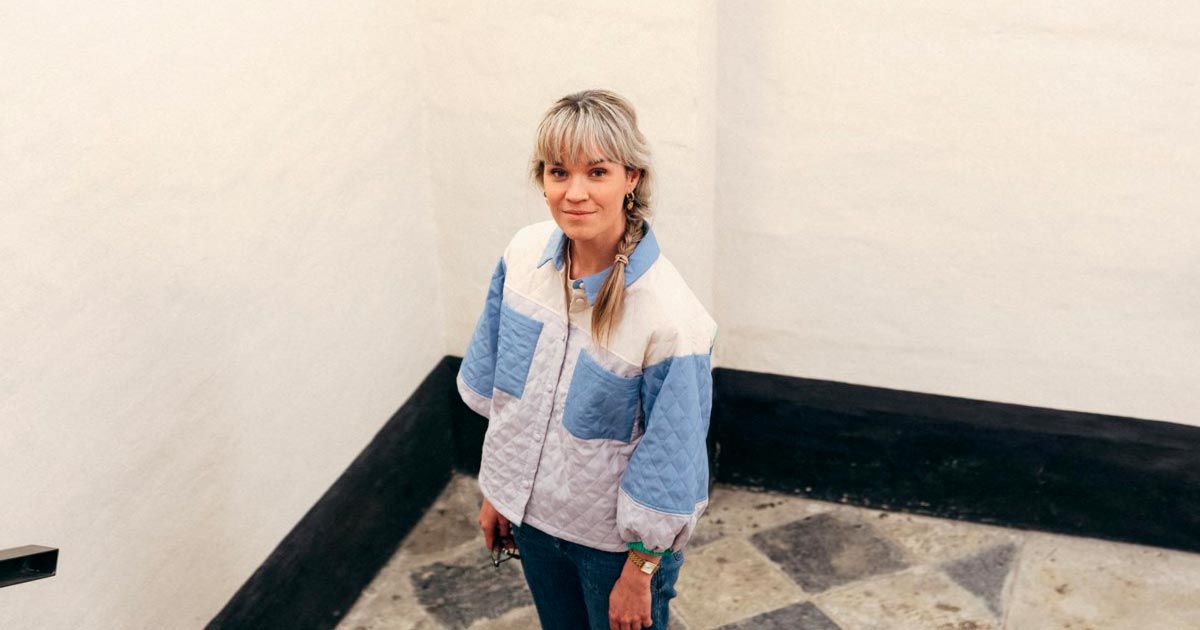
Charlotte Colman, Belgium's drug control coordinator
Charlotte Colman, Belgium’s drug control coordinator and chair of the Interfederal Working Group on General Drug Policy, explained that the decriminalization of drug possession for personal use in Portugal was part of a set of 13 strategies.
«Possession of 25 grams of cannabis is no longer a criminal offense, but rather an administrative offense. The success of the Portuguese approach is evident in the dramatic reduction in the number of heroin users, crime rates, and fatal overdoses over the past two decades.»
Colman highlights a crucial difference between Belgium and Portugal: «In our country, it is a magistrate or a judge who provides assistance, whereas in Portugal, a multidisciplinary commission with a social focus handles it.».
The potential impact on a person’s criminal record in Belgium poses problems, reducing the chances of stable housing and employment for those with drug-related convictions.
Beyond Decriminalization
The decriminalization of drug possession for personal use in Belgium could mirror the positive results observed in Portugal, but requires a comprehensive approach. Ms. Colman believes that decriminalization in Portugal is only one aspect of a broader strategy, which includes strengthening healthcare, conducting research, and combating drug trafficking and money laundering. Belgium’s focus, particularly on combating drug-related violence resulting from cocaine trafficking, calls for a nuanced approach.
According to Ms. Colman: «By decriminalizing possession for personal use here, you can keep people out of the criminal justice system, but you won’t reduce the supply of drugs to all of Europe via the port of Antwerp,» emphasizing the importance of a multifaceted strategy to address the various dimensions of drug trafficking and illegal drug use.
Recently, Belgium's Deputy Prime Minister and Minister of the Economy advocated for the legalization of cannabis.




















France’s Drug Policy Chief Defends Cannabis Prohibition... and Runs Into the Facts

Cannabis and the Adolescent Brain: French Scientists Make a Key Discovery

EFSA Gives Initial Approval for Synthetic CBD; Natural Extracts Still Pending

Federal Cannabis Reform Once Again on Hold in the United States

Contest: Win a trip to Quebec to experience the hemp harvest firsthand

Bedrocan on Hold Amid Uncertainty Over Medical Cannabis

Newsweed Launches Its Own AI
A new tax of 0.5% could disrupt the hemp industry in Canada

Medical Cannabis and Driving: New South Wales Ends Automatic Penalties for THC

China's Yongji Health Takes Control of Tasmanian Botanics
-
 Cannabis and driving3 weeks ago
Cannabis and CBD: French Drivers Can Now Lose Their License Even Without a Positive Test Result
-

 Cannabis in France1 week ago
Which countries legalized medical cannabis before France?
-
Cannabis in France4 weeks ago
Cannabis Legalization: The LFI Bill Has a Major Problem—THC
-
Cannabis in the Netherlands3 weeks ago
One year after the launch of the Dutch cannabis experiment, the first trends are emerging
-
Business1 week ago
South Korea is preparing to begin local production of medical cannabis to meet rising demand
-
Cannabis in Thailand1 week ago
From the boom in dispensaries to a purely medical approach: Thailand is revising its cannabis policy
-
Cannabis in Argentina2 weeks ago
Argentina Opens Its Market to Hemp Flowers Containing 1% of THC
-
Cannabis in France3 weeks ago
French medical cannabis remains stalled at the Ministry of Health















You must be logged in to post a comment Login