
A collective of young Tunisians creates a party for the legalization of cannabis

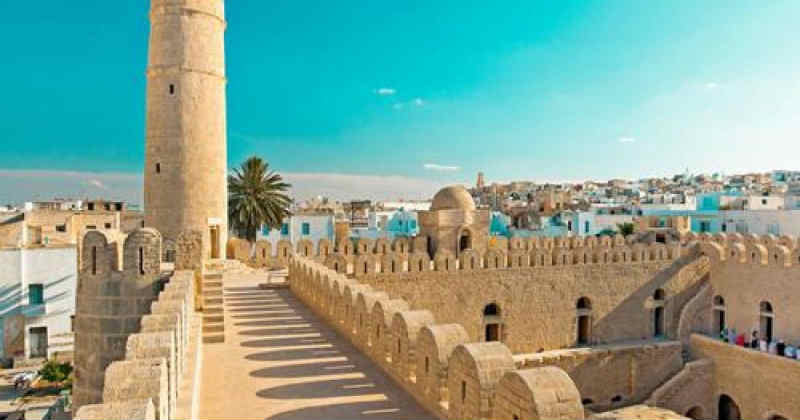
COLEC is a group working to legalize cannabis in Tunisia. These young activists carried out a series of promotional activities and are currently working on a bill that they plan to submit to Tunisian lawmakers and also include in their campaign platform, as they are forming a political party for the upcoming legislative elections.
Young People Are Mobilizing for Legalization
«The collective was formed in response to the failure of the security-based approach to combating drugs and cannabis. In fact, this war on drugs has only led to an increase in organized crime, the number of users, and the prison population (one-third of prisoners are incarcerated for drug use),» as stated on the collective's Facebook page. According to Qais bin Halima, a member of the collective, legalizing cannabis—by ensuring that the state controls distribution channels—would help reduce consumption and organized crime while generating enormous financial profits.>At a press conference on February 23, the collective announced is currently organizing workshops with members of Congress and representatives of the ruling parties to discuss a bill to legalize the production and consumption of cannabis. According to the group, legalization would be regulated and supervised by a government agency specifically created for this purpose, modeled after the Canadian and Uruguayan systems.
Together with other organizations, the collective founded a movement called the Paper Party. He plans to run in the legislative elections on October 6 and intends to include the proposed bill in his campaign platform. The organization is currently mobilizing young Tunisians through social media and establishing regional offices. Its political and economic platform is entirely based on the idea of legalization. A similar party was founded in Germany.
Tunisian drug laws are strict and provide for prison sentences for consumers. However, in April 2017, Parliament had passed a bill a revision of the law on narcotics for reduce the penalties faced by consumers and abolish prison sentences for first-time offenses. This initiative came from Tunisian President Beji Caid Essebsi, who had used his power to grant amnesty to release drug users imprisoned for a first-time offense.
There are no official figures on cannabis use in Tunisia. In October 2017, however, the director of the Tunisian Society for Addictions had announced on the radio that approximately 400,000 Tunisians had used cannabis in 2017, representing 3.47% of the total population. This proportion, however, appears to be an underestimate.










CBD is said to promote athletic recovery, without improving performance

294 cannabis clubs in Chile: a booming movement with uneven distribution

Chronic Sciatica: New York Approves First Clinical Trial of a THC-Based Medication

United States: The DEA is accelerating the integration of medical cannabis at the federal level

Florida is nearing one million patients using medical cannabis

Uruguay Revives Its Plan to Allow Tourists to Legally Access Cannabis

In Brazil, researchers are developing an innovative CBD eye drop

Autism: Medical Cannabis Is Linked to Reduced Anxiety

The $28 billion U.S. hemp market remains under threat

Jamaica Eases Small Farmers' Access to the Cannabis Market
-
 Business5 days ago
The legal cannabis market in New York exceeds 4 billion $ in revenue
-

 Cannabis in France2 weeks ago
Which countries legalized medical cannabis before France?
-
Business2 weeks ago
South Korea is preparing to begin local production of medical cannabis to meet rising demand
-
Cannabis in the Netherlands4 weeks ago
One year after the launch of the Dutch cannabis experiment, the first trends are emerging
-
Cannabis in Thailand2 weeks ago
From the boom in dispensaries to a purely medical approach: Thailand is revising its cannabis policy
-
Cannabis in France4 weeks ago
French medical cannabis remains stalled at the Ministry of Health
-
Cannabis in Argentina3 weeks ago
Argentina Opens Its Market to Hemp Flowers Containing 1% of THC
-
Cannabis and driving2 weeks ago
Medical Cannabis and Driving: New South Wales Ends Automatic Penalties for THC
















You must be logged in to post a comment Login