
The fate of CBD in the hands of the WHO

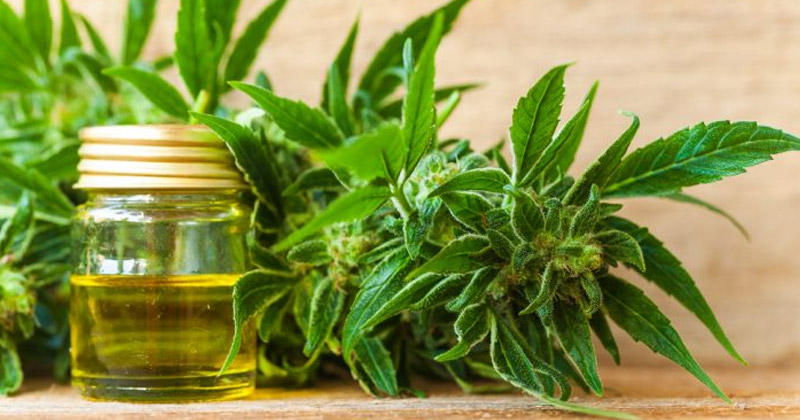
A World Health Organization conference is currently being held in Switzerland to decide the fate of CBD.
CBD is on the agenda of the 39th WHO Expert Committee on Drug Dependence (ECDD), which is taking place November 6–10 in Geneva. Sixteen psychoactive substances are on the agenda, including the cannabidiol (CBD). These 16 molecules or drugs (including tramadol) are being evaluated for their addictive potential, their potential for abuse, and their adverse health effects.
The recommendations resulting from this meeting will be forwarded to the United Nations, which will assess the need for and scope of potential regulations governing these substances, similar to the Convention on Psychotropic Substances the 1971 Convention, which is observed by all member countries, or the 1961 Convention, which classifies cannabis and cannabis resin in Schedule I of the Convention on Narcotic Drugs.
If the UN reclassifies CBD as a medical substance, its use will be restricted to the pharmaceutical industry, denying access to many patients who already struggle to find—or even produce themselves— effective derivatives (such as oil for childhood epilepsy).
Many activists are attending the WHO meeting, including representatives from the FAAAT initiative (Farid Ghéhiouèche, Kenzi Riboulet…) to speak directly during the meeting’s opening session and coordinate the remarks by Michael Krawitz (representative of U.S. veterans), Boris Banas (coordinator of the European Hemp Producers Association), and Raul Ellizalde (who will share his personal journey as a parent to save his daughter’s life).
Their ultimate goal will be to keep CBD off the list of controlled substances, just like a dietary supplement.
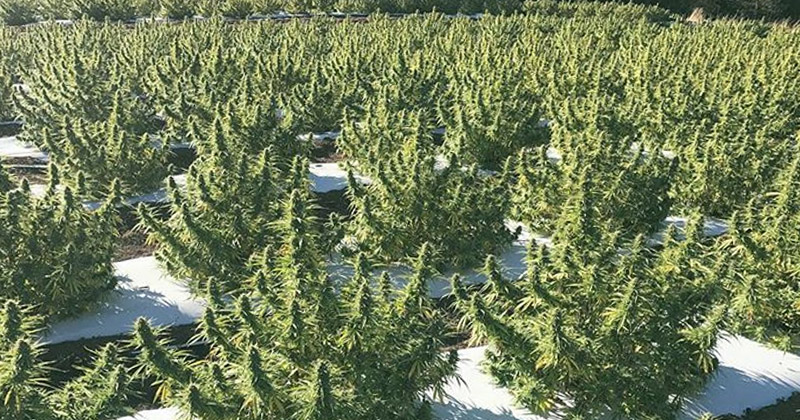
Currently in France, CBD is in a legal gray area. Many CBD-based products are on the market (oils, e-liquids, crystals, etc.), even though French hemp farmers are facing significant difficulties in extract CBD while remaining below the mandated THC threshold of 0.2%.
Even in industrial hemp crops, with standardized varieties, this threshold can be exceeded in the field. The extraction process also concentrates THC to levels above 0.2%. The CBD sold today in France, flowers included, so it comes mainly from abroad (Switzerland, the Czech Republic, China, etc.).
When it comes to marketing, French hemp growers are unable to use their hemp flowers, even though they contain the highest concentration of active ingredients. As a result, they are throwing away millions of euros in potential revenue.
In addition to these very important international debates—and that’s an understatement—on the future of CBD, the situation in France calls for a genuine moratorium on hemp farming to open up new possibilities for French farmers.




France’s Drug Policy Chief Defends Cannabis Prohibition... and Runs Into the Facts

Cannabis and the Adolescent Brain: French Scientists Make a Key Discovery

EFSA Gives Initial Approval for Synthetic CBD; Natural Extracts Still Pending

Federal Cannabis Reform Once Again on Hold in the United States

Contest: Win a trip to Quebec to experience the hemp harvest firsthand

Bedrocan on Hold Amid Uncertainty Over Medical Cannabis

Newsweed Launches Its Own AI
A new tax of 0.5% could disrupt the hemp industry in Canada

Medical Cannabis and Driving: New South Wales Ends Automatic Penalties for THC

China's Yongji Health Takes Control of Tasmanian Botanics
-
 Cannabis and driving3 weeks ago
Cannabis and CBD: French Drivers Can Now Lose Their License Even Without a Positive Test Result
-

 Cannabis in France1 week ago
Which countries legalized medical cannabis before France?
-
Cannabis in France4 weeks ago
Cannabis Legalization: The LFI Bill Has a Major Problem—THC
-
Cannabis in the Netherlands3 weeks ago
One year after the launch of the Dutch cannabis experiment, the first trends are emerging
-
Business1 week ago
South Korea is preparing to begin local production of medical cannabis to meet rising demand
-
Cannabis in Thailand1 week ago
From the boom in dispensaries to a purely medical approach: Thailand is revising its cannabis policy
-
Cannabis in Argentina2 weeks ago
Argentina Opens Its Market to Hemp Flowers Containing 1% of THC
-
Cannabis in France3 weeks ago
French medical cannabis remains stalled at the Ministry of Health
















You must be logged in to post a comment Login