
Hemp
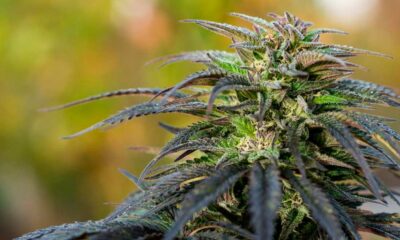
Hemp is cannabis, more specifically Cannabis sativa. It is generally considered to be cannabis with a low concentration of tetrahydrocannabinol (THC). Some people use hemp - or more commonly industrial hemp - to designate the ropes, fibers and other textiles created from the plant's stalks. In France, the cultivation of industrial hemp is legal throughout the country if it contains no more than 0.3 % of THC. Other countries have similar restrictions, but some like Switzerland and Costa Rica go as high as 1%.
The strictest definition of hemp is that it's the same as cannabis. But in the weed world, cannabis is generally considered to be varieties with a high THC content. In this context, the term hemp is sometimes used interchangeably with CBD, although they are not identical.
Cannabidiol (CBD) is the main cannabinoid in hemp, just as THC is the main cannabinoid in cannabis. Hemp contains up to 18% of CBD for 1% of THC, a much higher percentage than that found in the rest of cannabis. The CBD can have many beneficial effects, These include anti-inflammatory, antimicrobial, antibacterial, pain-relieving, anti-stress and anti-anxiety properties.
Buying hemp and CBD
If you want to try hemp-based products, perhaps for their health benefits, read labels carefully. If you're looking for CBD, make sure the product you're considering actually contains CBD, not just hemp.
On the other hand, if you're looking for the fiber, protein, vitamin E, potassium and magnesium found in hemp seeds or hemp seed oil, you don't need to look for CBD.
In all cases, check the contents of the label and make sure there are no additives or claims that the product will cure, treat or prevent a medical condition.
To learn more about CBD products, including how to use CBD, visit. our CBD section.







CBD is said to promote athletic recovery, without improving performance

294 cannabis clubs in Chile: a booming movement with uneven distribution

Chronic Sciatica: New York Approves First Clinical Trial of a THC-Based Medication

United States: The DEA is accelerating the integration of medical cannabis at the federal level

Florida is nearing one million patients using medical cannabis

Uruguay Revives Its Plan to Allow Tourists to Legally Access Cannabis

In Brazil, researchers are developing an innovative CBD eye drop

Autism: Medical Cannabis Is Linked to Reduced Anxiety

The $28 billion U.S. hemp market remains under threat

