
Genotype
The genetic makeup of an organism that determines its potential characteristics. In the case of cannabis, this includes the plant’s color, height, disease resistance, and overall ability to produce resin. A cannabis plant’s genotype is key to understanding the cultivar’s genetic potential and how environmental conditions can influence its growth and physical appearance.
Learn more about genotypes
Even before a plant begins to grow, its seed contains all the genetic information that will determine all of its possible visual, physical, and growth characteristics. The set of genetic characteristics contained in the DNA of a cannabis cultivar is called the genome. Although not all DNA influences a plant’s growth characteristics, all DNA that is translated into proteins constitutes a plant’s genome.
A genotype represents a spectrum of possibilities that a given plant will exhibit. Two different cannabis plants of the same cultivar, for example, will not have completely identical characteristics but will share similar genotypes inherited from their common parent plant. With the exception of clones, which contain exact copies of the original genome, no two plants have exactly the same genotype.
The Difference Between Genotypes and Phenotypes
How can plants with the same genotype exhibit different physical characteristics? The answer lies in the difference between a genotype and a phenotype, which can be summarized by this simple equation: genotype + environmental interaction = phenotype.
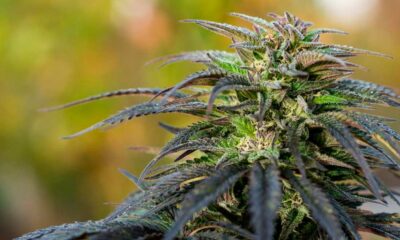
The phenotype of cannabis encompasses the visible characteristics or traits of a plant, which determine where a plant falls within its spectrum of genetic traits, as determined by the genome. The color and shape of a plant’s leaves, the density of its trichomes, the yield and structure of its buds, and the strength of its stems are all elements of a plant’s phenotype.
A plant’s physical characteristics are ultimately determined by the environmental conditions in which it is grown. This is why two clones with identical genotypes can have different phenotypes. If two clones If cuttings from the same plant are taken by two different growers and cultivated in different facilities, differences in climate, growing conditions, and other environmental factors will alter the color, shape, vigor, and yield of each plant, which, combined with the genotype of the original plant, will result in two distinct phenotypes.
The Difference Between Genotypes and Chemotypes
While the genotype determines the physical characteristics of the cannabis plant and the phenotype represents its observable traits after exposure to the environment, a plant’s chemotype represents its chemical characteristics—that is, its ratios of cannabinoids and terpenes. Cannabinoids are the compounds in cannabis responsible for the plant's euphoric and therapeutic effects, including tetrahydrocannabinol (THC) and cannabidiol (CBD). Terpenes provide the plant's aroma and flavor, and influence its effects by interacting with cannabinoids.
The proportion of cannabinoids, terpenes, and other metabolites present in the cannabis plant constitute its chemotype, which is also largely determined by the plant’s genome. This does not mean that the environment does not play a role in determining the phenotype of the cannabis plant. However, it is the plant’s genes that dictate the possible range of chemotypes the plant can produce under a given set of environmental conditions.
Essentially, the genome tells the plant: «If you are exposed to X nutrients and Y type of environment, you will produce Z chemical metabolites.» At the same time, two genotypes exposed to the same nutrients and the same environment will produce two different ratios of cannabinoids and terpenes. The chemotype develops in a much more consistent manner with the genome than the phenotype does.







CBD is said to promote athletic recovery, without improving performance

294 cannabis clubs in Chile: a booming movement with uneven distribution

Chronic Sciatica: New York Approves First Clinical Trial of a THC-Based Medication

United States: The DEA is accelerating the integration of medical cannabis at the federal level

Florida is nearing one million patients using medical cannabis

Uruguay Revives Its Plan to Allow Tourists to Legally Access Cannabis

In Brazil, researchers are developing an innovative CBD eye drop

Autism: Medical Cannabis Is Linked to Reduced Anxiety

The $28 billion U.S. hemp market remains under threat

