
Cannabis prevents and reduces the severity of COVID-19, while treating long-term symptoms, study finds

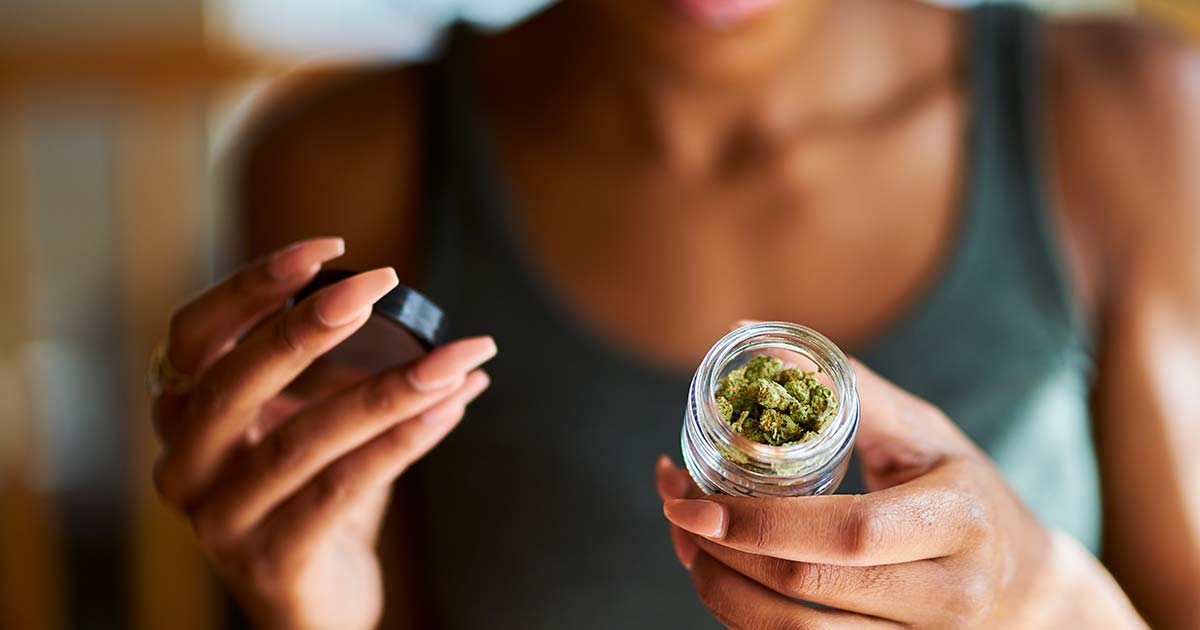
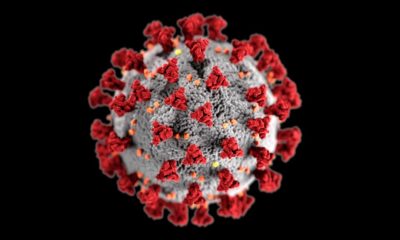
In a recent study conducted at Dalhousie University in Canada, scientists investigated the potential of cannabis and its compounds to reduce susceptibility to and the severity of COVID-19 infections.
The in-depth study, published in the Journal of Clinical Medicine, explores the preventive therapeutic properties of cannabinoids and their impact on the early and post-infectious stages of the virus.
According to the Dalhousie University study, cannabinoids have demonstrated their ability to prevent the virus from entering cells, reduce oxidative stress, and reduce the cytokine storm associated with early-stage COVID-19 infections. As indicated in the Journal of Clinical Medicine, «cannabinoids have the potential to be used as a preventive measure to reduce susceptibility to and the severity of COVID-19 infections,» by acting on several fronts to strengthen the body’s defense mechanisms
Long-term treatment for COVID
Beyond the acute phase of the infection, cannabinoids may also show promise in treating symptoms associated with long-haul COVID, such as anxiety, depression, insomnia, pain, and loss of appetite.
It is consistent with the findings of another study based on hospital data, which found that cannabis users with COVID-19 had lower rates of intubation, respiratory failure, and death than non-users.
Despite the optimistic outlook, researchers at Dalhousie University are quick to point out the limitations of their findings. The lack of standardization in cannabis products and potential variations in how cannabinoids affect different age groups are recognized challenges.
The authors also emphasize the importance of continuing research—particularly through clinical trials and well-designed studies—to understand the underlying mechanisms, optimal doses, dosing regimens, and potential side effects associated with the modulation of endocannabinoid system in the context of viral infections.
According to the study, «To fully understand the efficacy and safety of cannabinoid-based medications in the context of COVID-19, further research is needed.» This cautious approach underscores the need for a comprehensive understanding of the therapeutic potential of cannabinoids and the modulation of the endocannabinoid system in the onset and persistence of COVID-19 symptoms.
Other research on cannabis and COVID
In October 2022, a study based on hospital data suggested that cannabis users exhibited lower rates of severe COVID-19-related outcomes.
In addition, a laboratory study conducted in 2022 by Oregon State University highlighted the the potential of certain cannabinoids to block the virus to penetrate human cells. However, it is important to note that this latest study focused on specific cannabinoids under controlled laboratory conditions and did not take into account patients’ own cannabis use, as UCLA doctors pointed out.
A Canadian study also found that certain cannabinoids, CBDa and CBGa, prevented Covid infection.

















Medical Cannabis: 14 Organizations Finally Call for Enforcement of the Law

One year after the launch of the Dutch cannabis experiment, the first trends are emerging

High Ground: The Crash of a Plane Full of Marijuana That Made History in Yosemite

The United Kingdom Is Moving Closer to a Regulated CBD Market

Mexico's Supreme Court Authorizes Cannabis-Infused Edibles for Personal Use

French medical cannabis remains stalled at the Ministry of Health

Things are heating up between Sherbinski and Doja

Cookies Ordered to Pay $61.5 Million in a Dispute with Its Investors

Frenchfarm is launching its B1G1 clearance sale + free gift

Czech Republic: CBD shops selling synthetic cannabinoids are in the police's crosshairs
-
 Cannabis and driving6 days ago
Cannabis and CBD: French Drivers Can Now Lose Their License Even Without a Positive Test Result
-
Cannabis in France1 week ago
Cannabis Legalization: The LFI Bill Has a Major Problem—THC
-
Cannabis in Europe2 weeks ago
Andorra Paves the Way for Medical Cannabis Cultivation
-

 Cannabis in the Netherlands18 hours ago
One year after the launch of the Dutch cannabis experiment, the first trends are emerging
-
Cannabis in France2 weeks ago
Drought: Could Hemp Become the New Hope for French Farmers?
-
Business21 hours ago
The United Kingdom Is Moving Closer to a Regulated CBD Market
-
Cannabis in France2 days ago
French medical cannabis remains stalled at the Ministry of Health
-
Cannabinoids2 weeks ago
What if CBD enhanced the effects of THC? A comprehensive analysis challenges a common misconception












You must be logged in to post a comment Login