
Brazil struggles to define its rules for the cultivation of medical cannabis

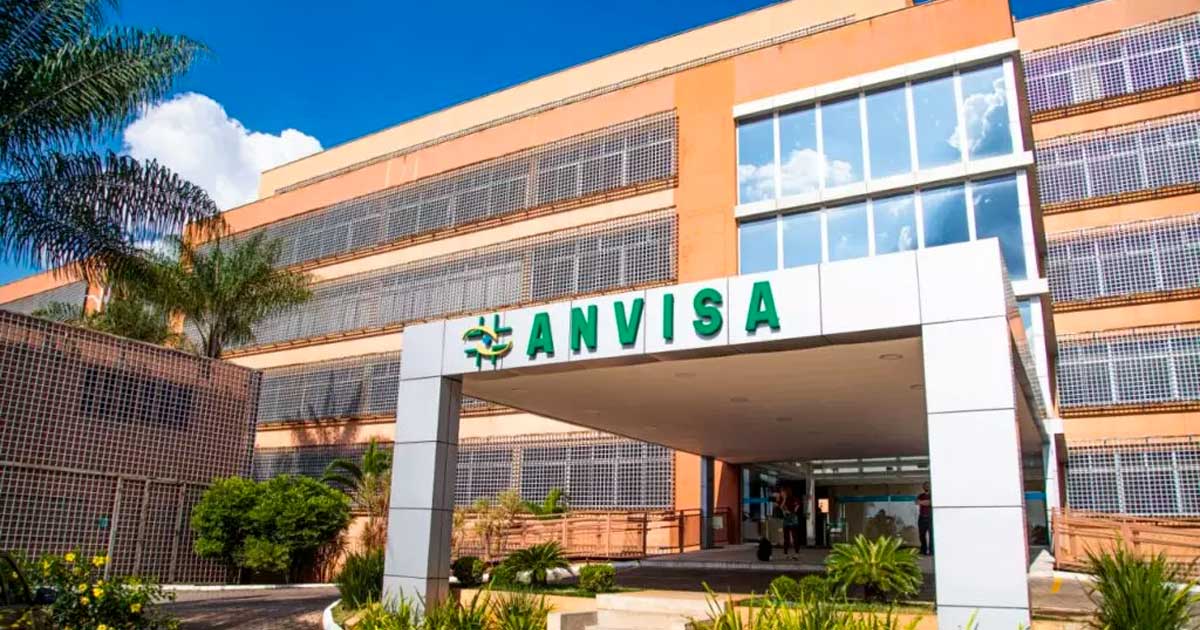
Almost a year after the Superior Court of Justice (STJ) Brazil ordered the government to regulate the cultivation of cannabis for medical and pharmaceutical purposes, the process remains at a standstill.
L’National Health Surveillance Agency (ANVISA) once again asked for more time, admitting that it was not not in a position to finalize the regulatory framework within the time limit set by the court.
At the 16th public meeting of the agency's collegial council, held on October 8, 2025, the director-rapporteur Thiago Campos presented an update on work in progress. He emphasized that ANVISA is coordinating its efforts with the Attorney General's Office (AGU) and several ministries, including those of health and agriculture, to draw up regulations «.« technical, safe and legally stable ».
However, Mr. Campos acknowledged that the process had proved much more complex than expected, particularly on sensitive issues such as the THC limit for cultivated plants.
«We must avoid a regulatory cap on THC that would make research and drugs already authorized by ANVISA with higher levels unviable. The debate must be based on scientific evidence, not moral perceptions,» he said.
The THC threshold, which determines the boundary between industrial hemp and other cannabis varieties, remains a controversial subject. The 2024 STJ ruling defined hemp as containing less than 0.3% THC and affirmed that companies could obtain permission to grow and process it for medical and pharmaceutical purposes.
AGU appeal: more time, more dialogue
At the end of September, the’AGU officially asked the court for an extension of 180 days to present the complete regulatory framework. The agency argued that the development of comprehensive rules requires a broad dialogue with civil society and a regulatory impact assessment complete.
This request follows the rejection of a previous extension request. The STJ must now decide if it allows more time to finalize a regulation that will cover all aspects, from the’seed import to the cultivation, processing and marketing cannabis-derived products.
This delay is frustrating many members of the medical community. More than 670,000 Brazilian patients are already using cannabis-based medicines to treat illnesses such as’epilepsy, multiple sclerosis and chronic pain. Advocates argue that local cultivation could reduce costs and improve access, as most products are currently "sold out". imported and remain financially inaccessible for many families.
Civil society and science push for inclusion
In response to the court's request, ANVISA launched a series of consultations with research institutes and patient groups. These included’Embrapa, Brazilian Agricultural Research Society, who discussed how agronomic research could support technological development in cannabis cultivation.
Another meeting brought together patient associations and family groups advocating domestic production. Pedro Sabaciauskis, president of the association Santa Cannabis of Santa Catarina, recalled that there was «this recognition» of national production, a movement launched by associations«. He insists that any regulations »must take account of associations and not give priority to companies«.
Despite these efforts, experts point to a lack of unity among pro-cannabis movements. According to psychologist Cauê Pinheiro, director of the Cannabis Association Florescer (Acaflor) in João Pessoa, «there are associations of different sizes, with different demands, which calls for global regulation». He points out that access to cannabis flowers and other non-pharmaceutical formats remains limited to a handful of organizations.
Towards a Brazilian cannabis model
The regulatory debate is not just a technical one; it reflects the evolution of Brazil's social and legal landscape. At the beginning of the year, the Federal Supreme Court (STF) reaffirmed that possession of 40 grams of cannabis for personal use was not to be considered a criminal offence. In addition, the STJ's 2024 decision paved the way for the industrial hemp cultivation, breaking a historic taboo dating back to the country's first anti-cannabis law passed in 1830.
For Thiago Campos, Brazil is taking «an important step towards creating its own regulatory framework for the cultivation of medical cannabis», which could reduce dependence on imports and stimulate domestic research and innovation.
In the coming weeks, ANVISA is set to consolidate technical and legal contributions before submitting the project for public consultation. The regulations should also define traceability and control mechanisms to guarantee safety and compliance.
If successful, this framework could finally enable Brazil to join the medical cannabis cultivation in its public health and research systems, turning a long legal battle into a new chapter for science, patients and industry.


















CBD is said to promote athletic recovery, without improving performance

294 cannabis clubs in Chile: a booming movement with uneven distribution

Chronic Sciatica: New York Approves First Clinical Trial of a THC-Based Medication

United States: The DEA is accelerating the integration of medical cannabis at the federal level

Florida is nearing one million patients using medical cannabis

Uruguay Revives Its Plan to Allow Tourists to Legally Access Cannabis

In Brazil, researchers are developing an innovative CBD eye drop

Autism: Medical Cannabis Is Linked to Reduced Anxiety

The $28 billion U.S. hemp market remains under threat

Jamaica Eases Small Farmers' Access to the Cannabis Market
-
 Business6 days ago
The legal cannabis market in New York exceeds 4 billion $ in revenue
-

 Cannabis in France2 weeks ago
Which countries legalized medical cannabis before France?
-
Business2 weeks ago
South Korea is preparing to begin local production of medical cannabis to meet rising demand
-
Cannabis in the Netherlands4 weeks ago
One year after the launch of the Dutch cannabis experiment, the first trends are emerging
-
Cannabis in Thailand2 weeks ago
From the boom in dispensaries to a purely medical approach: Thailand is revising its cannabis policy
-
Cannabis in France4 weeks ago
French medical cannabis remains stalled at the Ministry of Health
-
Cannabis in Argentina3 weeks ago
Argentina Opens Its Market to Hemp Flowers Containing 1% of THC
-
Cannabis and driving2 weeks ago
Medical Cannabis and Driving: New South Wales Ends Automatic Penalties for THC















You must be logged in to post a comment Login