
Brazil authorizes the cultivation of medical cannabis by patient associations


On January 28, the collegial council of the’Anvisa, the country's national health monitoring agency, has approved a series of regulatory changes that broaden patient access, redefine culture rules and officially recognize the role of patient associations.
This decision is in line with a recent ruling by the French Superior Court of Justice (STJ) and marks one of the most comprehensive updates of the Brazilian cannabis regulatory framework to date.
The new resolution authorizes the individualized compounding of cannabidiol products in pharmacies, allows for a broader therapeutic use of products with a high THC content, and paves the way for cannabis cultivation for medical and scientific purposes.
Cultivation rules and association recognition
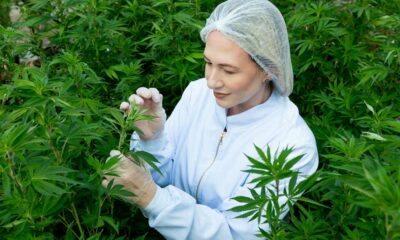
For the first time, Brazil has set clear standards for the large-scale cultivation of cannabis for medical and scientific purposes. Pharmaceutical and research companies will be allowed to cultivate plants containing up to 0.3% of THC, in accordance with STJ decision which excluded low-THC cannabis from the scope of national narcotics law.
Culture through patient associations, who have long been operating in a legal grey zone, will take a different route. Rather than granting a blanket authorization, Anvisa will issue public calls to select non-profit associations to participate in a phase of «controlled testing». This regulatory sandbox model allows the agency to closely supervise production, collect data and assess the health feasibility of small-scale, non-industrial cultivation.
The associations selected will have to meet strict safety, traceability and quality standards, from seed to delivery to the patient. These rules will initially be valid for five years, which means that will give Anvisa the time assess whether and how the production carried out by the associations can be permanently integrated into the national regulatory system.
Greater access to treatments and formulations
Patient access to medical cannabis will also be expanded. Compounding pharmacies are now authorized to dispense cannabis products on personalized medical prescriptions, a measure that should reduce costs and improve continuity of treatment. Anvisa has also expanded the list of approved routes of administration, adding dermatological, sublingual, buccal and nasal routes to the existing oral and inhalation options.
Another major change concerns THC thresholds. Previously, treatments containing more than 0.3% THC were reserved for terminally ill or palliative patients. Under the new rules, access is extended to patients with serious and disabling illnesses, considerably widening the therapeutic field for chronic and complex diseases.
On the industrial front, Anvisa now authorizes the import of Cannabis plants and extracts for pharmaceutical production in Brazil. This measure could help reduce dependence on imported finished products, and ultimately lower prices for patients.
Legal implications and criminal cases
Anvisa Order 344 also removes Cannabis containing up to 0.3 % THC from the list of prohibited substances. According to local experts, this change could have a direct impact on ongoing criminal cases against association leaders accused of drug trafficking for producing and distributing medicines. With low-THC cannabis no longer classified as prohibited, the legal basis for many prosecutions could be called into question.
Anvisa president Leandro Safatle acknowledged that the patient associations have filled the gaps left by the state and the market, guaranteeing access to thousands of families. The new regulations, he said, aim to lift these groups out of a situation of permanent legal vulnerability.
Beyond patient access and culture, Anvisa has also approved a framework dedicated to the cannabis research. Universities and research institutes will be authorized to work with plants containing more than 0.3 % THC, provided the material is legally imported and subject to maximum safety requirements. Marketing and direct distribution to patients will remain prohibited.





















CBD is said to promote athletic recovery, without improving performance

294 cannabis clubs in Chile: a booming movement with uneven distribution

Chronic Sciatica: New York Approves First Clinical Trial of a THC-Based Medication

United States: The DEA is accelerating the integration of medical cannabis at the federal level

Florida is nearing one million patients using medical cannabis

Uruguay Revives Its Plan to Allow Tourists to Legally Access Cannabis

In Brazil, researchers are developing an innovative CBD eye drop

Autism: Medical Cannabis Is Linked to Reduced Anxiety

The $28 billion U.S. hemp market remains under threat

Jamaica Eases Small Farmers' Access to the Cannabis Market
-
 Business6 days ago
The legal cannabis market in New York exceeds 4 billion $ in revenue
-

 Cannabis in France2 weeks ago
Which countries legalized medical cannabis before France?
-
Business2 weeks ago
South Korea is preparing to begin local production of medical cannabis to meet rising demand
-
Cannabis in the Netherlands4 weeks ago
One year after the launch of the Dutch cannabis experiment, the first trends are emerging
-
Cannabis in Thailand2 weeks ago
From the boom in dispensaries to a purely medical approach: Thailand is revising its cannabis policy
-
Cannabis in France4 weeks ago
French medical cannabis remains stalled at the Ministry of Health
-
Cannabis in Argentina3 weeks ago
Argentina Opens Its Market to Hemp Flowers Containing 1% of THC
-
Cannabis and driving2 weeks ago
Medical Cannabis and Driving: New South Wales Ends Automatic Penalties for THC

















cbdtech
2 February 2026 at 10 h 54 min
This decision by Anvisa is a major turning point for the right to healthcare. By formalizing the role of associations, Brazil finally recognizes that these local structures are the last bastion against therapeutic insecurity.
The introduction of this ‘regulatory sandbox’ is a pragmatic method: it provides legal certainty for patients and association managers, while guaranteeing strict quality control. It's a model of balance between health security and solidarity-based access, which could inspire other nations still hesitant about regulated culture.