
The controversial launch of the Bob Marley cannabis brand

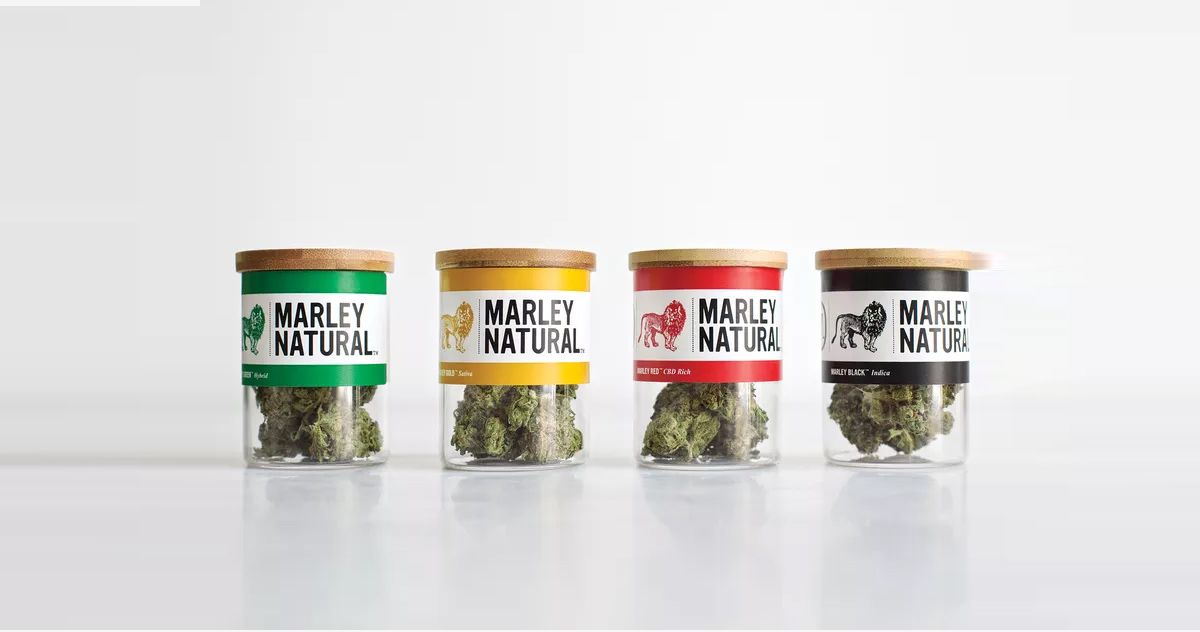
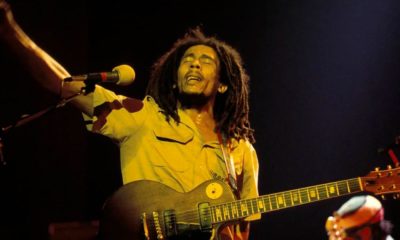
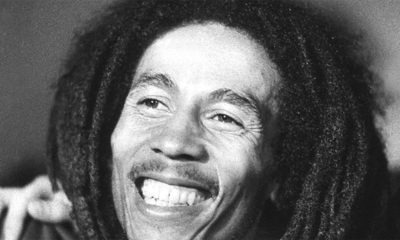
Marley Natural, a New York-based cannabis startup funded by Silicon Valley capital, has been selling four strains of cannabis featuring the colors of the iconic reggae and anti-capitalist figure in California dispensaries since last Friday Bob Marley. Bob Marley products should soon be available in other U.S. states where cannabis has been decriminalized, and nationwide for hemp-based beauty products and other items smoking accessories,
Marley Natural, funded by Privateer Holdings, a private equity firm based in Seattle, had announced as early as 2014 that it had reached an agreement with the Marley family to use Bob’s image for 30 years on cannabis products. Privateer raised $75 million, with some high-profile investors such as Peter Thiel, one of the first backers from Facebook. Markey Natural positions itself as a «global cannabis brand» that embodies Rastafarian values, but the startup has already drawn significant criticism, particularly for capitalizing on Jamaican culture without actually helping the island.
The cannabis brand has announced four strains of weed and oil (Marley Green, Red, Gold, and Black), each with a specific effect. Marley Green is described as a hybrid strain «suitable for any time of day,» while patients seeking «a more physical, deeply sensory experience» are encouraged to try the indica strain Marley Black. The cannabis has been available since Friday at three dispensaries in California for 50$ per 3.5g, and the cannabis oil, to be used with a spray, sold as 40$ in 500mg packs. The four varieties are grown in California without pesticides and can be smoked using the Bob Marley pipe, which is made from sustainably grown American black walnut. According to the company, this is the only method of consumption that Bob would have approved.
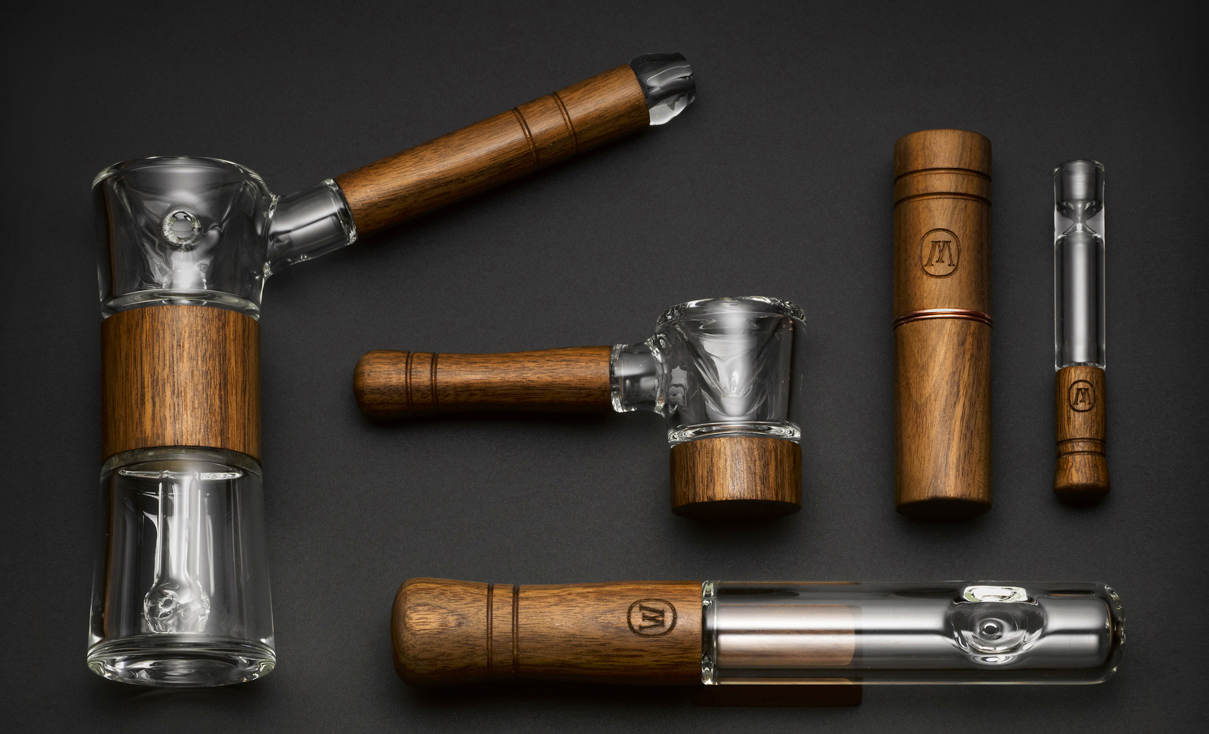
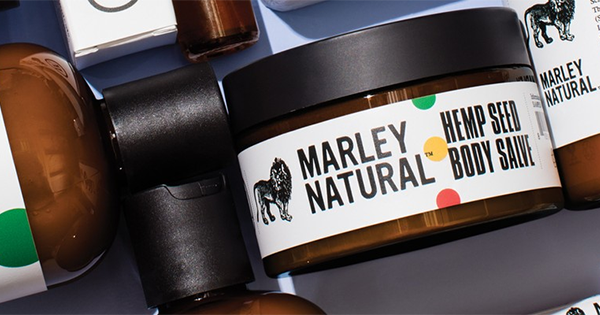
Marley Natural Accessories
This launch joins the ranks of other cannabis brands that are capitalizing on the popularity of celebrities—both living and deceased—and seeking their share of a an industry now worth more than 5 billion dollars. Willie Nelson, Snoop Dogg, and recently Wiz Khalifa already lend their names to cannabis products. Bob Marley embodies cannabis more than anyone else, singing and speaking at length about the plant’s spiritual and healing powers. Marley Natural believes that its products will help spread its message, even through its traditional line of cannabis seed-based skincare products.
The only problem: Bob Marley was a staunch opponent of the evils of capitalism and imperialism, which makes the partnership with Privateer rather awkward. It was, of course, inevitable that a brand would want to capitalize on Bob Marley’s legacy in the cannabis industry, just as there are already coffee shops, ice cream, and headphones bearing the star’s image.
«Given Marley’s anti-capitalist and anti-establishment identity, the idea of having a company that evokes the name of pirates—and a negative tradition of imperialist aggression… sends the wrong message,» says Mike Alleyne, a professor specializing in the music industry and author of an encyclopedia of reggae, in which he discusses, among other things, the commodification of Marley’s name. «I don’t know if anyone involved in the process thought about that, but it’s not a good foundation for the company.».
The company has also been accused of appropriating Rastafarian culture without providing any direct benefit to Jamaica. Marley Natural She says, however, that she spent a considerable amount of time with Jamaicans and the Marley family to recreate the kind of variety the singer loved, and launched a philanthropic program to encourage the development of sustainable business on the island.
Former members of the Wailers, such as Bunny Wailer, are directly opposed to Marley Natural, saying that Bob was not as supportive of cannabis legalization as the other members of the Wailers, including himself and Peter Tosh. «Only a Jamaican company that includes local stakeholders—the Rastafari community, ganja farmers, doctors, and local investors—should be allowed to use a brand that represents Jamaica,» the musician adds.
Jamaica relaxed its restrictions on marijuana last year, decriminalizing small amounts of cannabis and allowing Rastafarians to use the drug for religious purposes. Lawmakers are now considering establishing a legal framework to authorize medical cannabis, which is currently hindering the development of an industry that could quickly benefit the island. Locals are also concerned that the issue is becoming more about big money than about helping Jamaicans and Rastafarians.











Jamaica Eases Small Farmers' Access to the Cannabis Market

Faced with resistance from Aurora, Curaleaf raises its offer by 25%

Massachusetts: 71.1% of voters want to keep cannabis legal

All Our Tips for Finding a Reliable CBD Store

Uncertainty surrounding Bedrocan threatens the supply of medical cannabis flowers to Danish patients

"Light" Cannabis in Italy: The ban on hemp flowers will be delayed until February 2027 pending a ruling by the Constitutional Court

The legal cannabis market in New York exceeds 4 billion $ in revenue

France’s Drug Policy Chief Defends Cannabis Prohibition... and Runs Into the Facts

Cannabis and the Adolescent Brain: French Scientists Make a Key Discovery

EFSA Gives Initial Approval for Synthetic CBD; Natural Extracts Still Pending
-
 Cannabis and driving4 weeks ago
Cannabis and CBD: French Drivers Can Now Lose Their License Even Without a Positive Test Result
-

 Cannabis in France2 weeks ago
Which countries legalized medical cannabis before France?
-
Cannabis in France4 weeks ago
Cannabis Legalization: The LFI Bill Has a Major Problem—THC
-
Business2 weeks ago
South Korea is preparing to begin local production of medical cannabis to meet rising demand
-
Cannabis in the Netherlands3 weeks ago
One year after the launch of the Dutch cannabis experiment, the first trends are emerging
-
Cannabis in Thailand2 weeks ago
From the boom in dispensaries to a purely medical approach: Thailand is revising its cannabis policy
-
Cannabis in Argentina3 weeks ago
Argentina Opens Its Market to Hemp Flowers Containing 1% of THC
-
Cannabis in France3 weeks ago
French medical cannabis remains stalled at the Ministry of Health













You must be logged in to post a comment Login