

Winston Hubert McIntosh, known as Peter Tosh, was born on October 19, 1944 in Grange Hill, Jamaica. Fatherless and raised by an uncle in Kingston, he grew up in the poverty of the Jamaican capital's slums before meeting Bob Marley and Bunny Wailer in the early 1960s.
In 1963, Peter Tosh co-founded the Wailers with Bob Marley and Bunny Wailer, a group that would become one of the most influential in world music history. Within the group, Tosh plays guitar and shares vocals with Marley, bringing a harder, more politically radical dimension to the band's music.
His relationship with Bob Marley is complex: the two men respect each other deeply, but their visions gradually diverge. Tosh was more combative, more militant, less inclined towards the message of universal love for which Marley was world-renowned. He left the Wailers in 1974 to pursue a solo career.
In 1976, Peter Tosh released Legalize It, an album whose eponymous track became the worldwide anthem of the cannabis legalization movement. The song is direct, without metaphor. It explicitly calls for the legalization of cannabis and lists its medical and recreational uses. The album was immediately banned from Jamaican radio, which only amplified its underground impact.
Peter Tosh was one of the first artists to publicly and explicitly champion the cause of cannabis legalization, long before it became politically acceptable. He consumes and promotes cannabis as a Rastafarian sacrament and a tool of political resistance against the established order.
Peter Tosh was arrested several times in Jamaica for possession of cannabis. In 1978, at the One Love Peace Concert organized in Kingston to reconcile rival political factions - and attended by Bob Marley and the Wailers - Peter Tosh took the floor before the Jamaican Prime Minister and the leader of the opposition to demand the legalization of cannabis, a remarkable gesture of political defiance.
He was severely beaten by the Jamaican police on several occasions, traumatic experiences that he documented in his songs and interviews with a frankness that earned him as many admirers as enemies.
On September 11, 1987, Peter Tosh was murdered at his home in Kingston, Jamaica. Three armed men burst into his home, demanded money and opened fire when Tosh refused to cooperate. He was killed instantly at the age of 42. Two other people in the house were also killed, and several others injured.
The main culprit, Dennis «Leppo» Lobban, an old friend of Tosh's, was arrested, tried and sentenced to death - a sentence later commuted to life imprisonment. The exact motives for the crime remain partly obscure, involving theft, personal score-settling and possibly political dimensions that have never been fully elucidated.
Peter Tosh left behind a considerable body of musical and activist work, and remains a key figure in roots reggae and the global Rastafari movement.
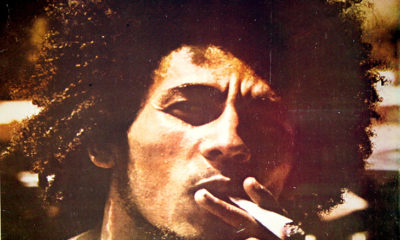

Do a test: say «Bob Marley» to the person next to you. They'll probably answer «reggae» or «cannabis». An obvious association, since...


Musician Bunny Wailer died on March 2 at the age of 73. Bunny Wailer, born Neville Livingston, was a founding member of the Wailers,...
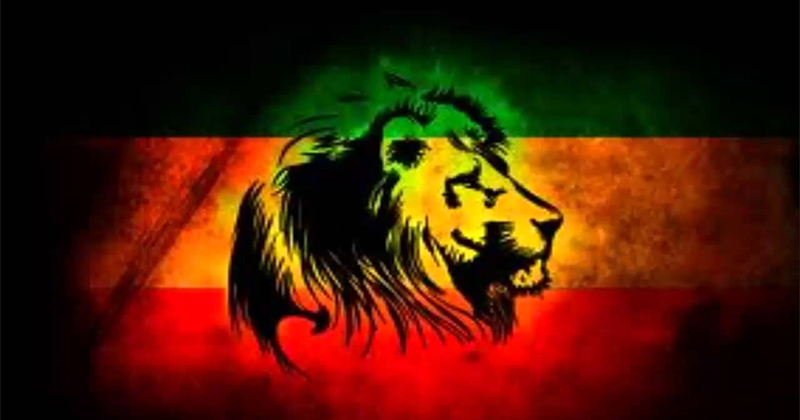
When it comes to reggae, the subject of cannabis figures prominently in the lyrics. In the Rasta religion, cannabis is...




