
Bègles unveils its experimental cannabis legalization project

The city of Bègles announced yesterday during a public meeting its pilot project to legalize cannabis.
Based on the observation that traditional prohibitionist approaches have failed to reduce cannabis use and the problems associated with it—such as trafficking and public health issues—the initiative proposes a three-pronged approach focused on prevention, harm reduction, and support for cannabis users.
It aims to address the shortcomings of the current illegal market by establishing a regulated framework for the consumption and sale of cannabis. The bill, compiled in a booklet, is guided by several key objectives:
- International Perspective: Given the changing attitudes toward cannabis around the world, the project aims to align with evolving international standards regarding cannabis legalization, while complying with EU legislation on narcotics.
- National impact: Since France has high rates of cannabis use despite strict laws, the project aims to provide an alternative approach that reduces the negative consequences associated with prohibition.
- Local relevance: Bègles, located in a region with high levels of cannabis use, aims to become a pioneer in public health innovation by implementing a comprehensive strategy that encompasses prevention, harm reduction, and community support.
A pilot program like the Swiss pilot tests
The project’s objectives are ambitious: they aim to have a positive impact on consumer health, reduce public nuisances associated with illicit drug markets, ease the burden on law enforcement and the judicial system, stimulate economic opportunities in agriculture, and improve the government’s fiscal outlook through tax revenues generated by the legalization of sales.
The experimental approach was meticulously developed based on international experience, in particular, the Swiss approach to pilot tests, and expert consultations. It involves rigorous oversight by several bodies, including a steering committee, a scientific council, and a democratic monitoring committee, thereby ensuring a democratic and inclusive decision-making process.
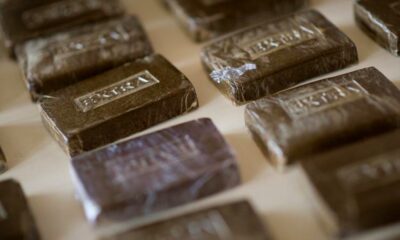
The controlled legalization model proposed in Bègles is designed to address the specific challenges observed in other countries where cannabis has been legalized, such as increased consumption among adults and cases of intoxication from edible products. The proposal calls for selling only cannabis flowers [Editor's note: In contrast to the widespread use of medical cannabis in France] thus excluding hash and stronger products such as extracts, or products that take longer to take effect, such as edibles.
Product prices are not specified, but are expected to be 10% lower than the average selling prices on the black market.
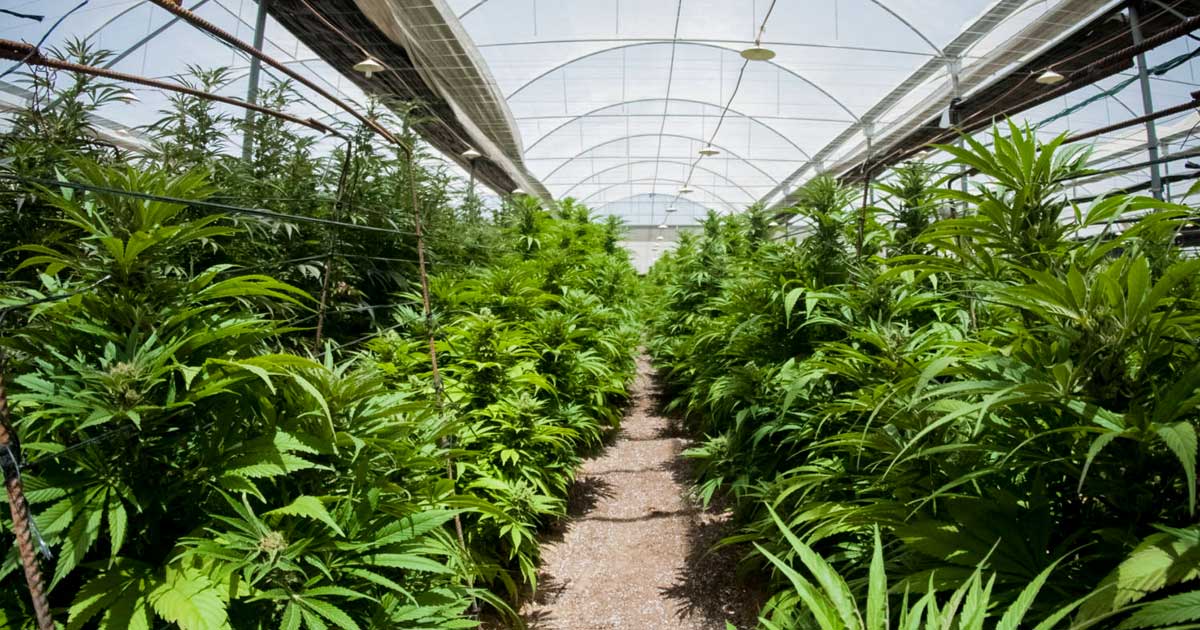
The pilot program will be limited to 100 adults who already use cannabis. It will include a dedicated facility of at least 100m², open 6 days a week for 7 hours a day, and production by private partners capable of growing cannabis. The maximum cultivation area is estimated at 600m². The cultivation method has not been determined; the pilot program proposal mentions open-field cultivation and a cultivation frequency of once a year. The number of plants to be grown must not exceed 200 plants per 100 members. In terms of the budget, agricultural costs are estimated at €10,000, while the total cost of the pilot project is estimated at €672,250.
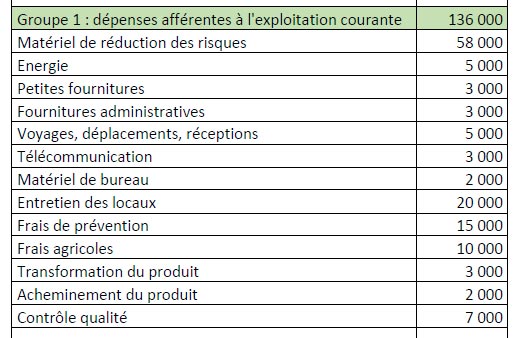
Expenses Related to Day-to-Day Operations
The pilot program would be evaluated annually, focusing in particular on attendance, the quantity of products purchased, and the prevention initiatives carried out.
For the pilot program to move forward, national authorization must be granted. This authorization may be legislative (a law or section of a law) or regulatory (a decree signed by the Council of State). To facilitate the legislative process, the Bègles City Council has already proposed the text of the bill to be adopted. It will submit its draft to the President of the Republic and the Prime Minister, hoping to soon secure a law that will allow this pilot program to proceed.





















CBD is said to promote athletic recovery, without improving performance

294 cannabis clubs in Chile: a booming movement with uneven distribution

Chronic Sciatica: New York Approves First Clinical Trial of a THC-Based Medication

United States: The DEA is accelerating the integration of medical cannabis at the federal level

Florida is nearing one million patients using medical cannabis

Uruguay Revives Its Plan to Allow Tourists to Legally Access Cannabis

In Brazil, researchers are developing an innovative CBD eye drop

Autism: Medical Cannabis Is Linked to Reduced Anxiety

The $28 billion U.S. hemp market remains under threat

Jamaica Eases Small Farmers' Access to the Cannabis Market
-
 Business5 days ago
The legal cannabis market in New York exceeds 4 billion $ in revenue
-
Cannabis and driving4 weeks ago
Cannabis and CBD: French Drivers Can Now Lose Their License Even Without a Positive Test Result
-

 Cannabis in France2 weeks ago
Which countries legalized medical cannabis before France?
-
Business2 weeks ago
South Korea is preparing to begin local production of medical cannabis to meet rising demand
-
Cannabis in the Netherlands4 weeks ago
One year after the launch of the Dutch cannabis experiment, the first trends are emerging
-
Cannabis in Thailand2 weeks ago
From the boom in dispensaries to a purely medical approach: Thailand is revising its cannabis policy
-
Cannabis in France4 weeks ago
French medical cannabis remains stalled at the Ministry of Health
-
Cannabis in Argentina3 weeks ago
Argentina Opens Its Market to Hemp Flowers Containing 1% of THC















Lygelll
11 April 2024 at 7:34 p.m.
That's some great news!!
It's so obvious that the figures provided are
just there to brag about being Freemasons.
36 is 666; 58 is the magicians; 55 is SATAN in gematria; ;
33 It is Freemasonry and so many other things, including the fallen angels; ;
23 is Skull and Crossbones (Club 322), and finally, 15 is the
the foundation of the so-called "Enlightened Ones," not to mention 25, which is analogous to 69!
How could you miss that? ;D
Chantal
13 April 2024 at 10:06 a.m.
Umm, go get a glass of water, Lygelll.