No study on cannabis? Over 30,000 scientific articles published in 10 years

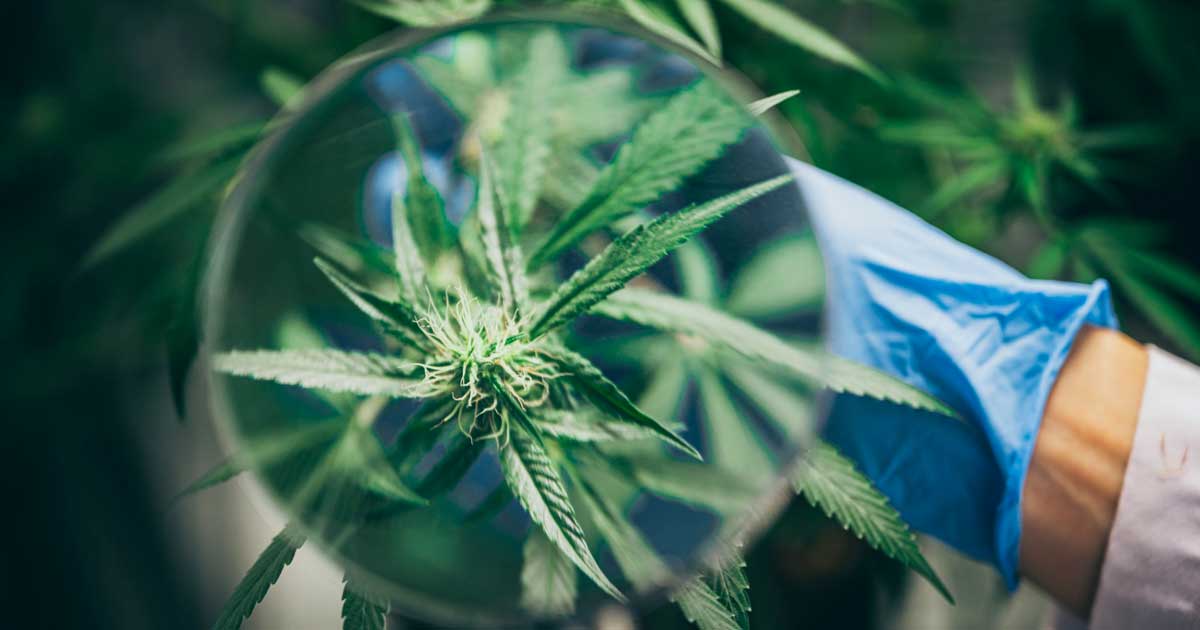
In recent years, the scientific community's interest in cannabis has grown, with researchers worldwide publishing an impressive number of studies on the plant's active ingredients and their effects.
Contrary to claims of a lack of scientific studies, the National Library of Medicine/PubMed.gov reveals a remarkable increase in the number of studies on cannabis.
A simple keyword search on PubMed.gov shows that researchers have published over 4,000 scientific articles on cannabis each of the last three years. Since the beginning of 2013, 32,000 scientific articles have been published, an unprecedented surge of interest. More than 70 % of all peer-reviewed scientific articles on cannabis have been published in the last ten years, and more than 90% of this literature has emerged since 2002.
This substantial increase is not simply a statistical trend, but reflects a profound change of direction. Researchers are not only exploring the therapeutic potential of cannabis, they are also studying the practical effects of cannabis regulations around the world.
Contradictory results
The proliferation of cannabis research is obvious, not all conclusions are the same. An Australian study, for example, calls into question the idea that cannabis helps reduce opioid dependence. Spanning two decades and involving over 600 heroin addicts, the study found no conclusive evidence of a link between cannabis use and reduced consumption of illicit opioids, highlighting the complexity of interactions between substances and the need for nuanced discussions on the role of cannabis in the treatment of addiction.
Another study looks at the psychedelic effects of cannabis. Contrary to popular belief, the research suggests that cannabis with a high THC can induce psychedelic experiences, This challenges the perception that cannabis has no such properties. The study therefore proposes to explore high-THC cannabis as a potential adjunctive treatment for psychiatric disorders.
Implications for politics and society
The wealth of scientific literature on cannabis should have profound implications for policymakers and society as a whole. In light of these numerous studies, Paul Armentano, deputy director of the pro-reform organization NORML, call urgently to evidence-based discussions. Policymakers need to move away from the outdated «what we don't know» perspective and adopt a more informed approach to cannabis reform.
The conflicting results also underline the need for a nuanced understanding of the effects of cannabis. Oversimplified narratives can hinder real, broad knowledge of cannabis' effects and distort public perception.





















Bedrocan Finally Declared Bankrupt

After CBD, Can Wellness Exist Without Cannabinoids?

Uganda Launches a Cooperative Dedicated to Medical Cannabis

Ukraine: First Cancer Patient Prescribed Medical Cannabis

Cannabis Oil and Endometriosis: A Promising Study for Pain Relief

CBD is said to promote athletic recovery, without improving performance

294 cannabis clubs in Chile: a booming movement with uneven distribution

Chronic Sciatica: New York Approves First Clinical Trial of a THC-Based Medication

United States: The DEA is accelerating the integration of medical cannabis at the federal level

Florida is nearing one million patients using medical cannabis
-
 Business1 week ago
The legal cannabis market in New York exceeds 4 billion $ in revenue
-

 Cannabis in France3 weeks ago
Which countries legalized medical cannabis before France?
-
Business3 weeks ago
South Korea is preparing to begin local production of medical cannabis to meet rising demand
-
Cannabis in the Netherlands4 weeks ago
One year after the launch of the Dutch cannabis experiment, the first trends are emerging
-
Cannabis in Thailand3 weeks ago
From the boom in dispensaries to a purely medical approach: Thailand is revising its cannabis policy
-
Cannabis and driving2 weeks ago
Medical Cannabis and Driving: New South Wales Ends Automatic Penalties for THC
-
Cannabis in France4 weeks ago
French medical cannabis remains stalled at the Ministry of Health
-
Cannabis in Argentina4 weeks ago
Argentina Opens Its Market to Hemp Flowers Containing 1% of THC

















You must be logged in to post a comment Login