
Will Germany end reimbursement for medical cannabis flowers?

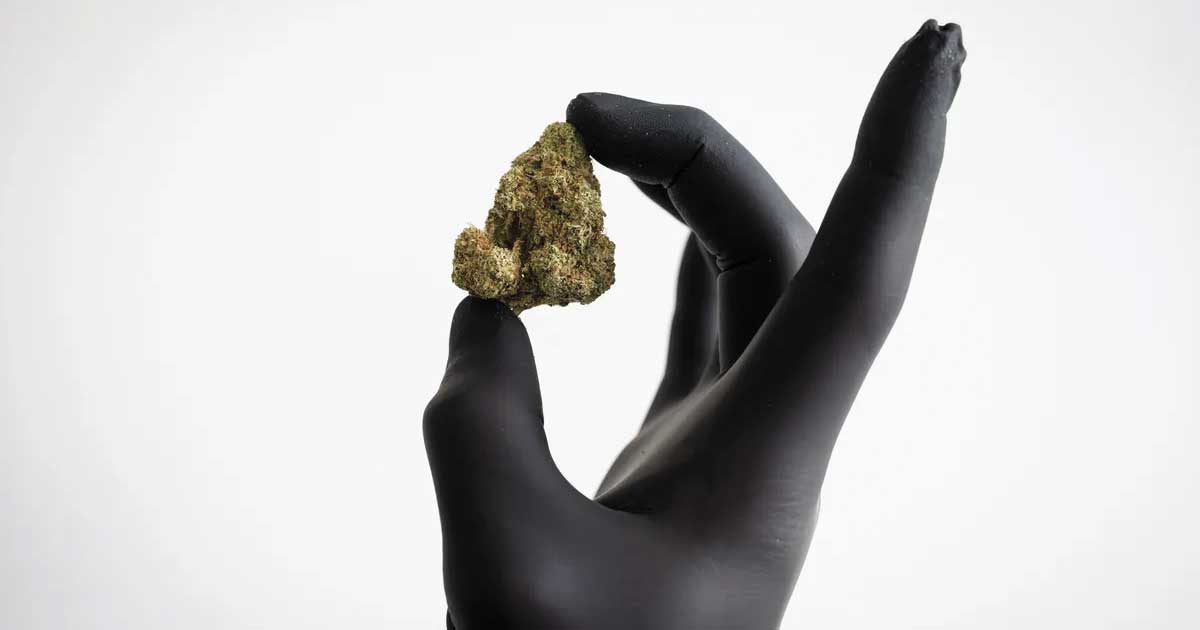
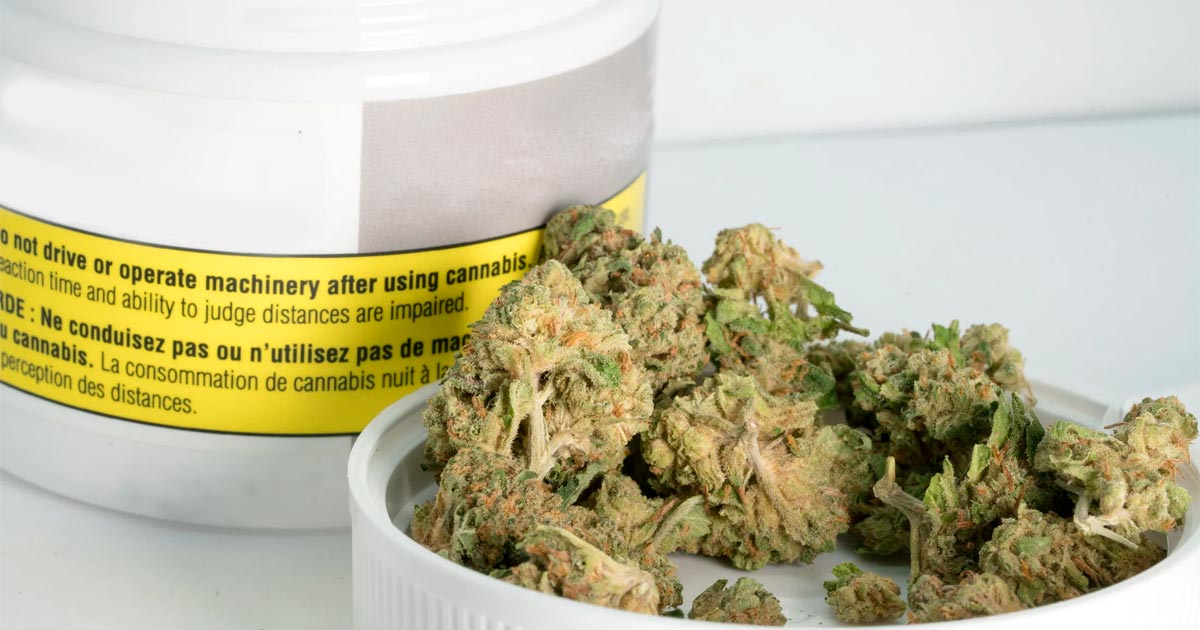
The German government is currently facing widespread criticism after proposing to withdraw the medical cannabis flowers from the list of treatments reimbursed by health insurance.
This measure, included in the bill to stabilize compulsory health insurance contribution rates, would limit reimbursed cannabis treatments to standardized extracts and pharmaceutical products containing cannabis. dronabinol or nabilone (both synthetic THC).
According to the bill, this reform is expected to generate substantial savings for the German public healthcare system, with planned expenditure reductions rising from €130 million in 2027 to €180 million by 2030.
The German authorities argue that cannabis flowers present a higher risk of dependency due to the rapidity of their effects. The proposal also highlights concerns about the variability of natural cannabis products, whose cannabinoid content can fluctuate depending on growing and storage conditions. Officials therefore consider that extracts and pharmaceutical formulations offer more reliable standardization and therapeutic consistency.
«In a healthcare system financed on the basis of solidarity, it is fundamentally necessary that the services paid for by the insured community are based on sufficient evidence and guarantee verifiable therapeutic quality,» said the Health Finance Committee.
Cannabis industry and patient associations react
The proposal met with strong opposition from several organizations representing the German medical cannabis sector, These include the German Cannabis Industry Association (BvCW), patient associations, pharmacies and pharmaceutical companies specializing in cannabinoids.
In a joint statement issued after the German government approved the bill, these organizations warned that the reform could have a negative impact on vulnerable patients suffering from chronic illnesses or receiving palliative care.
«The planned new regulation, according to which only cannabis extracts, finished medical products, as well as dronabinol and nabilone should remain reimbursable by compulsory health insurance, is deemed by the associations to be risky in terms of health policy, legally problematic and economically unviable,» wrote the BvCW.
Industry representatives also dispute the government's financial calculations. They argue that replacing flowers with extracts or synthetic cannabinoids could actually increase treatment costs in some cases.
«On the basis of actual THC content, at which prescriptions are generally standardized, cannabis flowers constitute the most important source of THC. most profitable cannabis-based medicine. The same prescribed amount of THC therefore costs health insurers more in the form of extracts or pure dronabinol preparations than in the form of cannabis flowers,» says Georg Wurth of the German Hemp Association.
Several stakeholders have also warned that the removal of reimbursement could drive some patients into the illicit market if they can no longer afford their treatment.
Multiple sclerosis patients particularly concerned
The German Multiple Sclerosis Society (DMSG) has emerged as one of the most vocal critics of the reform. The organization warned that people with multiple sclerosis could be disproportionately affected if cannabis flowers lost their status as reimbursable medicine.
According to data from the German Federal Institute for Drugs and Medical Devices (BfArM), around 12.5 % of patients treated with medical cannabis flowers in Germany suffer from multiple sclerosis.
DMSG noted that many of these patients had previously used approved cannabinoid drugs, such as Sativex, without sufficient results or with intolerable side effects.
«Cannabis flowers have proven to be significantly more effective, better tolerated and have led to a better quality of life,» said the organization.
Patient advocates and doctors insist that inhaled cannabis remains medically necessary for certain conditions due to its rapid onset of action, particularly for acute pain or sudden episodes of spasticity.
«For a significant proportion of patients, cannabis flowers are medically irreplaceable by orally administered medicines. Particularly in cases of acute pain or spasticity, rapid action is crucial. Suppressing them would worsen management without any additional medical benefit,» said Dr. Franjo Grotenhermen, Chairman of the «Cannabis as Medicine» (ACM) working group.
A debate on the future of Germany's medical cannabis model
Germany is often cited as one of the world's leading Europe's most advanced medical cannabis systems, This is because compulsory health insurance can reimburse cannabis-based treatments prescribed to seriously ill patients under strict conditions.
Critics of the proposed reform argue that removing flowers from the reimbursement system would undermine a model that has become an international benchmark. They also argue that doctors should retain the ability to determine which form of cannabis is most appropriate for each patient.
«For many seriously ill patients, cannabis flowers are not a “fashion product”, but the treatment that allows them to regain some semblance of quality of life,» said Daniela Joachim of the German Cannabis Patients' Association (BDCan).
The bill is still under political discussion, but opposition from patient associations, healthcare professionals and the German cannabis industry is growing as the debate intensifies.




















CBD is said to promote athletic recovery, without improving performance

294 cannabis clubs in Chile: a booming movement with uneven distribution

Chronic Sciatica: New York Approves First Clinical Trial of a THC-Based Medication

United States: The DEA is accelerating the integration of medical cannabis at the federal level

Florida is nearing one million patients using medical cannabis

Uruguay Revives Its Plan to Allow Tourists to Legally Access Cannabis

In Brazil, researchers are developing an innovative CBD eye drop

Autism: Medical Cannabis Is Linked to Reduced Anxiety

The $28 billion U.S. hemp market remains under threat

Jamaica Eases Small Farmers' Access to the Cannabis Market
-
 Business6 days ago
The legal cannabis market in New York exceeds 4 billion $ in revenue
-

 Cannabis in France2 weeks ago
Which countries legalized medical cannabis before France?
-
Business2 weeks ago
South Korea is preparing to begin local production of medical cannabis to meet rising demand
-
Cannabis in the Netherlands4 weeks ago
One year after the launch of the Dutch cannabis experiment, the first trends are emerging
-
Cannabis in Thailand2 weeks ago
From the boom in dispensaries to a purely medical approach: Thailand is revising its cannabis policy
-
Cannabis in France4 weeks ago
French medical cannabis remains stalled at the Ministry of Health
-
Cannabis in Argentina3 weeks ago
Argentina Opens Its Market to Hemp Flowers Containing 1% of THC
-
Cannabis and driving2 weeks ago
Medical Cannabis and Driving: New South Wales Ends Automatic Penalties for THC

















You must be logged in to post a comment Login