
In the United States, THC beverages make their debut in supermarkets


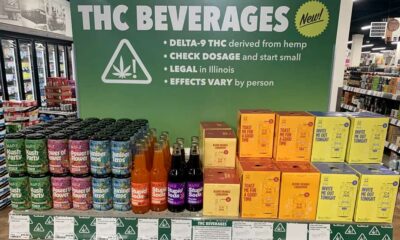
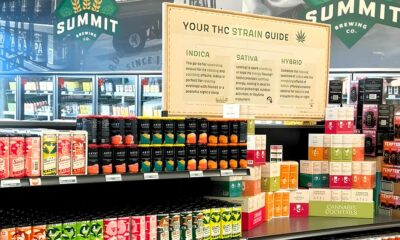
The retail giant Target has quietly launched the sale of THC drinks in some of its stores in Minnesota, an unprecedented initiative that reflects the growing acceptance of cannabinoids derived from hemp in brick-and-mortar stores.
A Historic Initiative for the THC Beverage Industry
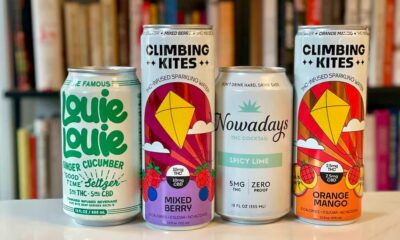
According to several industry sources, Target has introduced a dozen THC-infused beverage brands in ten of its stores in Minnesota. Among the brands offered are Birdie, Cann, Gigli, Hi Seltzer, Indeed, Miss, Stigma, Surly, Trail Magic, Wonder, Wyld and Wynk.
«Given everything that’s happening with hemp and the debates over regulation versus prohibition, Target’s entry into the market is monumental,» said Jason Dayton, co-founder of Trail Magic, one of the brands participating in the launch. «And this is a moment that shows that the regulations are working.»
Mr. Dayton explained that the goal was not deregulation, but rather the establishment of a responsible framework that would ensure tests, age restrictions and clear distribution rules, an organization that has helped turn the alcohol industry into a $250 billion industry in the United States
«We want more regulation, not less,» he said.
This news sparked enthusiasm on the THC-based beverage market, even among companies that aren't participating in the launch. «This is yet another HUGE milestone for the category, and huge congratulations to those involved,» said Adam Terry, CEO of Cantrip.
A test with national implications
Target's entry into the cannabis beverages comes at a politically complex time. In Washington, the Conference debate over a possible reversal of hemp legalization, which could restrict the sale of hemp-derived products containing traces of THC.
The 2018 farm bill, signed by Donald Trump, has legalized hemp and its derivatives at the federal level, provided that the products contain less than 0.3% of THC. However, some lawmakers now want to reverse this rule, in light of growing concerns about the spread of intoxicants derived from hemp.
Minnesota is a particularly symbolic starting point for Target's test phase. The’The state legalized cannabis for adult use in 2023, but even before that, it had already become a hub for the hemp-based beverages. In 2022, the governor Tim Walz signed a law authorizing the sale of hemp-derived cannabinoids, such as CBD and the THC, in food and beverages, provided they comply with the dosage limits set by the government, namely 5 mg of THC per serving and 50 mg per package.
Clear regulations have made Minnesota one of the most dynamic markets for beverages with a low cannabis content, with the emergence of dozens of startups to meet growing consumer demand.
Public Acceptance and Changing Consumer Habits
The widespread availability of THC-infused beverages coincides with changing public attitudes toward cannabis and alcohol. A recent poll shows that most Americans now consider the cannabis as a «healthier alternative» to alcohol, nearly 80 % of the consumers of cannabis-infused beverages stating to have reduced their alcohol consumption and more than 20 % who claim to have completely stopped drinking.
This trend has not gone unnoticed by large companies. Companies such as’Amazon and Home Depot have already adapted to changes in the legal landscape by modifying their drug testing policies or even by supporting the federal cannabis reform. At the same time, organizations such as the Veterans of Foreign Wars (VFW) have partnered with THC-based beverage brands to promote alternatives to alcohol at veterans' facilities across the country.
It remains to be seen whether Target’s pilot program will be expanded nationwide. But investors have already described this initiative as a turning point for the industry. «We haven’t yet seen a true retail giant enter the fray. That has changed today,» wrote Aaron Edelheit, CEO of Mindset Capital.
While the debates surrounding the hemp regulations As tensions escalate in Washington, Target's experience could become a case study on how the retail industry can responsibly integrate the THC-based products in existing consumer markets.
If successful, this could pave the way for other national networks to follow suit, increasing the cannabis-based beverages from specialty stores to the aisles of everyday stores.

















Contest: Win a trip to Quebec to experience the hemp harvest firsthand

Bedrocan on Hold Amid Uncertainty Over Medical Cannabis

Newsweed Launches Its Own AI
A new tax of 0.5% could disrupt the hemp industry in Canada

Medical Cannabis and Driving: New South Wales Ends Automatic Penalties for THC

China's Yongji Health Takes Control of Tasmanian Botanics

Autism and Cannabis: Results from the First Placebo-Controlled Trial of NTI164

Which countries legalized medical cannabis before France?

From the boom in dispensaries to a purely medical approach: Thailand is revising its cannabis policy

South Korea is preparing to begin local production of medical cannabis to meet rising demand
-
 Cannabis and driving3 weeks ago
Cannabis and CBD: French Drivers Can Now Lose Their License Even Without a Positive Test Result
-

 Cannabis in France4 days ago
Which countries legalized medical cannabis before France?
-
Cannabis in France3 weeks ago
Cannabis Legalization: The LFI Bill Has a Major Problem—THC
-
Cannabis in the Netherlands2 weeks ago
One year after the launch of the Dutch cannabis experiment, the first trends are emerging
-
Business5 days ago
South Korea is preparing to begin local production of medical cannabis to meet rising demand
-
Cannabis in Argentina2 weeks ago
Argentina Opens Its Market to Hemp Flowers Containing 1% of THC
-
Cannabis in France2 weeks ago
French medical cannabis remains stalled at the Ministry of Health
-
Cannabis in Thailand5 days ago
From the boom in dispensaries to a purely medical approach: Thailand is revising its cannabis policy













You must be logged in to post a comment Login