
Study: In the USA, problematic cannabis use declines among daily users

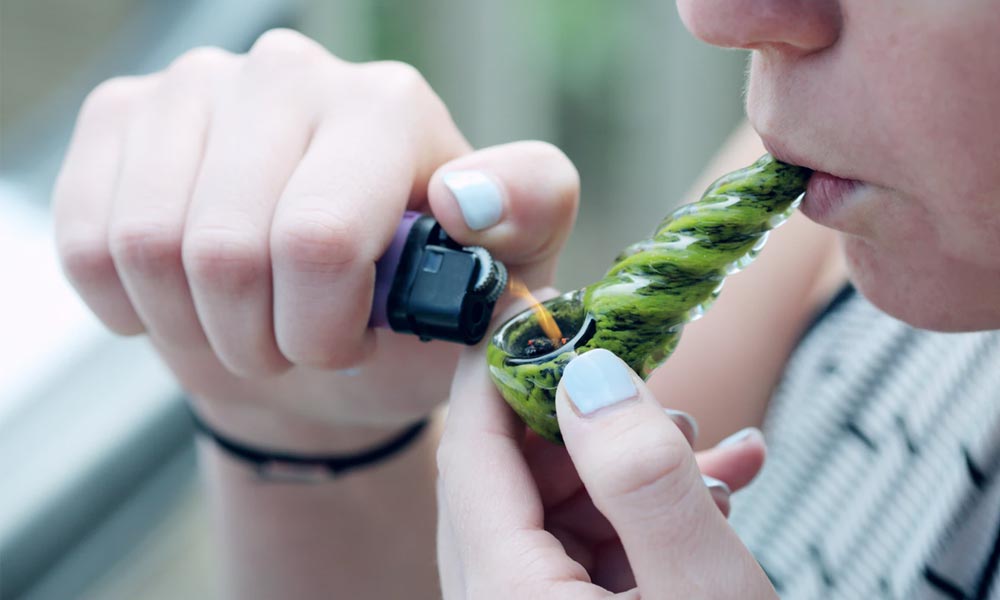
A study published last month in the journal Drug and Alcohol Dependence appears to show a decrease in the proportion of daily cannabis users who are diagnosed with cannabis use disorder (CUD, for cannabis use disorder).
According to the document, «The prevalence of cannabis use disorders decreased significantly among all age groups reporting daily or nearly daily cannabis use between 2002 and 2016. The prevalence of cannabis dependence, meanwhile, decreased among adolescents and young adults and remained stable only among adults aged 26 and older who reported using cannabis daily or almost daily.”
Recent studies have yielded mixed results on the prevalence of problematic cannabis use, a diagnosis that includes misuse and/or dependence, over the past two decades. Because people who use cannabis daily or nearly daily are at the highest risk for problematic use, researchers at the Mailman School of Public Health Researchers at Columbia University have worked to better understand the health of this group.
The study authors used data from national surveys on drug use and health for the period 2002–2016. The final sample, comprising 22,651 individuals, included participants aged 12 and older who reported having used cannabis on at least 300 days during the past year.
To measure problematic consumption of cannabis, the authors used the criteria from the Diagnostic and Statistical Manual of Mental Disorders (4th edition, DSM-IV), such as:
- Having spent a significant amount of time over the course of a month obtaining, using, or dealing with the effects of cannabis
- The inability to set limits for oneself
- The inability to reduce one's cannabis use
- Recurring spending that prevents one from fulfilling one's obligations
- Continued use despite persistent or recurring social or interpersonal problems
Other factors considered in the study included whether participants felt they needed mental health treatment, whether a doctor had indicated that they had other health problems, and whether or not they had driven while under the influence of illicit drugs, with or without alcohol.
During the study period, the authors found that the prevalence of CUD decreased across their entire sample in all age groups: for adolescents aged 12 to 17, the rate had decreased by 26.8%; for those aged 18–25, by 29.7%; and for adults aged 26 and older, by 37.5%.
«Among those who had used cannabis daily or almost daily in the past year, the prevalence of cannabis abuse decreased across all age groups, with reductions observed for all individual cases of abuse among adolescents and young adults,» the study states. «The prevalence of cannabis dependence also decreased among adolescents and young adults, but not among adults aged 26 and older. Decreases in most DSM-IV criteria for dependence were observed among young adults, while decreases were observed in only a few adolescents and among older adults.»
Researchers offer several possible explanations for this decline in problematic use, including the impact of various legalization measures.
«First, the new national policy environment regarding cannabis—with 33 states having legalized medical use and 10 states permitting recreational use—may have played a role in reducing the stigma and perceived risks associated with cannabis use,», according to Silvia Martins, one of the study’s authors. «Second, increasing legalization may also be associated with changes in social attitudes, which reduces the number of conflicts with parents and friends over cannabis use.»
Consequently, according to the document, «this could explain reductions in the item »Continued use despite persistent or recurrent social or interpersonal problems,» which reflects difficulties interacting with others due to cannabis use.»
It is also possible that a «segment of the population that is generally healthier» may begin to use more cannabis due to legal access, which «may have diluted the prevalence of cannabis abuse/dependence over time.» They might be using «less potent» cannabis or smaller daily amounts, the researchers note. Furthermore, respondents are now less hesitant to admit in a federal survey that they frequently use cannabis.
Finally, Martins stated that the study’s findings «would contradict the prevailing assumption that the prevalence of DSM-IV-defined cannabis use disorder is stable or increasing among those who use cannabis regularly.».























CBD is said to promote athletic recovery, without improving performance

294 cannabis clubs in Chile: a booming movement with uneven distribution

Chronic Sciatica: New York Approves First Clinical Trial of a THC-Based Medication

United States: The DEA is accelerating the integration of medical cannabis at the federal level

Florida is nearing one million patients using medical cannabis

Uruguay Revives Its Plan to Allow Tourists to Legally Access Cannabis

In Brazil, researchers are developing an innovative CBD eye drop

Autism: Medical Cannabis Is Linked to Reduced Anxiety

The $28 billion U.S. hemp market remains under threat

Jamaica Eases Small Farmers' Access to the Cannabis Market
-
 Business5 days ago
The legal cannabis market in New York exceeds 4 billion $ in revenue
-
Cannabis and driving4 weeks ago
Cannabis and CBD: French Drivers Can Now Lose Their License Even Without a Positive Test Result
-

 Cannabis in France2 weeks ago
Which countries legalized medical cannabis before France?
-
Business2 weeks ago
South Korea is preparing to begin local production of medical cannabis to meet rising demand
-
Cannabis in the Netherlands4 weeks ago
One year after the launch of the Dutch cannabis experiment, the first trends are emerging
-
Cannabis in Thailand2 weeks ago
From the boom in dispensaries to a purely medical approach: Thailand is revising its cannabis policy
-
Cannabis in France4 weeks ago
French medical cannabis remains stalled at the Ministry of Health
-
Cannabis in Argentina3 weeks ago
Argentina Opens Its Market to Hemp Flowers Containing 1% of THC

















You must be logged in to post a comment Login