
Efficacy of cannabinoids for leukemia patients


A new study published in the’International Journal of Oncology has shown that cannabinoids have a «significant effect» in killing cancer cells in patients with leukemia. More specifically, combining cannabinoids with chemotherapy yields better results than chemotherapy alone.
The researchers tested a lower dose of chemotherapy, minimizing side effects, while adding cannabinoids. They then observed faster and more effective destruction of cancer cells in the blood.
Dr. Wai Liu, director of the study at St. George’s University of London, explains: «For the first time, we have shown that the order in which cannabinoids and chemotherapy are administered is critical in determining the overall effectiveness of this treatment.» Dr. Wai Liu and his colleagues sought to examine, in their medical school laboratory, the effects of various combinations of cannabinoids—particularly phytocannabinoids—in combating leukemia.
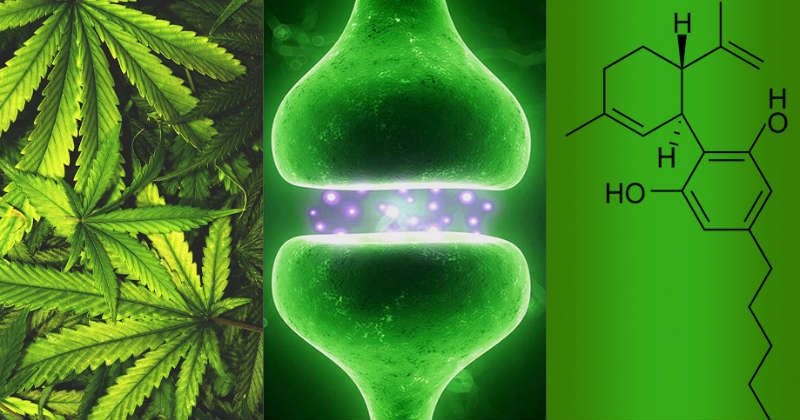
Phytocannabinoids (THC, CBD, and other cannabinoids produced by cannabis) interact with the endocannabinoid system, and, like the neurotransmitter anandamide (the “happiness hormone”), bind directly to CB1 and CB2 receptors to mimic the effects of endocannabinoids.
Researchers at the British medical school wanted to determine whether existing chemotherapy treatments worked effectively in combination with cannabinoids, and whether administering the drugs in a different order had a positive effect. They note that the Phytocannabinoids have anticancer activity when they are used alone as part of a treatment.
The use of cannabinoids after chemotherapy resulted in greater induction of apoptosis, that is, the process by which cancer cells trigger their own self-destruction in response to cannabinoids.
«Studies like ours help determine the best ways to use cannabinoids to maximize their therapeutic effect,» said Dr. Wai Liu.
Cancer Research UK, a British cancer charity and research center, welcomed the discovery of cannabinoids. However, the results should be viewed with caution.
Anna Perman, head of scientific information, said, «As things stand, we still need proper research to determine whether they are effective, for which types of cancer, and at what dose.»
The researchers themselves acknowledge that further studies are needed to confirm the validity of their findings. Dr. Wai Liu’s team emphasized that when scientists use cannabis in this research, they do not use the entire plant.
«These extracts are highly concentrated and purified, so smoking cannabis »will not have a similar effect," explains Dr. Wai Liu.
Mehdi Bautier




A new tax of 0.5% could disrupt the hemp industry in Canada

Medical Cannabis and Driving: New South Wales Ends Automatic Penalties for THC

China's Yongji Health Takes Control of Tasmanian Botanics

Autism and Cannabis: Results from the First Placebo-Controlled Trial of NTI164

Which countries legalized medical cannabis before France?

From the boom in dispensaries to a purely medical approach: Thailand is revising its cannabis policy

South Korea is preparing to begin local production of medical cannabis to meet rising demand

In the United States, cannabis use among high school students has reached an all-time low

Medical cannabis use surges by 64 % in Denmark

Canopy Growth Enters the U.K. Market with Four Canadian Strains
-
 Cannabis and driving2 weeks ago
Cannabis and CBD: French Drivers Can Now Lose Their License Even Without a Positive Test Result
-

 Cannabis in France2 days ago
Which countries legalized medical cannabis before France?
-
Cannabis in France3 weeks ago
Cannabis Legalization: The LFI Bill Has a Major Problem—THC
-
Cannabis in the Netherlands2 weeks ago
One year after the launch of the Dutch cannabis experiment, the first trends are emerging
-
Cannabis in France2 weeks ago
French medical cannabis remains stalled at the Ministry of Health
-
Cannabis in Argentina1 week ago
Argentina Opens Its Market to Hemp Flowers Containing 1% of THC
-
Business2 days ago
South Korea is preparing to begin local production of medical cannabis to meet rising demand
-
Business2 weeks ago
The United Kingdom Is Moving Closer to a Regulated CBD Market














You must be logged in to post a comment Login