THC levels in cannabis have increased over the last 50 years

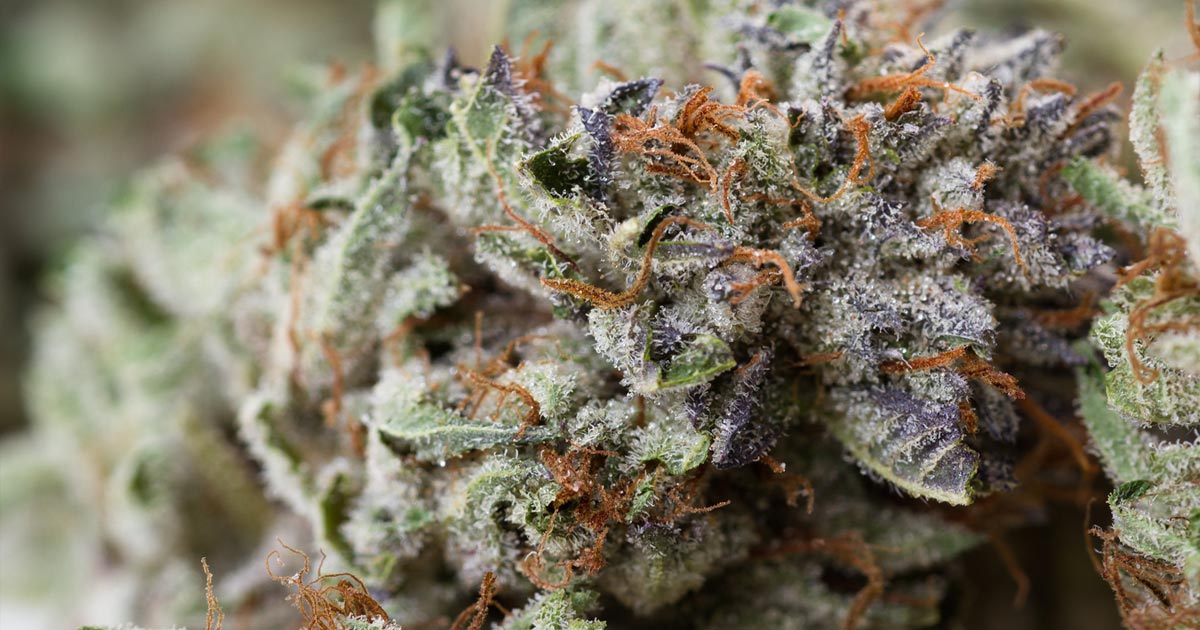
New research shows that over the past 50 years, levels of THC have increased in cannabis.
The team behind the study analyzed data from more than 80,000 cannabis samples tested over the past 50 years and collected in the United States, the United Kingdom, the Netherlands, France, Denmark, Italy, and New Zealand. Their findings have been published in the magazine Addiction.
The researchers studied how THC concentrations had changed. In marijuana, they found that THC concentrations had increased by 14% from 1970 to 2017. Their explanation is based primarily on the fact that sinsemilia, female plants separated from the males to promote flower growth.
Researchers found that THC levels in the resin had increased by 24% between 1975 and 2017.
They also examined the concentrations of cannabidiol (CBD). Unlike THC, they did not observe any increase or decrease in CBD levels in cannabis over time.
The lead author of the study, the Dr. Tom Freeman, director of the Substance Use and Mental Health Group at the University of Bath, said: «As the potency of cannabis has increased, the number of people receiving treatment for cannabis use problems has also risen. There are now more Europeans seeking treatment for cannabis use than for heroin or cocaine.»
Sam Craft, a co-author of the study, explained: «Cannabis resin is often considered a safer form of cannabis, but our findings show that it is now more potent than «herb» cannabis.» Traditionally, cannabis resin contained much lower amounts of THC with equal amounts of CBD, but while CBD concentrations have remained stable, THC levels have increased significantly, meaning it is now much more harmful than it was many years ago.”
Researchers argue that the increase in the potency of cannabis highlights the need to implement broader harm-reduction strategies similar to those used for alcohol, such as standard units and public guidelines on limits for safer products.
Dr. Tom Freeman added: «As the potency of cannabis increases, users have limited information to help them monitor their consumption and make informed decisions about the relative benefits and risks. The introduction of a standard unit system for cannabis—similar to standard alcohol units—could help people limit their consumption and use it more safely.»
The research team has previously conducted various studies (here or here) and shown that frequent cannabis use with higher THC levels is associated with an increased risk of problems such as dependence, psychotic disorders, or cognitive impairment.






















Medical Cannabis in Germany: THC Prices Vary by a Factor of 12

France already has 3,000 cannabis retail outlets. None of them are legal.

Morocco's exports of legal cannabis have expanded to 15 countries

Aurora Cannabis Doubles Its Production Capacity in Germany

Tilray is accelerating its operations in Europe thanks to a license in Portugal

Boston will host the 10th annual State of the Cannabis Industry Conference on October 26

A DEA report confirms that there are no fatal cannabis overdoses

A British patient is challenging the NHS's refusal to reimburse medical cannabis

October 2026 CBD Highlights: 10 Strains and Hash to Discover from 5 French Producers

CBD in France: Traceability, Retail Stores, THC and Driving… What the New Bill Proposes
-
 Business2 weeks ago
The legal cannabis market in New York exceeds 4 billion $ in revenue
-

 Cannabis in France3 weeks ago
Which countries legalized medical cannabis before France?
-
Business3 weeks ago
South Korea is preparing to begin local production of medical cannabis to meet rising demand
-
Cannabis in Thailand3 weeks ago
From the boom in dispensaries to a purely medical approach: Thailand is revising its cannabis policy
-
Cannabis and driving3 weeks ago
Medical Cannabis and Driving: New South Wales Ends Automatic Penalties for THC
-
Cannabis in Argentina4 weeks ago
Argentina Opens Its Market to Hemp Flowers Containing 1% of THC
-
Autism3 weeks ago
Autism and Cannabis: Results from the First Placebo-Controlled Trial of NTI164
-
Cannabis in France2 weeks ago
France’s Drug Policy Chief Defends Cannabis Prohibition... and Runs Into the Facts

















You must be logged in to post a comment Login