
Three interesting things cannabis research showed us in 2020

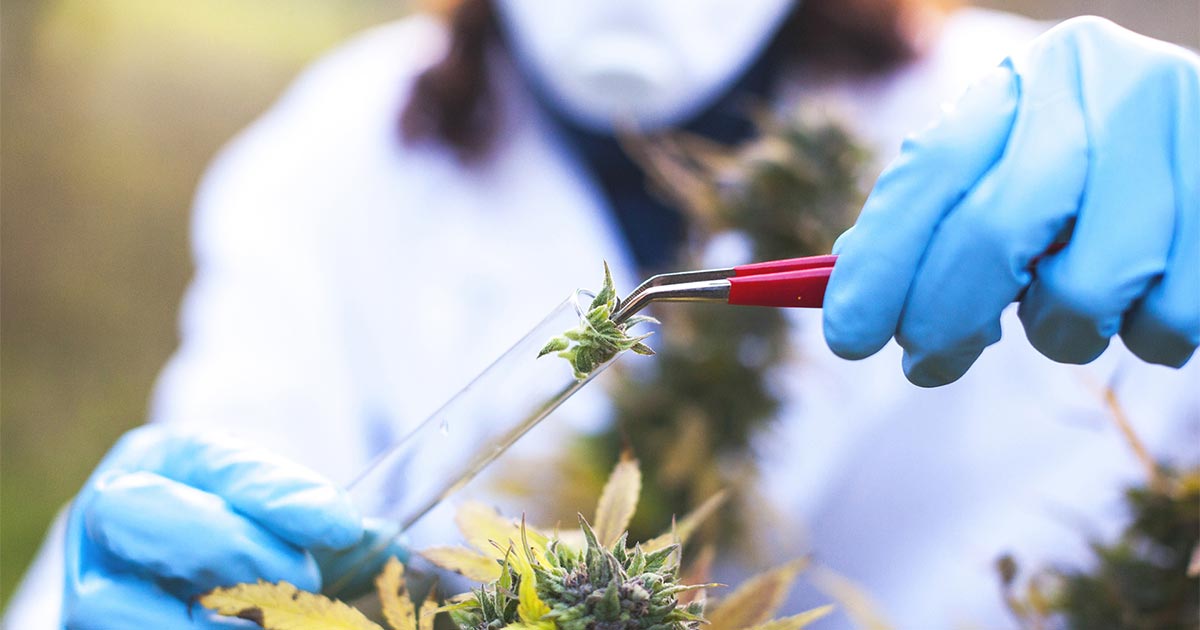
The UN reclassification of cannabis, and the recognition of its medicinal properties, should now facilitate research into the plant. Nevertheless, the data compiled by the National Library of Medicine and PubMed.gov show that a record 3500 scientific articles on the Cannabis were published worldwide in 2020.
From simple studies to peer-reviewed research, what conclusions have emerged from this 2020 year?
Confinement drives cannabis consumption
With regard to cannabis consumption during COVID-19, confinement and fear of shortages on legal markets were cited as factors in consumption.
New Frontier Data a reported in November that 42% of current cannabis users in the U.S. reported an increase in overall cannabis use during the pandemic. Specifically, 25% of respondents cited a slight increase, 18% reported a sharp rise, 42% noted that use remained stable and 16% reported a decline since the start of 2020.
Cannabis was also seen as a way of protecting mental health or coping with the psychological hazards of the pandemic. A survey from Centers for Disease Control and Prevention found that over 40% of respondents reported mental health problems, with increased substance use.
A Canada-wide study conducted by the Canadian Red Cross also suggested that some adults who use alcohol and cannabis have increased their consumption.
However, the increase in cannabis consumption has not been observed everywhere.
In France, consumption has naturally evolved in line with health conditions and travel restrictions. The Cannavid and the Global Drug Survey both noted an overall stability in consumption, despite a black market that is harder to reach.
A Belgian study published last June showed that while alcohol and tobacco consumption had increased somewhat among the 3632 respondents, cannabis consumption remained stable. The main reasons for turning to psychotropic substances were boredom, lack of social contacts, loss of daily structure, reward after a hard day's work, loneliness and conviviality.
Cannabis may help reduce the risk of overdose by reducing opiate exposure
A study conducted in British Columbia and published this month in Drug and Alcohol Dependence suggests that cannabis may help people receiving treatment for opioid dependence and reduce their risk of exposure to the fentanyl present in some illegal drugs bought on the black market.
A total of 53% of the 819 study participants who were on opioid agonist therapy (OAT) «were intentionally or inadvertently using fentanyl, a key factor in overdoses».
THC-positive study participants were about 10% «less likely to have fentanyl-positive urine, putting them at lower risk of fentanyl overdose», reports the British Columbia Centre for Substance Use (BCCSU). «These new findings suggest that cannabis could have a stabilizing impact for many patients undergoing treatment, while reducing the risk of overdose,» explains Dr. Eugenia Socías, lead author of the study and clinician-researcher at BCCSU.
«As overdoses continue to rise across the country, these results highlight the urgent need for clinical research to evaluate the therapeutic potential of cannabinoids as an adjunctive treatment to OAT to combat the growing epidemic of opioid overdoses,» says Dr. Socías.
Not necessarily a good idea to use cannabis before an operation
Consuming cannabis before surgery may negatively influence post-surgery outcomes, suggests study declaration the’American Society of Anesthesiologists (ASA). The organization found that those who use cannabis may need more anesthesia during surgery and experience more pain afterward.
Calling the study the first of its kind, the researchers examined the records of 118 patients who had undergone surgery for a broken tibia, then compared the effects reported for cannabis users and non-users.
A total of 25.4% of patients reported using cannabis prior to surgery. Cannabis users required an average of 37.4mL of anesthetic versus 25mL for non-users, and reported pain scores averaging 6 versus 4.8 and received 58% more opioids per day while still in hospital.
The need for more anaesthesia among regular cannabis users is consistent with a study published last year in the Journal of the American Osteopathic Association.
Although cannabis users had higher clinical pain, lower scores on quality-of-life indicators and higher opioid use before and after surgery, these individuals «reported similar surgical outcomes, suggesting that cannabis use did not impede healing» a concluded a recent Michigan study.


















Medical Cannabis and Back Pain: Opioid Use Has Dropped by 90 % in 10 Years

Cannabis: Wisconsin Could Finally Legalize It in 2027

Argentina Opens Its Market to Hemp Flowers Containing 1% of THC

The French Socialist Party still doesn't know how to approach the legalization of cannabis

Science in the City International: Paris at the Heart of Transatlantic Scientific and Medical Dialogue

Christine Fréchette is alienating Quebec’s cannabis industry

Rima Hassan: When «Drugs» Become a Political Weapon

From Marathons to Ultratrails: How Extreme Running Affects the Endocannabinoid System

Four days of THC may make breast cancer less aggressive, according to a new study

Medical Cannabis: 14 Organizations Finally Call for Enforcement of the Law
-
 Cannabis and driving2 weeks ago
Cannabis and CBD: French Drivers Can Now Lose Their License Even Without a Positive Test Result
-
Cannabis in France2 weeks ago
Cannabis Legalization: The LFI Bill Has a Major Problem—THC
-

 Cannabis in the Netherlands7 days ago
One year after the launch of the Dutch cannabis experiment, the first trends are emerging
-
Cannabis in France1 week ago
French medical cannabis remains stalled at the Ministry of Health
-
Business7 days ago
The United Kingdom Is Moving Closer to a Regulated CBD Market
-
Cannabis in Argentina4 days ago
Argentina Opens Its Market to Hemp Flowers Containing 1% of THC
-
Cannabis in Europe3 weeks ago
Andorra Paves the Way for Medical Cannabis Cultivation
-
Cannabis in France3 weeks ago
Drought: Could Hemp Become the New Hope for French Farmers?














You must be logged in to post a comment Login