
New York State will (most likely) legalize recreational cannabis in 2019

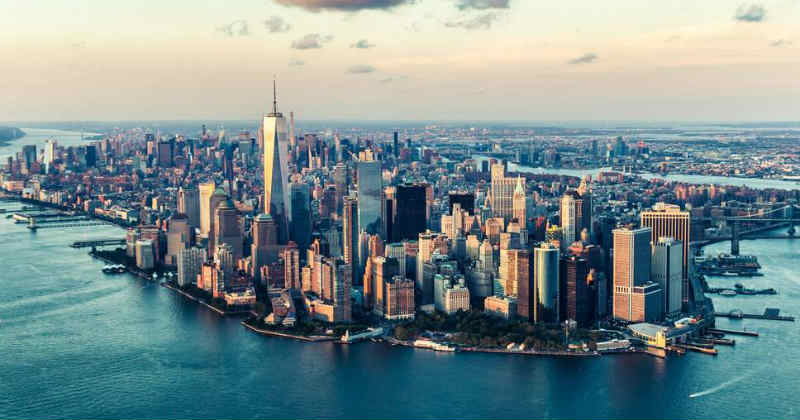
The issue of legalizing recreational cannabis has been on the agenda in New York State for some time now. The governor, who wasn't in favor of it at first, gradually changed his mind as her opponent in the general election had made the legalization of cannabis his pet cause. Since then, he has taken a series of steps to pave the way for legalization. Today, legalization seems closer than ever and will likely be enacted sometime in 2019.
Careful preparation
Governor Andrew Cuomo’s office announced Tuesday that he would soon unveil a plan to legalize recreational cannabis in the state. He first commissioned a report on the pros and cons of legalization, whose authors came down in favor of cannabis regulation, and then a working group whose mission is to draft legislation on the issue. To that end, a series of public hearings were held in approximately 17 cities across the state. “The goal of this administration is to create a model program for regulating recreational cannabis, and the best way to do that is to ensure that the final proposal reflects the views of New Yorkers,» explains a spokesperson for Governor Tyrone Stevens to the New York Post.
With the hearings now concluded, the governor’s office is awaiting the task force’s report in order to «introduce a comprehensive and formal proposal by the start of the 2019 legislative session.» By then, the results of the November legislative elections will take effect, and the Democrats—who are generally more supportive of legalization—will control both chambers of the New York State Legislature. The New York Post has raised the possibility that the legalization plan could be included in the governor’s executive budget.
What Kind of Legalization for New York?
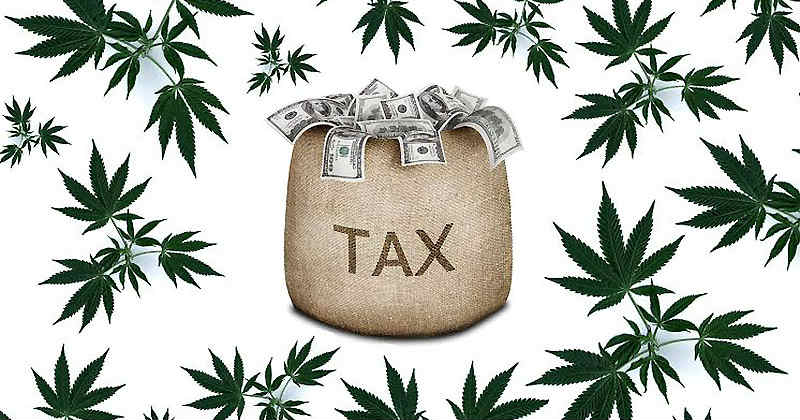
Although the governor announced his intention to present a legalization plan, he did not reveal any details about how the legalization would be implemented. «At this point, the debate is not about whether or not to allow recreational cannabis, but about how the industry will be structured,» explains New York State Assemblyman Richard Gottfried, sponsor of the 2014 medical cannabis legalization bill. Many questions remain unanswered, such as: In what form will cannabis be available? Who will be allowed to sell it, and how many retail outlets will be authorized? Where will it be permitted or prohibited to consume it? What will be done with the tax revenue?
A particularly pressing issue in New York State and New York City is that of social justice. Cynthia Nixon, Cuomo’s defeated rival, had repeatedly highlighted the harmful effects of prohibition in terms of social and racial discrimination. Decriminalization measures had, in fact, been implemented in New York City to reduce arrests related to cannabis because they disproportionately targeted people of color. Today, cannabis advocates are questioning what the future industry will look like and whether it will allow for the inclusion of people who were criminalized for their cannabis use and of ethnic minorities who were victims of prohibition.
The governor had initially insisted that companies should be vertically integrated, as is the case with medical cannabis. «That’s exactly the model we don’t want,» explains Douglas Greene of NORML. Indeed, this model requires significant capital and excludes a large number of potential industry players. According to Senator Diane Savino, sponsor of the medical cannabis program in the Senate in 2014, there was «not a single candidate from an ethnic minority» and only five women among the 43 applicants for the first five medical cannabis licenses issued by the state. The governor’s office has indicated, however, that he has abandoned this criterion.
When New York legalizes recreational cannabis, it will become the 11th state in the United States to allow adult use of cannabis (The most recent one was Michigan, (early November), and it certainly won't be the last. In Connecticut, the new governor has said he will make legalization one of his priorities. In Illinois, the new governor is also in favor of it, and The mayor of Chicago recently floated the idea of legalizing [something] to fund pensions. Since Massachusetts began selling legal cannabis, Rhode Island has been considering the issue of legalization, and according to the Republican Party leader in Parliament: «It should be legal.» In Nebraska, one of the last U.S. states to have not legalized cannabis in any form, lawmakers intend to put the issue of medical cannabis to a public vote in 2020 if Parliament does not take any action by then.






CBD is said to promote athletic recovery, without improving performance

294 cannabis clubs in Chile: a booming movement with uneven distribution

Chronic Sciatica: New York Approves First Clinical Trial of a THC-Based Medication

United States: The DEA is accelerating the integration of medical cannabis at the federal level

Florida is nearing one million patients using medical cannabis

Uruguay Revives Its Plan to Allow Tourists to Legally Access Cannabis

In Brazil, researchers are developing an innovative CBD eye drop

Autism: Medical Cannabis Is Linked to Reduced Anxiety

The $28 billion U.S. hemp market remains under threat

Jamaica Eases Small Farmers' Access to the Cannabis Market
-
 Business6 days ago
The legal cannabis market in New York exceeds 4 billion $ in revenue
-

 Cannabis in France2 weeks ago
Which countries legalized medical cannabis before France?
-
Business2 weeks ago
South Korea is preparing to begin local production of medical cannabis to meet rising demand
-
Cannabis in the Netherlands4 weeks ago
One year after the launch of the Dutch cannabis experiment, the first trends are emerging
-
Cannabis in Thailand2 weeks ago
From the boom in dispensaries to a purely medical approach: Thailand is revising its cannabis policy
-
Cannabis in France4 weeks ago
French medical cannabis remains stalled at the Ministry of Health
-
Cannabis in Argentina3 weeks ago
Argentina Opens Its Market to Hemp Flowers Containing 1% of THC
-
Cannabis and driving2 weeks ago
Medical Cannabis and Driving: New South Wales Ends Automatic Penalties for THC
















You must be logged in to post a comment Login