

How LREM wants to pass off ticketing cannabis as a «modern and effective» solution»

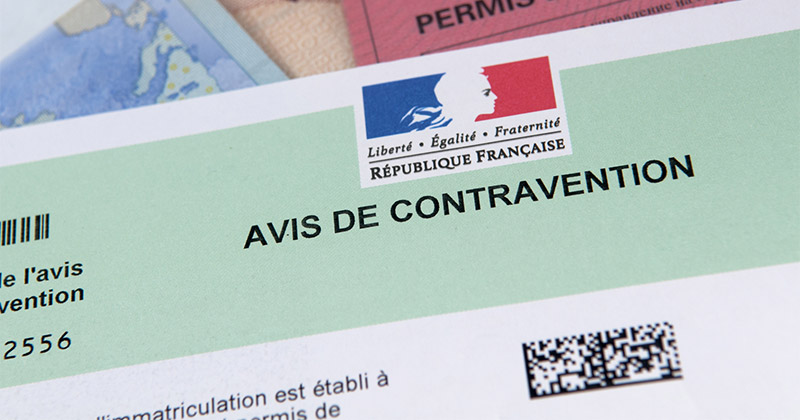
With the release of the parliamentary report on the decriminalization of cannabis this week, many voices have spoken out to highlight the limitations of the proposals issued by the two rapporteurs.
Year in and year out, LREM has been advocating for its flat-rate fine proposal, using talking points that we bought, bordering on dishonesty. Or how to try to pass off a widely contested and outdated measure as «modern and effective.».
A shared observation
The conclusion is simple and widely accepted: France is both the most repressive country in Europe when it comes to cannabis and the largest consumer. Law enforcement agencies are heavily mobilized to punish simple use—an estimated 1.2 million hours—even though the majority of arrests result in mere warnings and do nothing to prevent either consumption or trafficking.
This is where opinions begin to diverge: how can we reform this system to make it more effective, both for public safety and for public health?
As the report on the fixed-amount fine notes, the parliamentary work was not intended to reform the legal status of cannabis: ’The purpose of this mission is not to consider the fight against drug addiction or the reform of the law of December 31, 1970 « and »the implementation of a fixed-fine system—regardless of its form—is a reform that is necessary today to effectively and equitably curb drug use throughout the country.«.
A pre-formatted solution
The solution was clear from the start. In the talking points document we obtained, LREM also speaks of finding a «modern and effective» solution. We have our doubts.
Beyond a factual analysis of the cannabis situation in France, the report states right from the opening pages: «Crackdowns on drug use: a criminal justice response deemed unanimously unsatisfactory.» Let’s read that again. A criminal justice response deemed unanimously unsatisfactory. As we wrote in our editorial yesterday: Cracking down on cannabis doesn't work. Let's keep doing it anyway.
The situation is even more serious when you look at the talking points sent to LREM lawmakers:
- «The solution adopted is both effective and efficient»: That is simply a lie. The fixed-amount fine is still not being used in practice. Its implementation was postponed in 2017, and it has still not been incorporated into the tools available to law enforcement agencies. As for prejudging the effectiveness of a measure that doesn’t exist…
- «The amount of the fine (150 to 200 euros) would be allocated to drug prevention efforts»: yet the report states that its purpose is not to combat drug addiction. Talk about a contradiction. The goal is certainly laudable, but what about the fight against trafficking? We’ll get to that.
- «It also relieves law enforcement and judges of procedural burdens, allowing them to devote more time to combating drug trafficking»: It’s important to understand this. If the fines are meant to fund prevention, we’ll have to impose them. So it doesn’t really relieve law enforcement that much. And as a result, it doesn’t effectively combat drug trafficking. If we truly want to combat trafficking, why fine the consumer? Why not establish a legal channel for accessing cannabis? Allow personal cultivation?
- «The fixed fine allows for systematic and equal enforcement against drug use throughout the country»: Systematic, certainly. Equal? The fine is intended to crack down on public use, including people who have nowhere else to smoke. To put it simplistically, one can imagine that a young person from the suburbs will always be more likely to be penalized than a high-level executive cozy in their loft. Furthermore, criminal prosecution remains possible, even for a first offense, and is decided on a discretionary basis. Or how to ’equalize« de facto discrimination.
- «The use of narcotics remains a crime»: We get it. We acknowledge the complete failure of criminalizing cannabis, yet we don’t deviate from that approach.
What are we to make of all this?
Supporting a reform of one’s government is one thing. Lying is another. No matter what fine is imposed, it is not a «modern and effective» solution.
A modern solution would be, at the very least, decriminalization. Portugal did so 15 years ago, and eventually all the countries surrounding France followed suit. A modern solution would be to provide genuine medical access to cannabis. A modern solution would be to implement comprehensive cannabis regulation, with access restricted to minors, prevention programs funded by cannabis sales in licensed stores, and cultivation overseen by a Central Bureau.
An effective solution, on the other hand, would address the consequences of cannabis prohibition. An effective solution would focus on cannabis prevention among young people and parents. An effective solution would provide resources to combat substance abuse. An effective solution would ensure the quality of the products consumed. An effective solution would address the violence caused by trafficking.
A fine that penalizes only visible consumers while giving free rein to illegal trade cannot be considered «modern and effective.».










The «cannabis» fine raised to 500 euros under the RIPOST Act

Sacha Baron Cohen Brings Ali G Back to Life During a Surprise Appearance at Wimbledon

Botswana Paves the Way for Commercial Hemp Cultivation

The First Authorized Medical Cannabis Cultivation in the Canary Islands

Germany Ends Public Health Insurance Coverage for Medical Cannabis Flowers

Cannabis Legalization in Pennsylvania Once Again on Hold

Democratic senators are reviving a bill to legalize cannabis at the federal level in the United States

A THC:CBD oil shows promising results in reducing agitation in people with dementia

San Francisco Allows «Cannabis Cafés»

Kenya Denies Rastafarians the Right to Use Cannabis
-

 Cannabis in Europe4 weeks ago
Bosnia and Herzegovina Continues to Roll Out Medical Cannabis Following Its Legalization
-
Cannabis in France4 weeks ago
France Submits the Long-Awaited Decree on the Reimbursement of Medical Cannabis to the Council of State
-
Cannabis in the U.S.4 weeks ago
The DEA Begins Hearings on the Federal Rescheduling of Cannabis
-
Business3 weeks ago
China Invests $10 Million in Medical Cannabis in Lebanon
-
Cannabis in Thailand4 weeks ago
Thailand Threatens Cannabis Shops with Severe Penalties
-
Cannabis in Australia3 weeks ago
South Australia is working to identify more water-efficient hemp varieties
-
Exchange4 weeks ago
Glass House will be the second U.S. cannabis company to list on the New York Stock Exchange
-
Cannabis in Africa2 weeks ago
Kenya Denies Rastafarians the Right to Use Cannabis















You must be logged in to post a comment Login