Should THC levels be limited? Florida asks the question

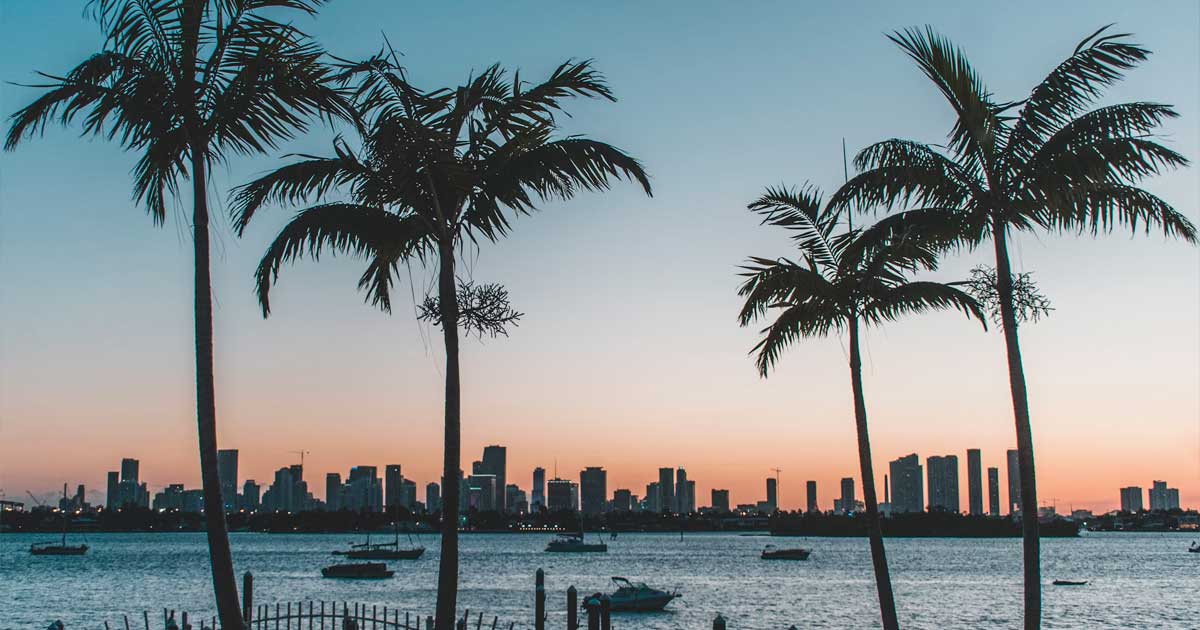
While the legalization of cannabis for adult use could be put to the vote in Florida this November, lawmakers on the Florida State House of Representatives' Health Care Regulation Subcommittee approved an amended version of a measure that would limit THC in recreational cannabis products.
Before moving forward on HB 1269, the panel first passed an amendment from its sponsor, Republican Congressman Ralph Massullo, significantly increasing the proposed maximum THC cap for cannabis flower to 30%, up from 10% in the bill as originally introduced.
In addition to a restriction on flowers, Massullo's measure would also impose a 60% THC limit for all other cannabis products and set a 10 milligram THC serving size for edibles, with a maximum of 200 mg per pack.
Although the sub-committee moved the bill forward, some members expressed concerns about the proposal.
Why limit THC levels?
The THC caps proposed by legislators are intended to address concerns about the potency of cannabis products available for non-medical use. As more and more’states have legalized cannabis in the United Statess and as products with high THC concentrations become more widely available, some are concerned about the apparent links between these products and mental health problems, particularly for developing brains.
Supporters of these measures, including Representative Ralph Massullo and Commission Chair Colleen Burton, emphasize the importance of establishing regulations as a preventative measure. They argue that setting THC limits can promote safety and mitigate the potential risks associated with high cannabis content.
However, the proposed caps have met with strong opposition from medical cannabis companies already operating in Florida, like Trulieve, and cannabis advocates.
Critics argue that THC caps could inadvertently drive consumers into the illicit market, where products are not subject to sufficient quality control and present greater risks.
In addition, concerns have been expressed about the feasibility and effectiveness of applying THC caps, particularly in a market where there is a demand for products with high THC content. Critics question the appropriateness of specific potency thresholds, and stress the need for evidence-based policies.
The debate also focuses on the potential impact on consumer choice and market dynamics. Some legislators, such as Representative Kelly Skidmore, express reservations about creating divergent regulations for medical and recreational cannabis. They point to the challenges of managing parallel markets and ensuring fair access to cannabis products.
It remains to be seen whether THC caps prove to be an effective harm reduction strategy or an obstacle to cannabis legalization in Florida.





















«Vincy Gold»: Humboldt Seed Company on the Hunt for Saint Vincent Sativas

Cronos Completes the Acquisition of CanAdelaar for 57.5 million euros

Cannabis with a "bloody" twist: Discover Sensi True Blood and Sensi Sangria, the two new strains from Sensi Seeds

Hemp: The Council of the EU Takes a Stand on New Production and Marketing Rules

Missouri's legal cannabis market accounts for 93 % of consumer spending

THC Gummies: How to Read a Certificate of Analysis Before Buying

British patients now have access to THCV-rich cannabis flowers

Spain: Medical Cannabis Is Coming to About 50 Hospitals

JIHE 2026: Japan’s Largest Trade Show Dedicated to Hemp and CBD Returns to Tokyo with More Than 100 Industry Players

New Caledonia: The Courts Clear the Way for the Return of CBD
-
 Business3 weeks ago
The legal cannabis market in New York exceeds 4 billion $ in revenue
-

 Cannabis in France4 weeks ago
Which countries legalized medical cannabis before France?
-
Cannabis in France1 week ago
France already has 3,000 cannabis retail outlets. None of them are legal.
-
Business4 weeks ago
South Korea is preparing to begin local production of medical cannabis to meet rising demand
-
Cannabis in the U.S.1 week ago
A DEA report confirms that there are no fatal cannabis overdoses
-
Cannabis in Thailand4 weeks ago
From the boom in dispensaries to a purely medical approach: Thailand is revising its cannabis policy
-
Cannabis and driving4 weeks ago
Medical Cannabis and Driving: New South Wales Ends Automatic Penalties for THC
-
Cannabis in France3 weeks ago
France’s Drug Policy Chief Defends Cannabis Prohibition... and Runs Into the Facts
















You must be logged in to post a comment Login