
Study: hemp cleans toxic soil and produces a clean CBD flower

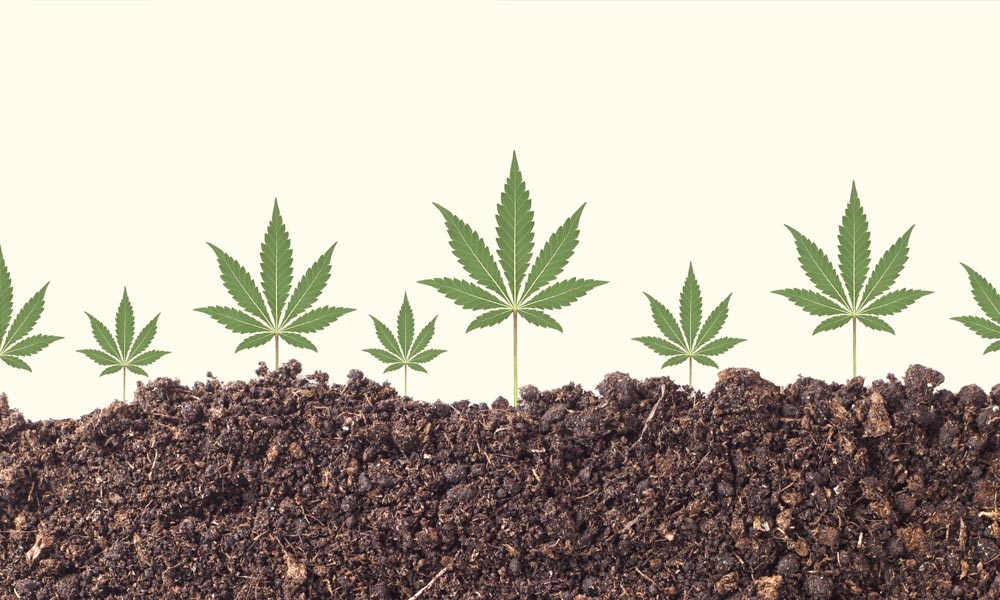
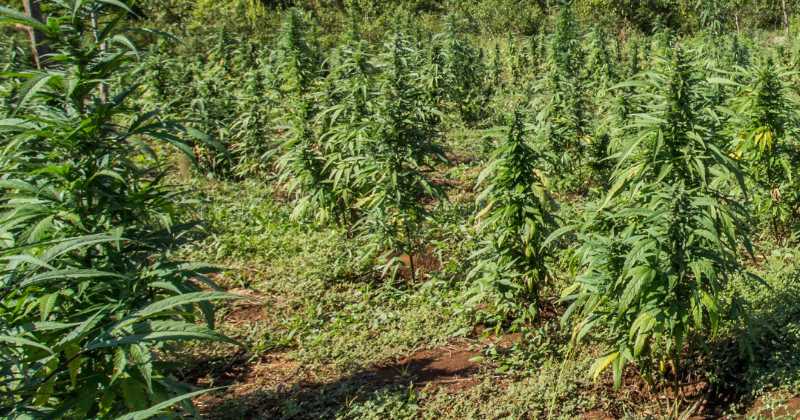
While the phytoremediation properties of hemp are well known, a recent study shows that, in addition to decontaminating soil, hemp grown on toxic soil produces more CBD without increasing its THC levels.
Toxic soil produces clean hemp flowers
The study draws several interesting conclusions for hemp growers.
On the one hand, the production of cannabinoids may be «significantly influenced by soil conditions in mining areas,» representing a potentially lucrative new opportunity for hemp growers looking for available land, for example in northern France. The Hemp removes some heavy metals toxins present in the soil, while producing more CBD than hemp grown in clean soil.
On the other hand, the heavy metals absorbed by the hemp plants were found in the leaves but not in the flowers, as one of the researchers confirmed.
«We observed metal uptake in the leaves and excretion from the soil, but not in the flowers,» he declared Sairam Rudrabhatla, a biology professor at the Pennsylvania State University-Harrisburg and one of the study's lead authors.
The details of the flower analysis were not published in the study. But when the flowers were tested for heavy metals, «none were present,» as confirmed by Hannah George, director of the laboratory at the Penn State Central Pennsylvania Research and Teaching Laboratory for Biofuels, on Leafly.
Study details
In this study, 6 different varieties of industrial hemp (Fedora 17, Felina 32, Ferimon, Futura 75, Santhica 27, and USO 31) were grown in two different types of contaminated soil and two commercial potting mixes (Miracle-Gro Potting Mix and PRO-MIX HP Mycorrhizae High Porosity Grower Mix).
The plants were exposed to two different environmental conditions: outdoors and in a greenhouse. On average, the plants grown in the greenhouse were taller than those grown outdoors.
In addition, an analysis of heavy metals (arsenic, lead, nickel, mercury, and cadmium) was conducted. The nickel concentration was 2.54 times higher in the leaves of hemp grown outdoors in mine soil than in those grown in greenhouses.
An analysis of the hemp flowers Cultivated in soil from mining sites, it showed a significant increase in total cannabidiol content (2,16%, 2.58%) compared to the Miracle-Gro control soil (1.08%, 1.6%) in outdoor and greenhouse settings, respectively. Molecular analysis indicated an 18-fold increase in the expression of the cannabidiolic acid synthase gene in plants grown in the mine soil.
«It’s truly remarkable,» Rudrabhatla said. »Few plants can tolerate such high levels of nickel, arsenic, and so many other toxins. It’s a remarkable plant with many beneficial properties.»















EFSA Gives Initial Approval for Synthetic CBD; Natural Extracts Still Pending

Federal Cannabis Reform Once Again on Hold in the United States

Contest: Win a trip to Quebec to experience the hemp harvest firsthand

Bedrocan on Hold Amid Uncertainty Over Medical Cannabis

Newsweed Launches Its Own AI
A new tax of 0.5% could disrupt the hemp industry in Canada

Medical Cannabis and Driving: New South Wales Ends Automatic Penalties for THC

China's Yongji Health Takes Control of Tasmanian Botanics

Autism and Cannabis: Results from the First Placebo-Controlled Trial of NTI164

Which countries legalized medical cannabis before France?
-
 Cannabis and driving3 weeks ago
Cannabis and CBD: French Drivers Can Now Lose Their License Even Without a Positive Test Result
-

 Cannabis in France6 days ago
Which countries legalized medical cannabis before France?
-
Cannabis in France3 weeks ago
Cannabis Legalization: The LFI Bill Has a Major Problem—THC
-
Cannabis in the Netherlands2 weeks ago
One year after the launch of the Dutch cannabis experiment, the first trends are emerging
-
Business6 days ago
South Korea is preparing to begin local production of medical cannabis to meet rising demand
-
Cannabis in Thailand6 days ago
From the boom in dispensaries to a purely medical approach: Thailand is revising its cannabis policy
-
Cannabis in Argentina2 weeks ago
Argentina Opens Its Market to Hemp Flowers Containing 1% of THC
-
Cannabis in France2 weeks ago
French medical cannabis remains stalled at the Ministry of Health












You must be logged in to post a comment Login