
Eswatini takes a step towards legalizing medical cannabis


The the African country of Eswatini introduced legislation aimed at legalizing the medical marijuana. If this law is passed, it will mark a significant shift in the country’s approach to cannabis, repealing a law that is more than a century old which currently prohibits cannabis.
Historical and Legislative Background
L’Eswatini, formerly known as Swaziland, is a landlocked nation in Southern Africa. The current ban on cannabis in Eswatini stems from a law enacted by the British in 1922, known as the «Opium and Habit-forming Drugs Act.» This law remained in effect long after Eswatini gained independence from British rule in 1968 and even after the country changed its name from Swaziland to Eswatini in 2018.
The news medical cannabis legislation The legislation introduced by King Mswati III and the government of Eswatini is considered a crucial step toward modernizing the country’s legal framework and addressing the economic and social problems posed by the illegal cannabis market. According to Alpheous Nxumalo, a government spokesperson, the legislation aims to reduce illegal sales, secure tax revenue, and enable local farmers who have been involved in the cannabis trade to earn a living.
Economic and social implications
The potential economic benefits of legalizing medical cannabis in Eswatini are significant. As noted by the CEO of Business Eswatini, E. Nathi Dlamini, the country must catch up with the’global medical cannabis industry in order to attract investment and to create the jobs it so desperately needs. Legalization could also help diversify the economy, which has long been plagued by high unemployment rates and limited industrial development.
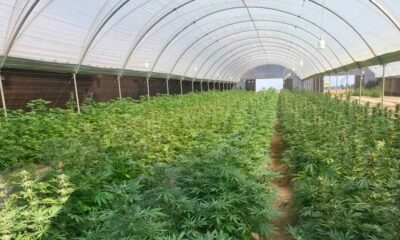
One of the main motivations behind the legislation is to formalize and regulate the cannabis industry in order to reduce the black market that currently dominates the sector. This sentiment is shared by merchant Maqhawe Tsabedze, who has supported his family through the illegal sale of cannabis. Legalization would not only legitimize his business but also provide him with legal protection against police raids and product confiscations, offering him a more stable and secure livelihood.
Health and Community Benefits
Beyond the economic benefits, the legalization of medical cannabis could have profound benefits for the health of Eswatini’s residents. Dr. Thys Louren, a physician at Occupational Health Eswatini, advocates for legalization, highlighting its potential to transform the country’s healthcare landscape. He asserts that it would provide a holistic solution for patients, thereby improving the health and sustainability of the community as a whole.
Eswatini has a high prevalence of HIV/AIDS, and many residents—particularly elderly women—have turned to growing cannabis, known locally as «Swazi Gold,» to provide for their families and their orphaned children. The Guardian reported in 2021 that these women resorted to illegal farming due to extreme poverty and a lack of government assistance. Legalization could provide them with a legal means of earning money while offering therapeutic benefits to manage the symptoms of HIV/AIDS.
Legislative Process and Challenges
The proposed medical cannabis legislation still faces several hurdles before it can become law. It requires a three-quarters majority vote in both the House of Assembly and the Senate. Previous attempts to pass similar legislation have failed. In 2020, a version of the bill was introduced by Eswatini’s Ministry of Health but did not move forward. The bill resurfaced in May 2023, but concerns remain regarding its implementation and the potential dominance of wealthy corporations in the market.
The Eswatini Cannabis Association (ESA) has expressed concerns about the proposed regulatory framework, which would establish a drug regulatory authority responsible for overseeing the import, export, and wholesale trade of cannabis products. ESA President Saladin Magagula argued that this structure could give rise to conflicts of interest, as the authority could potentially issue licenses to itself while regulating other stakeholders.
Regional and Global Context
Eswatini’s move toward legalizing medical cannabis is part of as part of a broader trend across Africa. In 2018, the Zimbabwe has legalized medical cannabis and, in May 2024, the’South Africa has legalized cannabis for personal use, without legalizing its sale.
The country's unique position in the regional cannabis landscape was also highlighted in a 2013 documentary directed by Strain Hunters, which explored the local cannabis industry and the genetic characteristics of Swazi Gold. As more and more African countries legalize cannabis, Eswatini’s decision could pave the way for greater integration into the global cannabis market.






















Argentina Opens Its Market to Hemp Flowers Containing 1% of THC

The French Socialist Party still doesn't know how to approach the legalization of cannabis

Science in the City International: Paris at the Heart of Transatlantic Scientific and Medical Dialogue

Christine Fréchette is alienating Quebec’s cannabis industry

Rima Hassan: When «Drugs» Become a Political Weapon

From Marathons to Ultratrails: How Extreme Running Affects the Endocannabinoid System

Four days of THC may make breast cancer less aggressive, according to a new study

Medical Cannabis: 14 Organizations Finally Call for Enforcement of the Law

One year after the launch of the Dutch cannabis experiment, the first trends are emerging

High Ground: The Crash of a Plane Full of Marijuana That Made History in Yosemite
-
 Cannabis and driving1 week ago
Cannabis and CBD: French Drivers Can Now Lose Their License Even Without a Positive Test Result
-
Cannabis in France2 weeks ago
Cannabis Legalization: The LFI Bill Has a Major Problem—THC
-

 Cannabis in the Netherlands4 days ago
One year after the launch of the Dutch cannabis experiment, the first trends are emerging
-
Cannabis in France5 days ago
French medical cannabis remains stalled at the Ministry of Health
-
Business4 days ago
The United Kingdom Is Moving Closer to a Regulated CBD Market
-
Cannabis in Europe2 weeks ago
Andorra Paves the Way for Medical Cannabis Cultivation
-
Cannabis in France2 weeks ago
Drought: Could Hemp Become the New Hope for French Farmers?
-
Cannabis in Argentina1 day ago
Argentina Opens Its Market to Hemp Flowers Containing 1% of THC














You must be logged in to post a comment Login