Eaze, California's weed Uber, to cease operations

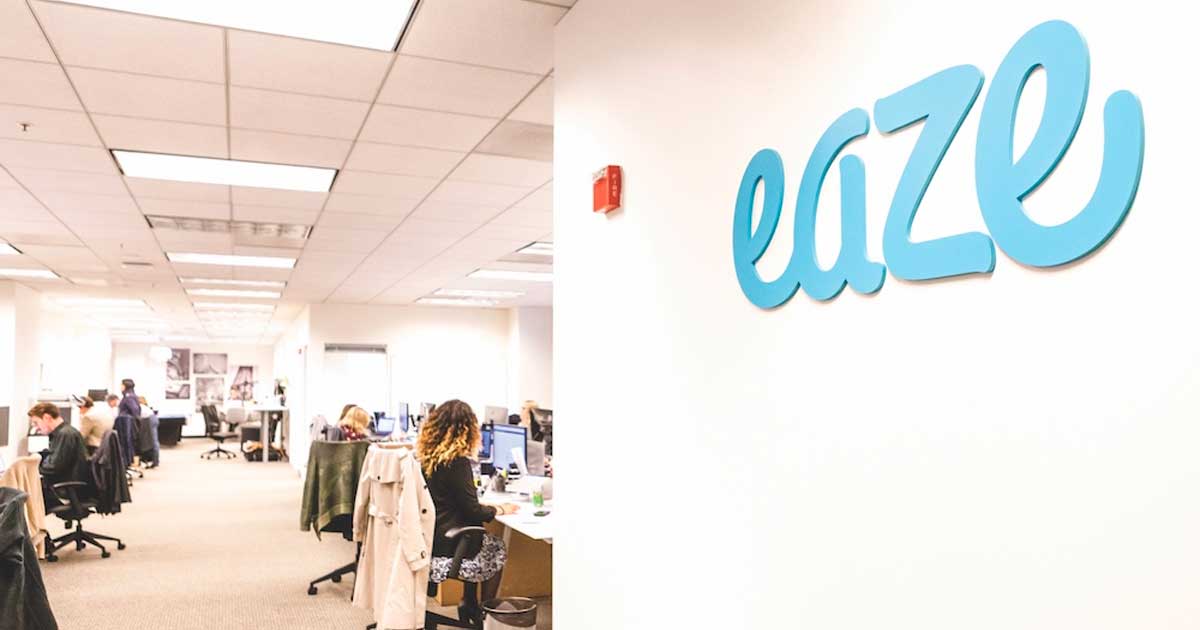
With its on-demand delivery app, Eaze has transformed cannabis purchasing in California. But creating a premium customer experience for a once illegal product presents a whole range of challenges that the company regarded as the Uber of weed was unable to overcome completely.
Rise and fall
Founded in 2014 and based in San Francisco, the company first made headlines for revolutionizing cannabis delivery by providing a mobile app and the ability to pay by credit card. Over the years, Eaze has expanded its operations to serve cities in California and Michigan, s reputation as one of the leading cannabis delivery services in the United States.
Recently acquired by technology billionaire James Henry Clark, co-founder of Netscape, questions were beginning to be asked about its future.
Behind the scenes, reports of financial instability began to emerge as the company grappled with an increasingly competitive market, regulatory hurdles and the complexities of a still-developing sector.
Eaze plans to reduce its activities
In a recent company-wide announcement, Eaze has informed its employees that it plans to cease operations within «the next two months». This announcement raises many questions about the future of the company and its employees, as well as the thousands of customers who use its delivery services around the world. Michigan and in California.
The company has not yet revealed the exact number of employees who will be affected by these layoffs, nor the number of customers who will lose access to its services. This news, reported by KRON4, has made waves in the cannabis industry, not least because of Eaze's important role in standardizing cannabis delivery and setting standards for other companies in the sector.
For the time being, Eaze has not issued an official statement on the closure. However, the company has confirmed that operations will continue to wind down over the coming months.
James Henry Clark acquires Eaze's assets
In August, James Henry Clark, co-founder of Netscape and a major investor in Eaze Technologies, has acquired the company's assets for $56 million. The acquisition took place in a public telephone sale and marks an important turning point in Eaze's history. According to Green Market Report, Clark's company, FoundersJT, a specialist in this type of transaction, now owns the following assets:
- Accounts
- Title deeds (monetary bonds and collateral)
- Commercial liability claims
- Deposit accounts and cash
- Equipment and inventory
In particular, FoundersJT did not take over certain debts of’Eaze, including any outstanding invoices to brands, manufacturers and vendors. This strategic decision allows the new owners to concentrate on the company's most valuable assets, unencumbered by previous financial obligations.
Early October, Cory Azzalino, Eaze's CEO, said the new owner was assessing the status of operations in each state where Eaze is active. A decision on whether to continue or close certain operations was expected by the end of the year.
«The new ownership group is evaluating the status of operations in each state and expects to make a decision before the end of the year on what will continue to operate or be closed,» Azzalino told Green Market Report by email at the time.
Industry reaction to Eaze's uncertain future
Eaze's potential closure is significant not only for its employees and customers, but for the cannabis industry as a whole. As a pioneer in cannabis delivery, Eaze has helped shape consumer expectations and set industry standards. Its user-friendly application, wide choice of products and ability to operate within complex regulatory frameworks have made it a model for other cannabis delivery services.
The perspective that’Eaze Technologies s decision to cease operations is a stark reminder of the difficulties that cannabis businesses continue to face. While legalization efforts in states such as California and the Michigan have helped expand the market, it remains difficult to navigate the regulatory landscape, secure financing and compete with black market operators.
The company's financial difficulties also highlight the need for more robust business models in the cannabis sector. As the industry matures, companies that rely on significant venture capital investment, as Eaze did, can find themselves in precarious situations if they fail to achieve profitability.






















Medical Cannabis in Germany: THC Prices Vary by a Factor of 12

France already has 3,000 cannabis retail outlets. None of them are legal.

Morocco's exports of legal cannabis have expanded to 15 countries

Aurora Cannabis Doubles Its Production Capacity in Germany

Tilray is accelerating its operations in Europe thanks to a license in Portugal

Boston will host the 10th annual State of the Cannabis Industry Conference on October 26

A DEA report confirms that there are no fatal cannabis overdoses

A British patient is challenging the NHS's refusal to reimburse medical cannabis

October 2026 CBD Highlights: 10 Strains and Hash to Discover from 5 French Producers

CBD in France: Traceability, Retail Stores, THC and Driving… What the New Bill Proposes
-
 Business2 weeks ago
The legal cannabis market in New York exceeds 4 billion $ in revenue
-

 Cannabis in France3 weeks ago
Which countries legalized medical cannabis before France?
-
Business3 weeks ago
South Korea is preparing to begin local production of medical cannabis to meet rising demand
-
Cannabis in Thailand3 weeks ago
From the boom in dispensaries to a purely medical approach: Thailand is revising its cannabis policy
-
Cannabis and driving3 weeks ago
Medical Cannabis and Driving: New South Wales Ends Automatic Penalties for THC
-
Cannabis in Argentina4 weeks ago
Argentina Opens Its Market to Hemp Flowers Containing 1% of THC
-
Autism3 weeks ago
Autism and Cannabis: Results from the First Placebo-Controlled Trial of NTI164
-
Cannabis in France2 weeks ago
France’s Drug Policy Chief Defends Cannabis Prohibition... and Runs Into the Facts

















You must be logged in to post a comment Login