Electronic cigarette disease: is cannabis really to blame?


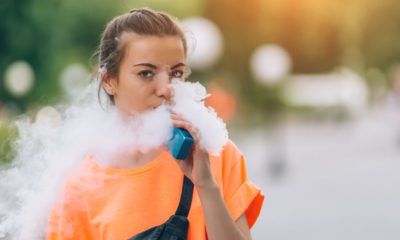
Numerous accidents linked to the consumption of electronic cigarettes are currently occurring in the United States. The latest figures show at least 215 people intoxicated in 25 states as of August 30, including one death in Illinois, according to the latest update from Centers of Disease Control (CDC) last Friday.
Reports indicate severe acute respiratory distress resembling lipoid pneumonia. The lungs fill with fluid, become extremely inflamed, and momentarily or permanently lose their function. In California, two patients required mechanical ventilation. Steroids alleviated the inflammation of the lungs, but their recovery took several weeks of hospital care. Some patients will have permanent lung damage.
California has 24 suspected cases of hyperinflammatory lung response, initially identified in the town of Hanford on August 14, following 7 young adults who suffered sudden acute respiratory distress the previous month. The common denominator: each person had purchased THC cartridges on the black market.
Accidents are not caused by legal products
No reported cases have been associated with a cannabis product sold on legal markets, whether for medical or adult use. Most of the accidents occurred in states or counties that have not legalized cannabis: Connecticut, Illinois, Indiana, Iowa, Minnesota, Michigan, North Carolina, New Jersey, New Mexico, New York, Pennsylvania, Texas, Utah and Wisconsin. The California accidents occurred in Kings County, which has banned cannabis stores.
The American authorities are currently investigating the source of these accidents. Several products have been submitted by the victims for analysis, from several street brands, the results of which are not yet known.
The CDC, which is just beginning to gather information, is also unsure whether all the poisonings are linked to a single contaminant or a combination of toxins, or whether the victims suffer from the same illness or when the respiratory problems actually began.
«The most important thing is that there are a whole bunch of things in e-cigarettes that can have implications for proper lung function,» said Dr. Brian King, deputy director of the CDC.
The black market does not guarantee product quality
E-liquid cartridges, with or without cannabinoids, have been around for several years. They are generally composed of propylene glycol, vegetable glycerine or MCT, components considered safe in France, slightly less so in the United States, where the FDA has proposed adding propylene glycol to its list of «harmful or potentially harmful constituents of tobacco products».
Analyses have also revealed the presence of pesticides, extraction solvent residues, heavy metals and synthetic cannabinoids in cartridges purchased on the black market. But no intoxications like those seen this summer. And the black market didn't wait until this summer to sell THC cartridges. In fact, they sometimes imitate the legal brands, with cartridges coming from China, with no quality control and very easy to find. Has something changed?
Leafly investigated for its part and talks about a new thickening agent used since late 2018 in California's «cartridge factories», illegal it goes without saying. The product is a new class of odorless and tasteless thickening agents, which come from different formulations manufactured by both legal and independent companies, and by companies underground.
«Nobody knows what this product is made of, and the manufacturer's safety instructions say not to use it at high temperatures,» Peter Hackett, owner of’Air Vapor Systems in California. Peter Hackett's company supplies thinners to cannabis cartridge manufacturers across the country. «It's a big problem, this kind of thickening agent. If you take a solution that thickens solutions, what do you think that's going to do for your lungs?»
Another possibility lies simply in the incorrect use of legal substances, such as viscous agents originally used in cosmetics to dilute THC in applied balms or lotions, but prohibited for inhalation or ingestion. Or electronic cigarette resistors that heat up the compounds in the liquid, potentially releasing harmful gases.
The only sure thing, however, is that the black market does not analyze its products.
«We are confident in our products and encourage everyone to do their own testing. It's still the Wild West and there's still a lot of misinformation out there,» said Disinger, marketing manager from True Terpenes, a legal business based in Oregon.
«We believe that these additives should be regulated,» explains David Heldreth, Chief Science Officer from True Terpenes. «Unfortunately, it takes someone getting hurt for people to take such things seriously.»

















«Vincy Gold»: Humboldt Seed Company on the Hunt for Saint Vincent Sativas

Cronos Completes the Acquisition of CanAdelaar for 57.5 million euros

Cannabis with a "bloody" twist: Discover Sensi True Blood and Sensi Sangria, the two new strains from Sensi Seeds

Hemp: The Council of the EU Takes a Stand on New Production and Marketing Rules

Missouri's legal cannabis market accounts for 93 % of consumer spending

THC Gummies: How to Read a Certificate of Analysis Before Buying

British patients now have access to THCV-rich cannabis flowers

Spain: Medical Cannabis Is Coming to About 50 Hospitals

JIHE 2026: Japan’s Largest Trade Show Dedicated to Hemp and CBD Returns to Tokyo with More Than 100 Industry Players

New Caledonia: The Courts Clear the Way for the Return of CBD
-
 Business3 weeks ago
The legal cannabis market in New York exceeds 4 billion $ in revenue
-

 Cannabis in France4 weeks ago
Which countries legalized medical cannabis before France?
-
Cannabis in France1 week ago
France already has 3,000 cannabis retail outlets. None of them are legal.
-
Business4 weeks ago
South Korea is preparing to begin local production of medical cannabis to meet rising demand
-
Cannabis in the U.S.1 week ago
A DEA report confirms that there are no fatal cannabis overdoses
-
Cannabis in Thailand4 weeks ago
From the boom in dispensaries to a purely medical approach: Thailand is revising its cannabis policy
-
Cannabis and driving4 weeks ago
Medical Cannabis and Driving: New South Wales Ends Automatic Penalties for THC
-
Cannabis in France3 weeks ago
France’s Drug Policy Chief Defends Cannabis Prohibition... and Runs Into the Facts
















You must be logged in to post a comment Login