
Barcelona City Council takes on Cannabis Clubs

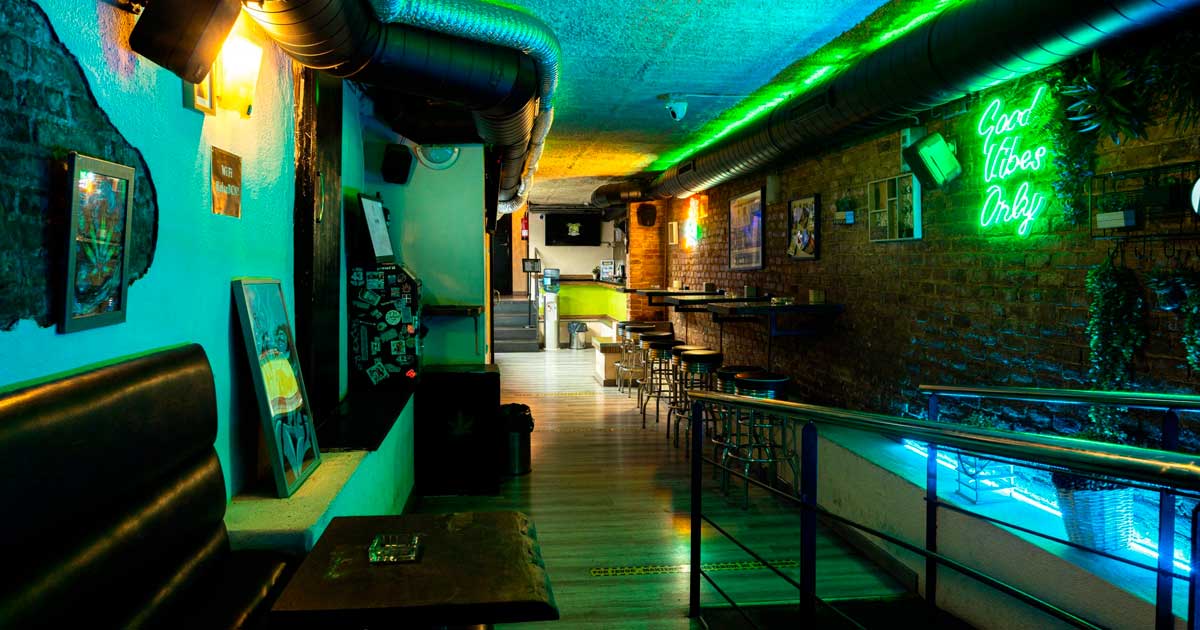
The Barcelona City Council, led by Jaume Collboni, is seriously considering the closure of all Cannabis Clubs. These establishments, who have prospered over the last decade, have become the main way to access cannabis in the city.
The recent shift in the Council's stance, which had been quite protective until now, has triggered a series of inspections and raised concerns among Club administrators and activists who have long defended the unique model of Barcelona's Cannabis Clubs.
Legal uncertainty and political change
The City Council's new determination to close cannabis social clubs marks a significant shift from its previous stance of tolerance and a defense of regulation. Albert Batlle, third deputy mayor and security councilor, recently declared the Council's intention to «put an end» to these clubs, emphasizing the need for a meticulous approach «with legal certainty, with rigor, and without clashes caused by haste.».
In 2021, the High Court of Justice of Catalonia canceled the city council's regulation from 2016, leaving these establishments without a legal basis.
Recent inspection campaigns, distinct from the previous ones, These aim to verify if cannabis consumption is actively encouraged within these clubs. Club administrators reveal increased intensity during these inspections, suggesting a potential crackdown on cannabis-related activities. The Council, while remaining discreet on the matter, states that it is working to «ensure the legality of these establishments.».
Conflicting perspectives
The controversy surrounding Barcelona's cannabis social clubs has generated confusion and frustration among activists who have long championed this model as a way to divert cannabis consumption from the streets, thereby reducing associated risks.
However, the lack of clear regulation has allowed a subset of unscrupulous establishments to operate, blurring the lines between legitimate clubs and those that facilitate illicit activities. Activists lament being unfairly grouped with dealers by the City Council, and insist on the need for nuanced regulation that distinguishes between responsible cannabis consumption and illicit trade.
International reconnaissance
As Barcelona considers closing Cannabis Social Clubs, other countries are adopting similar models. Germany is preparing to open such places in April 2024, while the Czech Republic recently curbed its ambitions for full legalization to move towards the establishment of Cannabis Social Clubs. Malta also Make the clubs' bet while different models of associations also exist in South America.
In December, experts from Barcelona met with the President of Malta to share their observations on the functioning of these spaces, emphasizing the international interest and recognition of this model.
Despite the regulatory challenges encountered in Barcelona, the city's cannabis social clubs continue to be a source of inspiration for countries navigating the complex landscape of cannabis legalization and regulation. An international delegation visited Barcelona's clubs last March, including parliamentarians from various European countries, officials from the United States, and representatives from South American countries.






















Argentina Opens Its Market to Hemp Flowers Containing 1% of THC

The French Socialist Party still doesn't know how to approach the legalization of cannabis

Science in the City International: Paris at the Heart of Transatlantic Scientific and Medical Dialogue

Christine Fréchette is alienating Quebec’s cannabis industry

Rima Hassan: When «Drugs» Become a Political Weapon

From Marathons to Ultratrails: How Extreme Running Affects the Endocannabinoid System

Four days of THC may make breast cancer less aggressive, according to a new study

Medical Cannabis: 14 Organizations Finally Call for Enforcement of the Law

One year after the launch of the Dutch cannabis experiment, the first trends are emerging

High Ground: The Crash of a Plane Full of Marijuana That Made History in Yosemite
-
 Cannabis and driving2 weeks ago
Cannabis and CBD: French Drivers Can Now Lose Their License Even Without a Positive Test Result
-
Cannabis in France2 weeks ago
Cannabis Legalization: The LFI Bill Has a Major Problem—THC
-

 Cannabis in the Netherlands6 days ago
One year after the launch of the Dutch cannabis experiment, the first trends are emerging
-
Cannabis in France7 days ago
French medical cannabis remains stalled at the Ministry of Health
-
Business6 days ago
The United Kingdom Is Moving Closer to a Regulated CBD Market
-
Cannabis in Europe2 weeks ago
Andorra Paves the Way for Medical Cannabis Cultivation
-
Cannabis in Argentina3 days ago
Argentina Opens Its Market to Hemp Flowers Containing 1% of THC
-
Cannabis in France3 weeks ago
Drought: Could Hemp Become the New Hope for French Farmers?














You must be logged in to post a comment Login