United States: parents smoke more than their children

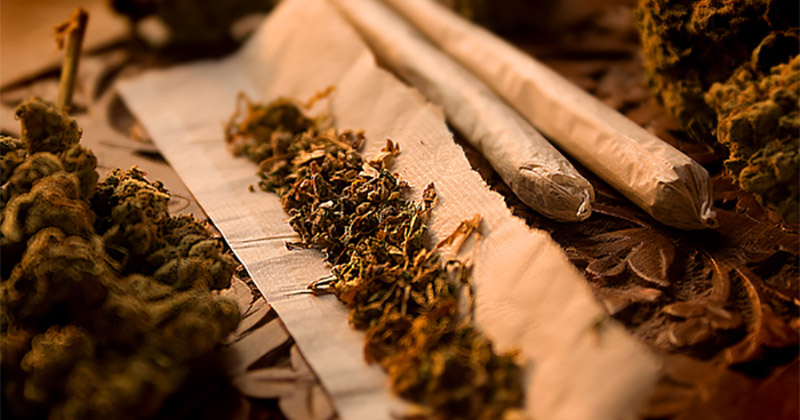
Mom, is that weed I smell? A recent study shows that the number of regular cannabis users aged 35-44 has surpassed that of teenagers for the first time since 2002.
Cannabis use is often attributed to a young, carefree population. From new federal data show a surprising inversion of the good old cliché. Visit Americans in their forties smoke cannabis than their teenage children.
The study, published by Centers for Disease Control and Prevention, found that only 7.4% of Americans aged 12-17 smoked cannabis regularly in 2014, down 10% since 2002. But 8% of 35-44 year-olds regularly consumed weed in 2014, surpassing their children's use for the first time since 2002.
This increase in use affects not only those in their forties, but also those in their fifties and sixties. Since 2002, use among 45-54 year olds has increased by 50%, and by 455% for 55-64 year olds (yes, yes, 455%). And for the over-65s, monthly cannabis use has increased by 333%, again since 2002.
Over the past 13 years, cannabis consumption has steadily increased in the United States, particularly among people aged 26 and over. And if the trend continues, the over-50s could soon be consuming more cannabis than their grandchildren.
One of the arguments against cannabis is that legalization would have a negative impact on teenagers. And the concern makes sense: the brains of adolescents and young adults are still developing, and are therefore more sensitive to the harmful long-term effects of cannabis. The figures relayed by this study show that legalization decreases cannabis consumption among young people, and that it's no longer necessary to wonder why Grandma has red eyes.
Several factors may explain this rise in consumption among the 35+ age group in the USA. The first is, of course, the growing prevalence of medical cannabis, now authorized in 25 states and the District of Columbia. Older Americans are turning more to medical cannabis to treat age-related conditions such as insomnia, pain and arthritis.
Another explanation focuses more on the history of these consumers, who are taking advantage of the looser restrictions on cannabis consumption to relive some of the recreational experiences of their youth. This generation already supported legalization in the 70s. But as they entered the job market, settled down and started families, their support for changing the laws plummeted. It began to return in the late 90s. Today, more than half support legalization.
While opponents and supporters of legalization worry about the fate of young people in the event of legalization, it would seem that legalization would bring more changes to the lives of those old enough to be parents or grandparents.









«Vincy Gold»: Humboldt Seed Company on the Hunt for Saint Vincent Sativas

Cronos Completes the Acquisition of CanAdelaar for 57.5 million euros

Cannabis with a "bloody" twist: Discover Sensi True Blood and Sensi Sangria, the two new strains from Sensi Seeds

Hemp: The Council of the EU Takes a Stand on New Production and Marketing Rules

Missouri's legal cannabis market accounts for 93 % of consumer spending

THC Gummies: How to Read a Certificate of Analysis Before Buying

British patients now have access to THCV-rich cannabis flowers

Spain: Medical Cannabis Is Coming to About 50 Hospitals

JIHE 2026: Japan’s Largest Trade Show Dedicated to Hemp and CBD Returns to Tokyo with More Than 100 Industry Players

New Caledonia: The Courts Clear the Way for the Return of CBD
-
 Business3 weeks ago
The legal cannabis market in New York exceeds 4 billion $ in revenue
-

 Cannabis in France4 weeks ago
Which countries legalized medical cannabis before France?
-
Cannabis in France1 week ago
France already has 3,000 cannabis retail outlets. None of them are legal.
-
Business4 weeks ago
South Korea is preparing to begin local production of medical cannabis to meet rising demand
-
Cannabis in the U.S.1 week ago
A DEA report confirms that there are no fatal cannabis overdoses
-
Cannabis in Thailand4 weeks ago
From the boom in dispensaries to a purely medical approach: Thailand is revising its cannabis policy
-
Cannabis and driving4 weeks ago
Medical Cannabis and Driving: New South Wales Ends Automatic Penalties for THC
-
Cannabis in France3 weeks ago
France’s Drug Policy Chief Defends Cannabis Prohibition... and Runs Into the Facts

















You must be logged in to post a comment Login