
UN reclassifies cannabis and recognizes its medical properties

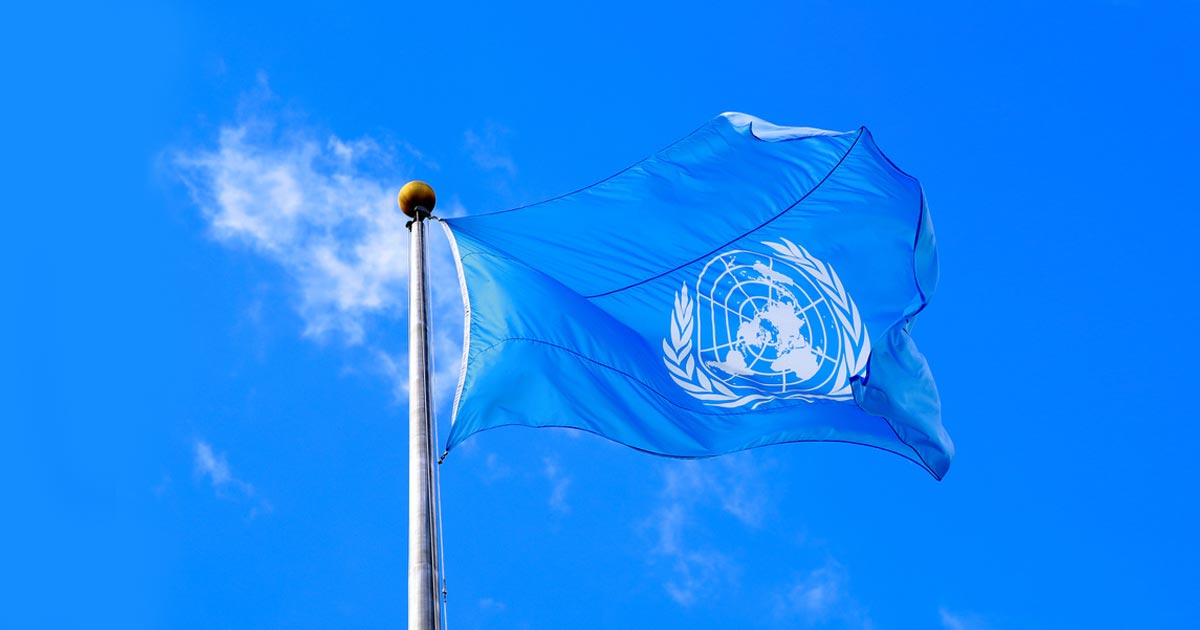
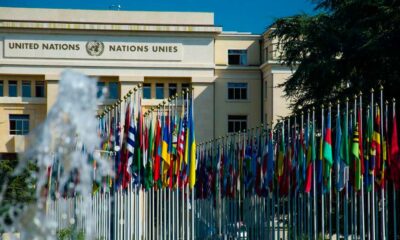
After two years of heated debate, the United Nations Commission on Narcotic Drugs (CND) voted today in Vienna to Remove cannabis from Schedule IV of the Single Convention the 1961 Single Convention on Narcotic Drugs, which applies only to controlled substances with limited or no therapeutic value.
The UN thus recognizes the therapeutic value of cannabis, thereby reinforcing the international imperative to ensure access to cannabis-based medicines.
While welcoming the removal from Schedule IV, drug policy experts have expressed serious concerns that cannabis will remain listed in Schedule I of the 1961 Single Convention on Narcotic Drugs, thereby keeping it under the same strict controls as heroin and cocaine.
Following the World Health Organization’s (WHO) first-ever scientific review of cannabis in 2018, a A limited rescheduling of cannabis has been recommended, but removing it from Schedule I was not among the recommendations, despite the WHO’s conclusion that cannabis was less harmful than most other Schedule I drugs.
The UN’s review of cannabis also highlights the stark disconnect between decision-making in international bodies and the growing momentum for drug policy reform around the world.
More than 50 countries around the world have now adopted medical cannabis programsl, while Uruguay, the Canada, the Mexico, the Luxembourg, theSouth Africa, 15 U.S. states and several other jurisdictions have regulated or are in the process of regulating non-medical cannabis.
«With this decision, the UN is putting an end to 60 years of denial regarding what has been documented as one of the oldest medicinal plants ever domesticated by humankind,» commented Kenzi Riboulet-Zemouli, an independent researcher and president of the FAAAT.
The final vote on removing cannabis from Schedule IV was very close, with 27 votes in favor, 25 against, and 1 abstention. The Russian Federation rallied a bloc of countries—including 15 voting member states of the CND—behind a common position, arguing that «the classification of cannabis should not be changed» because doing so «would lead to confusion and a loosening of the established international regulatory framework.».
All other proposals were rejected, including the one on the classification of CBD, which therefore remains unclassified and outside international control.


















Contest: Win a trip to Quebec to experience the hemp harvest firsthand

Bedrocan on Hold Amid Uncertainty Over Medical Cannabis

Newsweed Launches Its Own AI
A new tax of 0.5% could disrupt the hemp industry in Canada

Medical Cannabis and Driving: New South Wales Ends Automatic Penalties for THC

China's Yongji Health Takes Control of Tasmanian Botanics

Autism and Cannabis: Results from the First Placebo-Controlled Trial of NTI164

Which countries legalized medical cannabis before France?

From the boom in dispensaries to a purely medical approach: Thailand is revising its cannabis policy

South Korea is preparing to begin local production of medical cannabis to meet rising demand
-
 Cannabis and driving3 weeks ago
Cannabis and CBD: French Drivers Can Now Lose Their License Even Without a Positive Test Result
-

 Cannabis in France6 days ago
Which countries legalized medical cannabis before France?
-
Cannabis in France3 weeks ago
Cannabis Legalization: The LFI Bill Has a Major Problem—THC
-
Cannabis in the Netherlands2 weeks ago
One year after the launch of the Dutch cannabis experiment, the first trends are emerging
-
Business6 days ago
South Korea is preparing to begin local production of medical cannabis to meet rising demand
-
Cannabis in Thailand6 days ago
From the boom in dispensaries to a purely medical approach: Thailand is revising its cannabis policy
-
Cannabis in Argentina2 weeks ago
Argentina Opens Its Market to Hemp Flowers Containing 1% of THC
-
Cannabis in France2 weeks ago
French medical cannabis remains stalled at the Ministry of Health












You must be logged in to post a comment Login