
For the UFC, cannabis no longer contravenes anti-doping rules

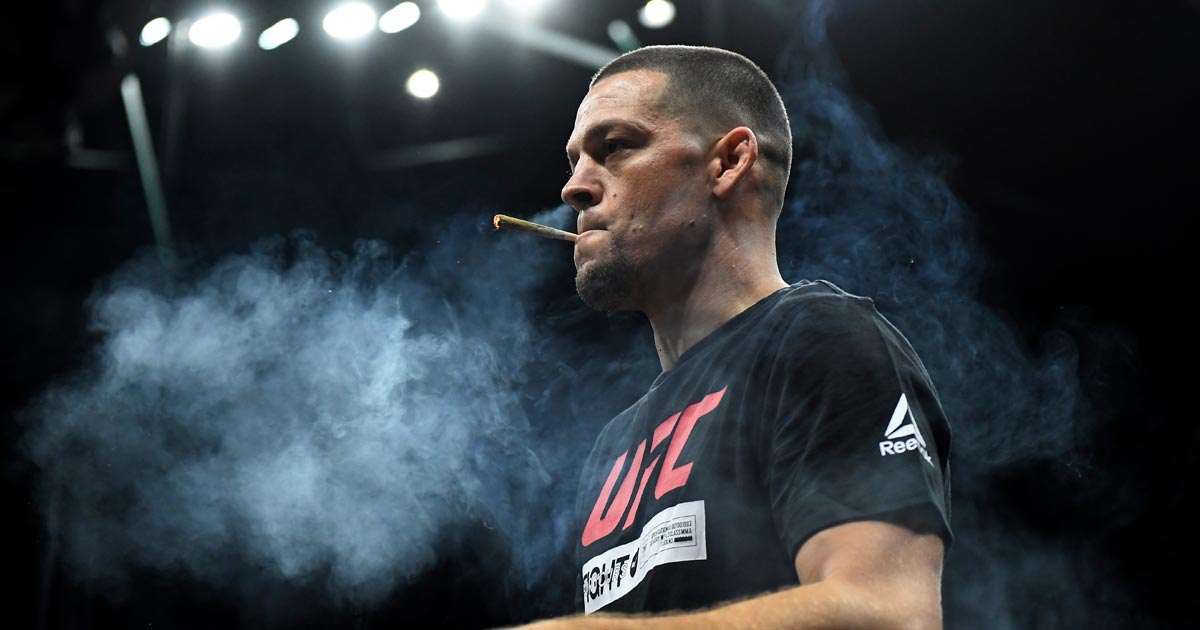
L’Ultimate Fighting Championship The UFC and the U.S. Anti-Doping Agency (USADA) announced Thursday that cannabis would no longer necessarily be banned for fighters.
Officials from the UFC and USADA said they had made significant changes «in how they handle cannabis and its natural cannabinoid compounds.».
Under the new policy, people who test positive for THC will no longer constitute a violation «unless there is additional evidence that an athlete intentionally used it to enhance performance.»
«Although we want to continue preventing athletes from competing while under the influence of cannabis, we have learned that blood and/or urine levels of carboxy-THC have little or no scientific correlation with impaired performance,» he said declared Jeff Novitzky, UFC Senior Vice President of Athlete Health and Performance. «THC is fat-soluble, which means that once ingested, it is stored in the body’s fatty tissues and organs and can be released into the bloodstream or urine, sometimes long after ingestion.»
«The bottom line is that, when it comes to cannabis, we’re concerned with what an athlete consumed on the day of a fight, not days or weeks before a fight—which has often been the case in our past instances of positive THC tests,» he added.
Jeff Novitzky stated that despite how long THC remains in the body, the effects of cannabis last for hours, not days. He also noted that there is no correlation between the level of THC in an athlete’s body and poor performance.
«Why on earth do we care what someone did a week ago—let alone the night before—when it has no effect on their ability to fight?» he declared Novitzky.
Jeff Novitzky noted that, based on discussions with athletes, a significant percentage of fighters use cannabis, many for medical rather than recreational purposes.
«Many people use it for pain relief, to reduce anxiety, and to help them sleep, instead of more dangerous and addictive drugs,« he said, adding that »it has no effect on a competition on Saturday night, so it’s the right decision, and I’m really excited about this review and this specific policy change.”
In November 2020, the World Anti-Doping Agency had announced plans to remove recreational drugs from the list of banned substances to be classified as «substances of abuse.» Thus, if an athlete can demonstrate that the use of one of these four substances occurred out of competition and was unrelated to a potential increase in athletic performance, the suspension imposed will be three months and may be reduced to one month if the athlete completes a rehabilitation program.










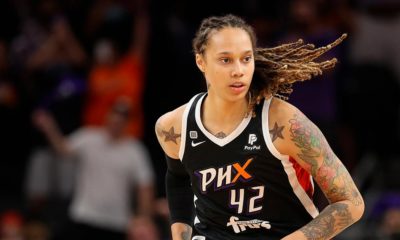




CBD is said to promote athletic recovery, without improving performance

294 cannabis clubs in Chile: a booming movement with uneven distribution

Chronic Sciatica: New York Approves First Clinical Trial of a THC-Based Medication

United States: The DEA is accelerating the integration of medical cannabis at the federal level

Florida is nearing one million patients using medical cannabis

Uruguay Revives Its Plan to Allow Tourists to Legally Access Cannabis

In Brazil, researchers are developing an innovative CBD eye drop

Autism: Medical Cannabis Is Linked to Reduced Anxiety

The $28 billion U.S. hemp market remains under threat

Jamaica Eases Small Farmers' Access to the Cannabis Market
-
 Business5 days ago
The legal cannabis market in New York exceeds 4 billion $ in revenue
-

 Cannabis in France2 weeks ago
Which countries legalized medical cannabis before France?
-
Business2 weeks ago
South Korea is preparing to begin local production of medical cannabis to meet rising demand
-
Cannabis in the Netherlands4 weeks ago
One year after the launch of the Dutch cannabis experiment, the first trends are emerging
-
Cannabis in Thailand2 weeks ago
From the boom in dispensaries to a purely medical approach: Thailand is revising its cannabis policy
-
Cannabis in France4 weeks ago
French medical cannabis remains stalled at the Ministry of Health
-
Cannabis in Argentina3 weeks ago
Argentina Opens Its Market to Hemp Flowers Containing 1% of THC
-
Cannabis and driving2 weeks ago
Medical Cannabis and Driving: New South Wales Ends Automatic Penalties for THC















You must be logged in to post a comment Login