
According to the World Anti-Doping Agency, the United States is responsible for banning cannabis for athletes

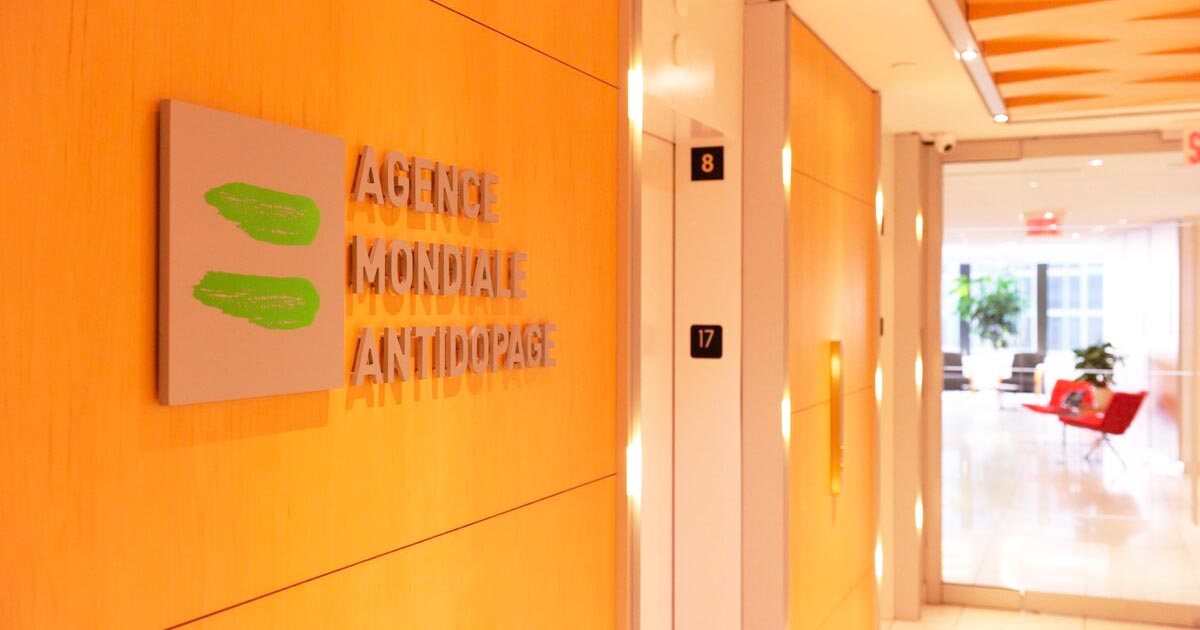
The World Anti-Doping Agency (WADA) makes it clear that the United States played a key role in the inclusion of cannabis on the list of substances banned to international athletes, which led to the suspension of Sha'Carri Richardson for the Tokyo Olympics. WADA also notes that if the USA wants a change of policy, it already has a seat at the table.
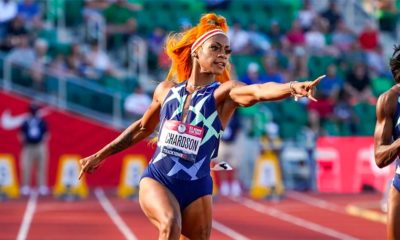
In a letter to Representatives Jamie Raskin and Alexandria Ocasio-Cortez, who recently contacted WADA regarding the suspension of American runner Sha'Carri Richardson following her positive test for cannabis, the world organization explained why cannabis was included in the list of banned substances in the first place and why it could not unilaterally overturn the sanction.
Although WADA regularly reviews and updates the Prohibited List, she pointed out that decisions are taken on the basis of consensus between representatives of participating governments. She pointed out that «since the publication of the first Prohibited List in 2004, WADA has never received any objection from U.S. stakeholders regarding the inclusion of cannabinoids on the Prohibited List.»
WADA publishes response to U.S. Congressman Raskin and Congresswoman Ocasio-Cortez regarding the one-month suspension levied by the United States Anti-Doping Agency (USADA) against Ms. Sha'Carri Richardson.
Read the full response below:https://t.co/LU2H639sOz
ADVERTISING- WADA (@wada_ama) July 10, 2021
«On the contrary, as some media have reported, the United States has been one of the strongest advocates of including cannabinoids on the Prohibited List,» says Witold Banka's letter, WADA President. «Minutes of meetings and written submissions received from the U.S. for nearly two decades, particularly from [the U.S. Anti-Doping Agency], have consistently argued for the inclusion of cannabinoids on the Prohibited List.»
This point was also made by AMA's first president, Richard Pound, in a recent interview with Marijuana Moment.
«The United States was the first to say, through the’Office of National Drug Control Policy, In our opinion, cannabis is the gateway to drugs. If you can prevent people from using cannabis, they won't move on to cocaine and heroin and other chemical variants of these drugs,« he said.
In their letter, WADA writes that «the argument that some have put forward indicating that anti-doping stakeholders in the United States are bound by archaic thinking regarding the Prohibited List is not supported by the facts.»
«The consultative process in place allows the Prohibited List and Code to be amended, every year,» she continues. «In fact, over time, [...] several such amendments have taken place, and there is nothing to prevent further amendments consistent with the process I have described.»
Part of the consultative process is based on recommendations from WADA's Prohibited List Expert Advisory Group. The letter points out that the U.S. is over-represented on this body, with three of its 12 seats, «including an official with more than two decades of experience in the U.S. National Institutes of Health« . The country also «had greater representation» on WADA's Health, Medicine and Research (HMR) committee «than any other nation».
«Although the United States does not currently sit on WADA's Executive Committee, it is represented more than any other nation in WADA's history,» the document continues. «An important fact for the U.S. Congress to know about this process is that there are more U.S. representatives advising WADA on these scientific issues than any other nation in the world. These decisions are not made in a vacuum.»
The letter further states that while WADA sympathizes «with the circumstances of this case» and applauds «Ms. Richardson's accountability in accepting that the rules are in place for athletes worldwide, WADA simply plays a coordinating role in the development and publication of the Prohibited List.»
«As you correctly noted in your letter, Ms. Richardson's test and resulting suspension were administered and adjudicated by USADA. WADA did not make that determination and, therefore, is simply not in a position to overturn Ms. Richardson's Oregon test results, the 30-day suspension imposed by USADA, or the U.S. Athletic Committee's decisions regarding her participation in the Tokyo Olympics.»
Separately, the US Anti-Doping Agency (USADA) also responded to Raskin and Ocasio-Cortez's letter last week. It stated that cannabis rules for international athletes «must change».
Last week, USADA had already expressed its sympathy for Richardson and indicated that it might be time to re-evaluate cannabis prohibition, but the latest statement explicitly calls for a change in policy.
Joe Biden had reacted to this eviction by reminding us that «the rules are the rules», but that these rules should perhaps be re-evaluated, while being proud of Sha'Cari Richardson's reaction following his suspension.

















CBD is said to promote athletic recovery, without improving performance

294 cannabis clubs in Chile: a booming movement with uneven distribution

Chronic Sciatica: New York Approves First Clinical Trial of a THC-Based Medication

United States: The DEA is accelerating the integration of medical cannabis at the federal level

Florida is nearing one million patients using medical cannabis

Uruguay Revives Its Plan to Allow Tourists to Legally Access Cannabis

In Brazil, researchers are developing an innovative CBD eye drop

Autism: Medical Cannabis Is Linked to Reduced Anxiety

The $28 billion U.S. hemp market remains under threat

Jamaica Eases Small Farmers' Access to the Cannabis Market
-
 Business6 days ago
The legal cannabis market in New York exceeds 4 billion $ in revenue
-

 Cannabis in France2 weeks ago
Which countries legalized medical cannabis before France?
-
Business2 weeks ago
South Korea is preparing to begin local production of medical cannabis to meet rising demand
-
Cannabis in the Netherlands4 weeks ago
One year after the launch of the Dutch cannabis experiment, the first trends are emerging
-
Cannabis in Thailand2 weeks ago
From the boom in dispensaries to a purely medical approach: Thailand is revising its cannabis policy
-
Cannabis in France4 weeks ago
French medical cannabis remains stalled at the Ministry of Health
-
Cannabis in Argentina3 weeks ago
Argentina Opens Its Market to Hemp Flowers Containing 1% of THC
-
Cannabis and driving2 weeks ago
Medical Cannabis and Driving: New South Wales Ends Automatic Penalties for THC















You must be logged in to post a comment Login