[TRIBUNE] For a gentle regulation of cannabis in France

Tribune. With record consumption figures, the French cannabis situation remains paradoxical. While the executive is relaunching the war on drugs, this time focusing on users - more than 4 million French people - the legislative power is meeting in a joint information mission on the regulation of the various uses of cannabis (hemp, therapeutic, well-being, recreational), and could see its field of investigation gradually disappear.
The issue of therapeutic cannabis has been settled (in experimental form) by the law of December 24, 2019 and the decree and order of October 7 and 16, 2020, i.e. even before the UN resolution of December 2. All it needs now to become effective is the first issue.
«The cannabis-based medicines used in this experiment are finished products, containing delta-9-tetrahydrocannabinol (THC) and cannabidiol (CBD), and may take the form of dried flowering tops for inhalation by vaporization. In other words, the cannabis plant in its herbal form, hitherto associated with recreational, useless and dangerous use, enters the category of medicinal products used in human medicine.
The issue of so-called «wellness» cannabis, rich in CBD and low in THC, which arose in spring 2018 from the reaction to the opening of the first stores, looks set to be settled following the debates at the World Health Organization that preceded the resolutions put to the UN vote on December 2.
For more than two years, this issue was the subject of a national, judicial and commercial battle, culminating in a ruling by the CJEU in November 2020. Preliminary rulings by the Court of Appeal of Aix-en-Provence, then by the Court of Cassation, will have enabled an entire industry to «blossom» and gain in professionalism, with the support of a few final acquittals.
For nearly three years, the CBD industry has held its ground, despite the setbacks: between indictments, store closures and customs seizures, not to mention banking resistance... the industry has held its ground.
Growers exported, then processed and re-imported their cannabis, without forgetting to cross a European border. Distributors, who often doubled the G.M.P. standard with analyses carried out by foreign laboratories, reopened at 0% THC, then gradually put finished products back on the shelves at 0.2% before it was the CBD flower's turn to gradually reappear in stores that have multiplied all over France.
In the face of these challenges, the industry has shown itself to be exemplary. To the best of our knowledge, no under-the-counter sales of illicit cannabis have been recorded, stores have not become «cannabistros», and so-called «wellness» cannabis has found its market, which, far from having reached maturity, is no longer confined to ersatz THC.
In light of this professionalism, a soft legalization could be proposed.
Fixing the «wellness» sector to cannabis with a dominant CBD ratio, including all varieties whose finished products have a THC level < 5%, this regulation would enable the «wellness» market to flourish with an open offer of all CBD cannabis ranges, while remaining within levels approaching the very first psychoactive or slightly euphoric effects.
Regulations would then be useful to guarantee the quality and traceability of French production by controlling compliance with good agricultural and harvesting practices, geographical origin and cultivated varieties, thus encouraging ecological aspects and the enhancement of territories, but without a state license.
Licenses must be limited to the production of cannabis with a dominant THC ratio reserved for medical purposes and therefore included in Schedule I of the 1961 Convention. Cannabis with a dominant CBD ratio benefits from the derogations granted by international law for production used for purposes other than medical or scientific (horticulture, industrial use, agri-food and now «wellness»). These derogations are transposed into national law by the ministerial decree of August 22, 1990, and the level of THC levels authorized is left to the discretion of individual countries. In the absence of European regulations on the subject, these levels can therefore be adjusted at will by ministerial decision, without ever removing cannabis and its resin from the list of prohibited products.
set by the decree of February 22, 1990.
This national regulation would prohibit sales to minors and consumption in stores. It could also be accompanied by a new contravention punishing the public use of cannabis, replacing the offence of illicit use whose presence in the public health code is now a legal boondoggle.
Above 5 % THC, we could propose decriminalizing the private use of cannabis, including possession, acquisition and cultivation for personal consumption, as authorized by the 1988 UN Convention against Illicit Traffic in Narcotic Drugs and Psychotropic Substances.
The legislative power has no clear mandate in this area. The regulatory authority is invited to assume its responsibilities in organizing the CBD market. The judiciary, which is responsible for decriminalization, is still reluctant in principle. After fifty years of dealing exclusively with the problem of excessive consumption, the judiciary will find it difficult to hand over the baton to health professionals. On the other hand, in this profusion of texts, and therefore of new legal situations, the constitutional solution, both non-partisan and principled, once again seems open.
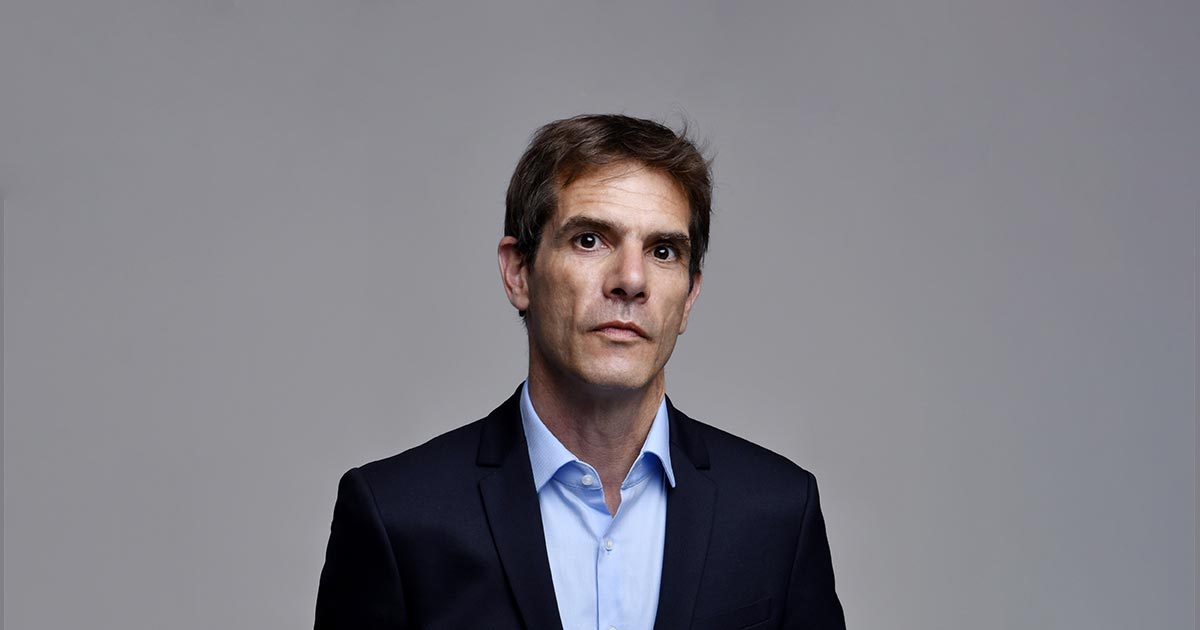
Nicolas Hachet
Lawyer, Bordeaux
04/01/2021




















«Vincy Gold»: Humboldt Seed Company on the Hunt for Saint Vincent Sativas

Cronos Completes the Acquisition of CanAdelaar for 57.5 million euros

Cannabis with a "bloody" twist: Discover Sensi True Blood and Sensi Sangria, the two new strains from Sensi Seeds

Hemp: The Council of the EU Takes a Stand on New Production and Marketing Rules

Missouri's legal cannabis market accounts for 93 % of consumer spending

THC Gummies: How to Read a Certificate of Analysis Before Buying

British patients now have access to THCV-rich cannabis flowers

Spain: Medical Cannabis Is Coming to About 50 Hospitals

JIHE 2026: Japan’s Largest Trade Show Dedicated to Hemp and CBD Returns to Tokyo with More Than 100 Industry Players

New Caledonia: The Courts Clear the Way for the Return of CBD
-
 Business3 weeks ago
The legal cannabis market in New York exceeds 4 billion $ in revenue
-

 Cannabis in France4 weeks ago
Which countries legalized medical cannabis before France?
-
Cannabis in France1 week ago
France already has 3,000 cannabis retail outlets. None of them are legal.
-
Business4 weeks ago
South Korea is preparing to begin local production of medical cannabis to meet rising demand
-
Cannabis in the U.S.1 week ago
A DEA report confirms that there are no fatal cannabis overdoses
-
Cannabis in Thailand4 weeks ago
From the boom in dispensaries to a purely medical approach: Thailand is revising its cannabis policy
-
Cannabis and driving4 weeks ago
Medical Cannabis and Driving: New South Wales Ends Automatic Penalties for THC
-
Cannabis in France3 weeks ago
France’s Drug Policy Chief Defends Cannabis Prohibition... and Runs Into the Facts
















You must be logged in to post a comment Login