
United States: DEA approves synthetic THC while natural THC remains illegal

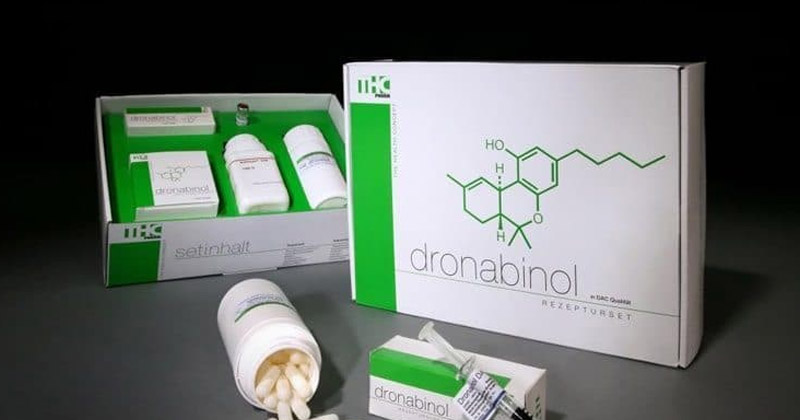
The legalization of cannabis in the United States still holds a few surprises. On the eve of Thanksgiving, the DEA announced classify a synthetic THC, dronabinol, as a Schedule II controlled substance, which recognizes the medical potential of synthetic THC and allows it to become a federally prescribed medication.
Natural THC, on the other hand, remains classified as a Schedule I substance, implying that it is potentially dangerous and has no medical value.
Only the form of dronabinol approved by the Food and Drug Administration (FDA), namely Syndros by Insys, the manufacturer of fentanyl, is classified under Schedule II. All other forms remain under Schedule I.
«It should be noted at the outset that any form of dronabinol other than the product approved by the FDA remains a Schedule I controlled substance, and those who handle such material remain subject to regulatory controls, as well as to criminal, civil, and administrative penalties applicable to Schedule I controlled substances as set forth in the CSA and DEA regulations.»
The usage restrictions also give Insys the right to set the price of the product for its THC brand, which can range from 1,000 to 20,001 TP4T per month.
The DEA has received numerous comments, which are available online, criticizing the hypocrisy of authorizing synthetic THC while keeping natural THC in the most restrictive category, or suggesting that pharmaceutical companies are more interested in their profits than in patients’ well-being.
Insys has recently been in the spotlight due to the opioid epidemic plaguing the United States. Its flagship drug, Fentanyl—a synthetic opioid painkiller—is accused of causing patients to become addicted and leading to numerous overdoses, including those of Prince and, more recently, Lil Peep. In 2016, more than 20,000 people are believed to have died in the United States from an overdose of fentanyl or one of its analogs.
Insys has also spent 500000$ to support the campaign against cannabis legalization in Arizona.
Insys is currently preparing a synthetic form of cannabidiol for use in treating children. This oral spray is currently undergoing clinical trials with the FDA.





CBD is said to promote athletic recovery, without improving performance

294 cannabis clubs in Chile: a booming movement with uneven distribution

Chronic Sciatica: New York Approves First Clinical Trial of a THC-Based Medication

United States: The DEA is accelerating the integration of medical cannabis at the federal level

Florida is nearing one million patients using medical cannabis

Uruguay Revives Its Plan to Allow Tourists to Legally Access Cannabis

In Brazil, researchers are developing an innovative CBD eye drop

Autism: Medical Cannabis Is Linked to Reduced Anxiety

The $28 billion U.S. hemp market remains under threat

Jamaica Eases Small Farmers' Access to the Cannabis Market
-
 Business5 days ago
The legal cannabis market in New York exceeds 4 billion $ in revenue
-
Cannabis and driving4 weeks ago
Cannabis and CBD: French Drivers Can Now Lose Their License Even Without a Positive Test Result
-

 Cannabis in France2 weeks ago
Which countries legalized medical cannabis before France?
-
Business2 weeks ago
South Korea is preparing to begin local production of medical cannabis to meet rising demand
-
Cannabis in the Netherlands4 weeks ago
One year after the launch of the Dutch cannabis experiment, the first trends are emerging
-
Cannabis in Thailand2 weeks ago
From the boom in dispensaries to a purely medical approach: Thailand is revising its cannabis policy
-
Cannabis in France4 weeks ago
French medical cannabis remains stalled at the Ministry of Health
-
Cannabis in Argentina3 weeks ago
Argentina Opens Its Market to Hemp Flowers Containing 1% of THC
















You must be logged in to post a comment Login