Texas House of Representatives approves expanded access to medical cannabis

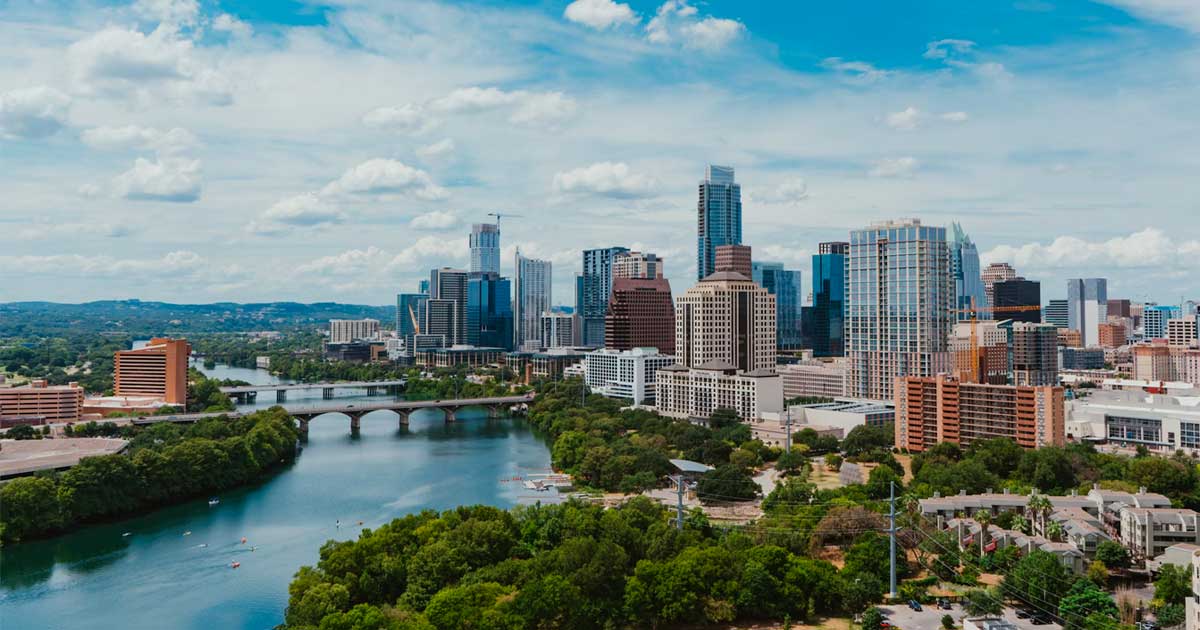
The Texas House of Representatives approved a proposal to extend the current limited programme of medical marijuana of the state. Supported by a bipartisan coalition, the bill 46 of the House of Representatives (HB 46) aims to remove the barriers faced by Texas patients seeking cannabis-based therapeutic products.
A more inclusive approach to medical cannabis in Texas
HB 46, a bill co-authored by the Ken King MP and Penny Morales Shaw, was adopted by an overwhelming majority of 118 votes to 16 in its second reading. The legislation aims to modernize and expand the Texas Compassionate Use Program (TCUP), initially enacted in 2015 to provide access to the low-THC cannabis for patients with epilepsy.
«In 2015, Texas passed the Compassionate Use Act, which gave epilepsy patients access to low-THC cannabis,» Congressman King said during the debate. «Since then, the program has been expanded to include other medical conditions, but Texans are still struggling to access the medicine they are legally entitled to receive.»
The bill proposes to considerably expand the list of eligible medical conditions. The new pathologies include chronic pain, the glaucoma, Crohn's disease, the traumatic brain injury, discopathy degenerative, spinal neuropathy and any terminal illness for patients receiving palliative or hospice care. In addition, the army veterans would be eligible for medical cannabis, whatever the specific diagnosis.
The Texas Department of State Health Services (DSHS) would also be empowered to add other conditions based on medical needs.
In addition to broadening eligibility, HB 46 also modernizes the forms of cannabis-based medicines available. Under the bill, patients would have legal access to patches, lotions, suppositories, approved inhalers, nebulizers and vaping devices. This is a significant change from the current program, which limits products to specific non-smokable formats with THC concentrations of 0.5 % or less by dry weight.
With regard to’dispensary infrastructure, the bill provides that the Department of Public Safety (DPS) issues medical cannabis dispensary license by public health region, for a total of 11 in Texas. Dispensaries could also apply to open satellite sites, This would remedy the chronic shortage of legal access points throughout the state.
A key amendment also allows physicians to determine the THC dosage based on medical judgment, eliminating the 1.2 gram possession limit and giving clinicians more control over patient treatment plans.
Public opinion seems to favor reform. According to recent polls, 80 % of Texas voters favor some form of cannabis legalization, with the majority calling for wider access and more flexible regulations.
HB 46 still needs a third reading in the House of Representatives before moving on to the Senate, where it may face greater opposition. Nevertheless, the momentum behind reform of medical cannabis in Texas is strong. If passed, this bill will mark the most significant overhaul of the state's medical cannabis policy in nearly a decade, bringing relief to thousands of patients previously left behind by the system.
























«Vincy Gold»: Humboldt Seed Company on the Hunt for Saint Vincent Sativas

Cronos Completes the Acquisition of CanAdelaar for 57.5 million euros

Cannabis with a "bloody" twist: Discover Sensi True Blood and Sensi Sangria, the two new strains from Sensi Seeds

Hemp: The Council of the EU Takes a Stand on New Production and Marketing Rules

Missouri's legal cannabis market accounts for 93 % of consumer spending

THC Gummies: How to Read a Certificate of Analysis Before Buying

British patients now have access to THCV-rich cannabis flowers

Spain: Medical Cannabis Is Coming to About 50 Hospitals

JIHE 2026: Japan’s Largest Trade Show Dedicated to Hemp and CBD Returns to Tokyo with More Than 100 Industry Players

New Caledonia: The Courts Clear the Way for the Return of CBD
-
 Business3 weeks ago
The legal cannabis market in New York exceeds 4 billion $ in revenue
-
Cannabis in France1 week ago
France already has 3,000 cannabis retail outlets. None of them are legal.
-
Cannabis in the U.S.1 week ago
A DEA report confirms that there are no fatal cannabis overdoses
-

 Cannabis and driving4 weeks ago
Medical Cannabis and Driving: New South Wales Ends Automatic Penalties for THC
-
Cannabis in France3 weeks ago
France’s Drug Policy Chief Defends Cannabis Prohibition... and Runs Into the Facts
-
Studies on cannabis2 weeks ago
Cannabis Oil and Endometriosis: A Promising Study for Pain Relief
-
CBD2 weeks ago
In Brazil, researchers are developing an innovative CBD eye drop
-
Autism4 weeks ago
Autism and Cannabis: Results from the First Placebo-Controlled Trial of NTI164
















You must be logged in to post a comment Login