
Scientists create CBD from a kitchen spice


A team of researchers from the’University of Nevada, Las Vegas has developed a new class of compounds similar to CBD, but without using the cannabis plant. Instead, scientists turned to an unexpected source: the caraway seeds, a spice commonly used in cooking—in breads, stews, and cheeses.
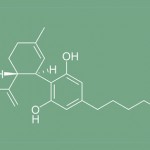
Posted in Neuropsychopharmacology, the study details how these researchers in psychology and neuroscience have genetically modified compounds derived from caraway to replicate the molecular structure of the cannabidiol (CBD). The result is a series of entirely synthetic cannabinoids—free of cannabis—that not only mimic the properties of CBD but may even surpass them in terms of effectiveness.
Promising results in the treatment of epilepsy
The preclinical trials conducted by the team have yielded remarkable results. According to the researchers, the CBD analogs derived from caraway have shown a greater ability to prevent seizures and reduce seizure-related deaths than natural CBD extracted from cannabis. Furthermore, these synthetic compounds appear to promote the development of brain cells, a crucial factor for patients with developmental or childhood epilepsy.
«These fully synthetic compounds, made from a safe, THC-free plant extract, have not only prevented seizures and reduced seizure-related deaths, but have also promoted healthier brain cell development, without the sedative effects of current treatments,» said Dustin Hines, a professor of neuroscience at UNLV and a co-author of the study.
Hines emphasized the particular importance of these findings for the epileptic disorders in children, which are often resistant to existing drugs.
«Childhood epilepsy is often resistant to available medications, and both seizures and current first-line treatments can seriously affect brain development, cognitive function, and quality of life, which makes this discovery particularly promising,» he said.
From Spices to Science
Caraway, also known as meadow cumin, contains molecular «scaffolds» that researchers have used as a basis for synthesizing CBD analogs.
The study, supported by the National Institutes of Health (NIH), showed that caraway-derived CBD reduced seizure-related mortality in adult mice and in models of developmental epilepsy.
Although the work is still in its early stages, the team considers this to be a significant step toward new treatment options for epilepsy and possibly other neurological disorders.
«The development of this new class of treatments is very promising for patients who have exhausted existing treatment options, whether due to debilitating side effects or a lack of response to currently available treatments,» said Adriana Carrillo, a UNLV student who co-authored the article.
Beyond Epidiolex: Expanding CBD-Based Medicine
Currently, the only prescription CBD-based medication approved for epilepsy is Epidiolex. The UNLV team’s discovery could pave the way for alternatives that circumvent the regulatory and agricultural challenges associated with cannabis cultivation.
«It is encouraging to help lay the groundwork for future treatment options that could one day offer families safer and more effective choices,» Ms. Carrillo added.
However, researchers point out that caraway seeds themselves do not contain CBD. As Ms. Carrillo pointed out, «Caraway seeds do not contain CBD on their own, so you shouldn’t expect to derive any benefits simply by consuming this spice, since the seeds contain only the structure necessary for its production.».
Other plants (in Brazil (recently) or yeasts have have already been used to synthesize CBD with no real commercial application at this time.

















Contest: Win a trip to Quebec to experience the hemp harvest firsthand

Bedrocan on Hold Amid Uncertainty Over Medical Cannabis

Newsweed Launches Its Own AI
A new tax of 0.5% could disrupt the hemp industry in Canada

Medical Cannabis and Driving: New South Wales Ends Automatic Penalties for THC

China's Yongji Health Takes Control of Tasmanian Botanics

Autism and Cannabis: Results from the First Placebo-Controlled Trial of NTI164

Which countries legalized medical cannabis before France?

From the boom in dispensaries to a purely medical approach: Thailand is revising its cannabis policy

South Korea is preparing to begin local production of medical cannabis to meet rising demand
-
 Cannabis and driving3 weeks ago
Cannabis and CBD: French Drivers Can Now Lose Their License Even Without a Positive Test Result
-

 Cannabis in France5 days ago
Which countries legalized medical cannabis before France?
-
Cannabis in France3 weeks ago
Cannabis Legalization: The LFI Bill Has a Major Problem—THC
-
Cannabis in the Netherlands2 weeks ago
One year after the launch of the Dutch cannabis experiment, the first trends are emerging
-
Business5 days ago
South Korea is preparing to begin local production of medical cannabis to meet rising demand
-
Cannabis in Argentina2 weeks ago
Argentina Opens Its Market to Hemp Flowers Containing 1% of THC
-
Cannabis in France2 weeks ago
French medical cannabis remains stalled at the Ministry of Health
-
Cannabis in Thailand5 days ago
From the boom in dispensaries to a purely medical approach: Thailand is revising its cannabis policy












You must be logged in to post a comment Login