Oregon reverses drug decriminalization, bill sent to governor

In a notable reversal of its progressive drug policy, Oregon is about to reverse its decriminalization of drugs to begin in 2020. This initiative, launched by state legislators, has sparked a controversial debate about the effectiveness of recriminalizing drug possession and its ramifications on the’access to treatment and on the criminal justice system.
A look back at progressive legislation
Oregon, known for its progressive stance on a variety of social issues, is now on the verge of backtracking on a landmark piece of legislation. The recent passage of House Bill 4002 marks the imminent end of the state's experiment in drug decriminalization.
The bill, which has bipartisan support, aims to reintroduce criminal penalties for the possession of certain drugs, including fentanyl, theheroin and the methamphetamine. In particular, it excludes cannabis, whose medical and recreational use remains legal in the state. This legislative maneuver has drawn criticism from proponents of decriminalization, who see it as a departure from the will of the voters and a regression to outdated, racially prejudiced anti-drug policies.
Supporters of the bill argue that it is essential to strike a balance between decriminalization and guaranteeing access to treatments and care necessary. Kate Lieber, Majority Leader of the Oregon Senate, emphasizes the importance of prioritizing processing resources to effectively combat drug addiction. However, as Senator Michael Dembrow points out, concerns remain about the potential pressure on the judicial system the State, which is already stretched to the limit.
While the intent behind Oregon's original drug decriminalization measure, Measure 110, was to address the drug use as a health issue, its implementation has been fraught with challenges. The slow implementation of risk reduction and an increase in the number of overdose deaths, attributed in particular to the fentanyl crisis, have highlighted the complexity of putting the policy into practice.
Bill 4002 proposes the criminalization of drug possession as an offence, which could lead to imprisonment and enable law enforcement agencies to crack down on public drug use. It also includes provisions for addiction treatment as an alternative to criminal sanctions, while leaving the counties plenty of room for manoeuvre.
The bill's critics argue that a return to punitive measures could exacerbate the situation. addiction and have a disproportionate impact on marginalized communities, in particular Black and Latinos. The haste with which the legislation was adopted without having been thoroughly examined by professionals medicine and addiction has raised concerns about its effectiveness and unintended consequences.
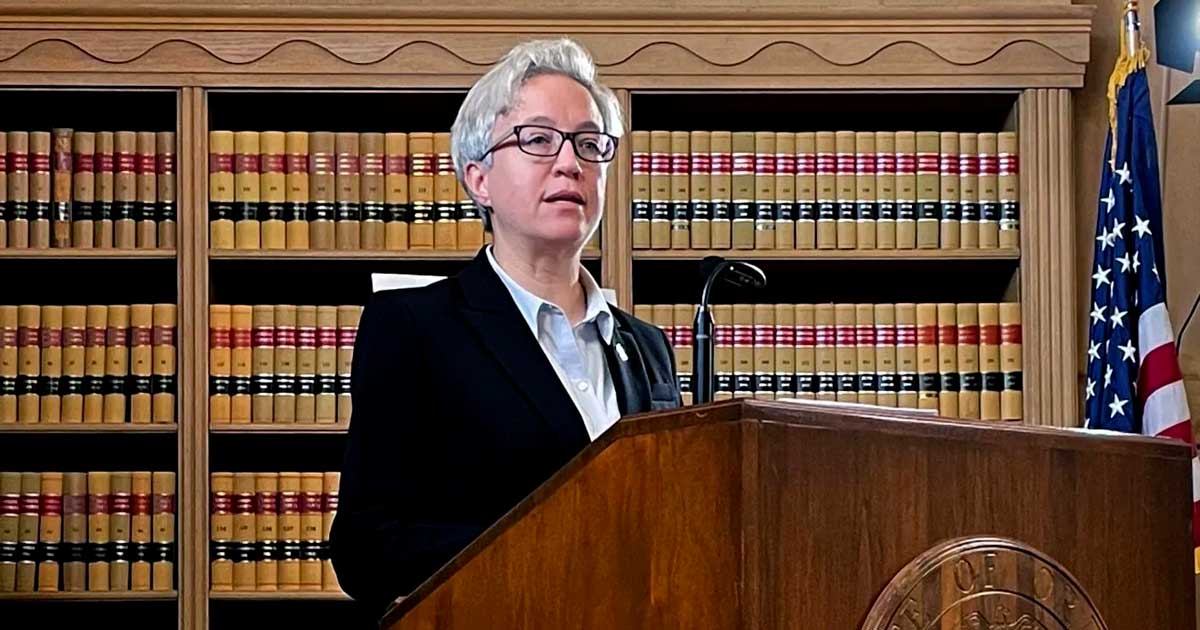
Oregon now awaits Governor Tina Kotek's decision on whether or not to sign the bill.






















«Vincy Gold»: Humboldt Seed Company on the Hunt for Saint Vincent Sativas

Cronos Completes the Acquisition of CanAdelaar for 57.5 million euros

Cannabis with a "bloody" twist: Discover Sensi True Blood and Sensi Sangria, the two new strains from Sensi Seeds

Hemp: The Council of the EU Takes a Stand on New Production and Marketing Rules

Missouri's legal cannabis market accounts for 93 % of consumer spending

THC Gummies: How to Read a Certificate of Analysis Before Buying

British patients now have access to THCV-rich cannabis flowers

Spain: Medical Cannabis Is Coming to About 50 Hospitals

JIHE 2026: Japan’s Largest Trade Show Dedicated to Hemp and CBD Returns to Tokyo with More Than 100 Industry Players

New Caledonia: The Courts Clear the Way for the Return of CBD
-
 Business3 weeks ago
The legal cannabis market in New York exceeds 4 billion $ in revenue
-

 Cannabis in France4 weeks ago
Which countries legalized medical cannabis before France?
-
Cannabis in France1 week ago
France already has 3,000 cannabis retail outlets. None of them are legal.
-
Business4 weeks ago
South Korea is preparing to begin local production of medical cannabis to meet rising demand
-
Cannabis in the U.S.1 week ago
A DEA report confirms that there are no fatal cannabis overdoses
-
Cannabis in Thailand4 weeks ago
From the boom in dispensaries to a purely medical approach: Thailand is revising its cannabis policy
-
Cannabis and driving4 weeks ago
Medical Cannabis and Driving: New South Wales Ends Automatic Penalties for THC
-
Cannabis in France3 weeks ago
France’s Drug Policy Chief Defends Cannabis Prohibition... and Runs Into the Facts

















You must be logged in to post a comment Login